

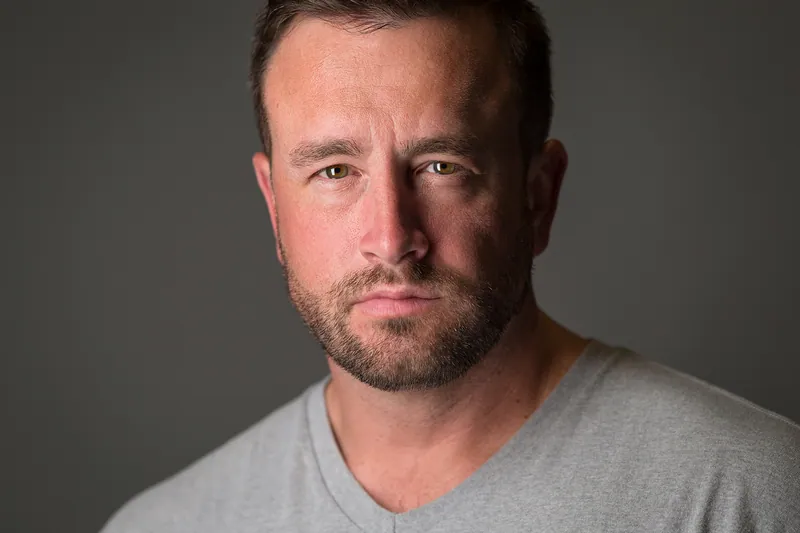
 By Joe Sale · Photographer & fine artist · Reviewed and updated October 2026
Typing product photographer near me into a search bar usually means you have something in your hands that deserves better pictures than a phone can make. Joe Sale is a Tampa Bay photographer and fine artist who lights bottles, plates, gadgets, apparel and packaging so the details read clearly at thumbnail size and still hold up when printed large.
You can bring your goods to his studio in the Tampa Bay area, or Joe can pack lights and come to your kitchen, warehouse, boutique or tasting room. This page explains how he thinks about light, surfaces, styling and delivery, so you know what a session looks like before you book.
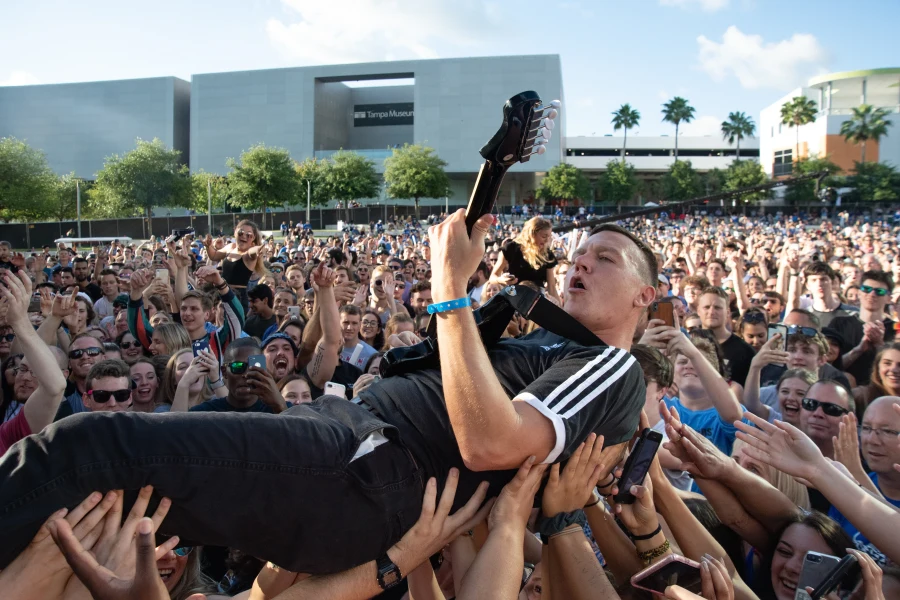
Joe's eye comes from photographing everything from festival main stages to the Sunshine Skyway from the air, so he treats a jar of hot sauce with the same care he gives a skyline. The difference shows in how the light wraps around the object.
A good product photographer near me in Tampa Bay should handle controlled studio lighting and real, in-context scenes. Joe Sale photographs products in his studio or on location across Hillsborough, Pinellas and Pasco, hand retouches every hero frame, and delivers a private gallery sized for web, social and print. Book through /book/ or text 813-417-2626.
Why Local Matters When You Search Product Photographer Near Me
Shipping a box of samples to a distant studio works for some brands, but it removes you from the room. When the person behind the camera is a short drive away, you can stand beside the monitor, swap a cap that scuffed in transit, or run back to the shop for the matte version of a label. Those small decisions are what separate a usable catalog from one you have to redo.
Joe works from his own studio in the Tampa Bay area and travels to businesses in Tampa, St. Petersburg, Clearwater, Brandon, Riverview, Wesley Chapel, Lutz, Largo and Dunedin. Restaurants, makers, hospitality groups and product startups often prefer the on-location route because the setting itself becomes part of the story: the bar top, the prep line, the shelf where customers actually meet the item.
If your product needs a clean, repeatable look, the studio is usually the better call. If it needs atmosphere, Joe brings the light to you. Plenty of clients split the day and get both.
Distance also affects reshoots. Labels change, a supplier swaps a bottle shape, a new flavor launches in March. A product photographer near me who still has your lighting notes can recreate the setup on short notice, so the new item drops into the same grid as the old ones without looking out of place. That kind of continuity is hard to get from a studio three states away.
There is a practical side as well. Fragile, perishable or oversized items do not travel well. Fresh pastries, cut flowers, a hand-built dining table or a display case full of chilled seafood are far easier to photograph where they already are, with a photographer who can be there by mid-morning.
Three Kinds of Product Images and When Each One Earns Its Place
Before any lights go up, it helps to name which job each photo has to do. Most product sets fall into three families, and a smart session plans for all of them instead of shooting everything the same way.
| Image type | What it shows | Where it works hardest |
|---|---|---|
| Clean studio frame | The item alone on a seamless or simple surface, shape and color accurate | Online store listings, line sheets, wholesale decks |
| Detail and texture | Stitching, pour, grain, engraving, the cap mechanism | Product page carousels, close-up social posts |
| In-context lifestyle | The product being used, plated, worn or displayed in a real place | Ads, homepage banners, menus, press kits |
A mix keeps your brand from looking like a parts catalog or, at the other extreme, a mood board with no clear view of what someone is buying. Joe will suggest a ratio based on where the images will live.
Planning for crops before the shutter fires
Marketplaces, social feeds and website templates all crop differently. A tall bottle centered for a square tile may lose its cap in a wide banner. Joe composes the hero frame with breathing room on every side, then shoots tighter variations, so your designer can cut vertical stories, horizontal headers and square listings from a set that was built for it.
If you already have a website theme or an ad template, send screenshots during planning. Knowing that a headline will sit across the left third of a banner changes where the product should land.
How Joe Lights a Product So It Reads Clearly
Products are unforgiving. Glass shows every reflection, black plastic swallows detail, and polished metal mirrors the whole room including the photographer. Lighting is where most of the craft lives.
Shape and edges
Long, soft highlights along the side of a bottle tell the eye it is round. Joe builds those with large modifiers and flags, then adds a thin rim of light so dark items separate from a dark background.
Sharpness front to back
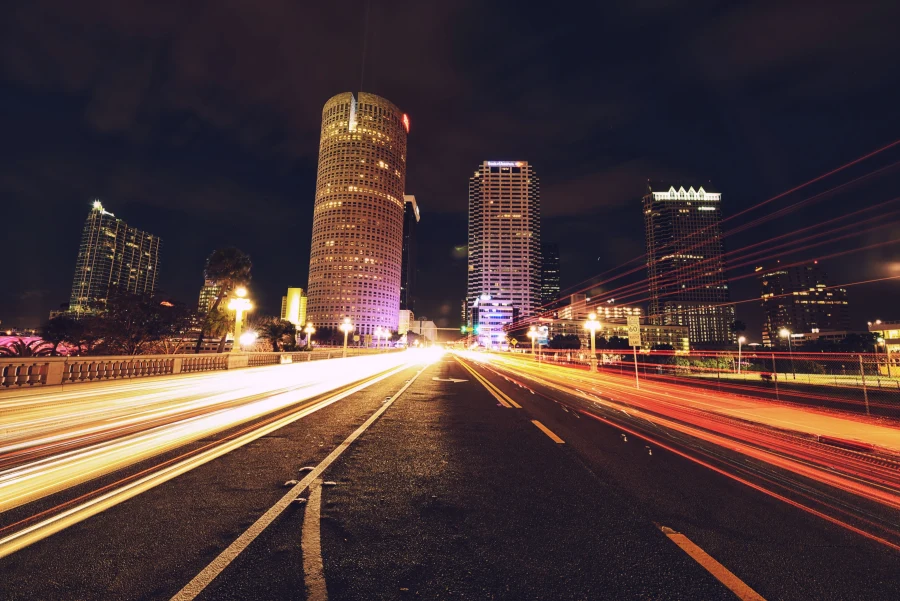
Small objects have shallow depth of field even at moderate apertures. Joe stops down and, when a piece needs it, combines several frames focused at different distances so the label and the logo are both crisp. It is the same frame-stacking patience he uses for his long-exposure light trails of downtown Tampa, applied to a tabletop.
Glass and true color
The 105mm f/2.8 macro is a favorite for jewelry, watch faces, embossing and food texture. Color is checked against the real item on set, because a sneaker that arrives in a slightly different red than the listing shows generates returns.
Matching the lens to the object
A longer lens, like the 85mm f/1.4 or the 70-200mm f/2.8, flattens perspective so boxes keep straight sides and a row of cans does not bow outward. Wider glass such as the 24-70mm f/2.8 is saved for scenes where the room matters as much as the item. These are the same Nikon lenses Joe carries to concerts and portrait sessions, chosen here for how they draw shape rather than for speed.
Styling, Surfaces and Props Without Clutter
The background is never neutral. A slab of marble says something different from weathered wood, a brushed steel prep table or a sheet of colored paper. Joe helps you choose surfaces that match your brand voice without stealing attention from the item.
- Food and drink: real ingredients, a drip on the glass, garnish placed with tweezers, steam or condensation timed for the frame.
- Beauty and skincare: textures smeared on acrylic, water droplets, packaging grouped by line so the family resemblance shows.
- Apparel and accessories: flat lays, hanging shots and on-body frames, with lint rolling and steaming done before the shutter fires.
- Hard goods and tech: hands interacting with the device so scale is obvious, ports and buttons lit so they read.
Props should support the story, not crowd it. A useful test: if you can describe why an object is in the frame in one short sentence, it stays. Otherwise it goes back in the bin.
Color is the other half of styling. A pale pink candle disappears against a blush backdrop, while the same candle against a deep green linen suddenly glows. Joe will often test two or three surface options with a single unit before committing, because it takes seconds on set and saves you from a whole catalog that feels washed out.
For brands with an established palette, bring your hex codes or printed swatches. Matching backgrounds to brand colors makes a product page feel designed rather than assembled from parts.
Good local references while you plan: the Hillsborough County website covers parks, public spaces and event calendars in Tampa Bay, and Joe watches the National Weather Service Tampa Bay forecast to time outdoor sessions around summer storms and the best light.
From Kitchen to Shelf: On-Location Product Sessions
Restaurant and hospitality clients are where Joe's on-location product work shines. A cocktail photographed on the actual bar, with the back shelf glowing softly behind it, sells the experience along with the drink. A plate shot on the pass while the line is moving carries energy that a studio table never will.
For these sessions Joe arrives early, walks the space, and finds where window light helps and where it fights the overhead fixtures. He brings strobes to fill shadows so dishes look appetizing rather than yellow. Many restaurant days also include staff portraits and room interiors, which is why they often overlap with brand and commercial photography more broadly.
Retail boutiques and makers get a similar treatment: products on their real fixtures, the storefront details, the hands that build or pour or sew. Those frames become the backbone of an about page and a season of social posts.
Timing matters on location. Restaurants are easiest before service or during a slow afternoon, when the kitchen can plate dishes one at a time for the camera. Boutiques often prefer early mornings before doors open. Tell Joe your quiet hours during the planning call and he will build the schedule around them, so the shoot never eats into a busy lunch.
Natural light in Tampa Bay also shifts fast. Afternoon sun through west-facing windows can be gorgeous for ten minutes and harsh for an hour. Joe watches it and moves product to whichever spot looks best, using his own lights to keep the set consistent when the sky changes.
A Product Photographer Near Me Who Also Flies and Films
Some products only make sense in their environment. A boat accessory belongs on the water. A resort amenity belongs by the pool. A real estate listing is, in a sense, a product too. Joe's toolkit goes beyond the tabletop.
- Aerial context. His DJI drone shoots stills and 4K video, so a rooftop bar or waterfront venue can be shown from above. Commercial drone work in the US falls under FAA Part 107 rules, and Joe plans flights around airspace and weather. See aerial and drone photography.
- Model and lifestyle frames. Products worn or used by people come from the same eye that handles his fashion and beauty work, so skin, fabric and product all look right together.
- Founder and team portraits. Brands sell better with faces attached. Pair your product session with headshots and personal branding for the people behind it.
Asking a product photographer near me to cover all of this in one day saves you from coordinating three vendors and three different looks.
Video is worth a thought, too. Short 4K clips of a pour, a reveal or a slow pass over a product line make strong social content and website headers. Ask during planning which moments deserve motion and which are better as stills, and the shot plan will include both.
How a Session Runs, Start to Gallery
If you are reading this as a first-time client, the process is simpler than it might sound. Every project begins with a planning call. You share what you sell, where the photos will appear, and any examples you like or dislike. Joe asks about sizes and crops up front, because a square social tile and a wide website banner need different composition from the same shot.
- Prep list. You receive guidance on how many units to bring, cleaning, labels to check and props worth gathering.
- Set build. Surfaces, lights and the hero angle are locked before the first full product goes down.
- Shooting with you watching. Frames come up on screen as they are made, so you can approve the look early and adjust angles.
- Retouching by hand. Dust, scratches and seams are cleaned; reflections are refined; colors are matched to the real piece.
- Delivery. Finished images arrive in a private online gallery with files sized for web, social and print.
When you are ready, go to the booking page and pick a time for that first call.
What you can approve on set
Because frames appear on a screen as they are made, you decide in the moment whether a label is straight, whether the garnish looks fresh and whether the background color matches your packaging. Catching those details live is far quicker than spotting them after delivery. It is also the moment to ask for an alternate angle or a tighter crop while the set is still standing.
What happens after
Once you have picked favorites, retouching focuses on what the camera cannot fix: a hairline scratch on chrome, a fleck of dust on a dark bottle, a seam in a backdrop. The aim is a clean product that still looks real, with natural texture left on wood, leather, fabric and food.
Getting the Most From Your Product Photographer Near Me
A little preparation on your side turns a good session into a great one. Bring more units than you think you need, since one might have a dent you only notice under hard light. Peel protective films at the last minute. Tell Joe about upcoming launches so he can leave space in compositions for text overlays.
Keep a simple folder of the products you plan to launch next. When the product photographer near me you trust already knows your brand, adding one or two new items can happen alongside another project instead of needing a full session of their own.
Think past this month, too. If you plan seasonal drops, ask for a lighting setup that can be recreated so next spring's catalog matches this fall's. Consistency is what makes a brand look established.
Finally, look at real examples of how Joe sees. His portfolio of recent work includes everything from concerts to skyline panoramas, and the same attention to light runs through all of it. If you also want art for your shop walls, his fine art prints of Tampa Bay are available. Business owners in Pinellas often start at the St. Petersburg commercial photographer page, while Hillsborough brands can read about the Tampa product photographer sessions and the wider Tampa Bay photographer overview.
Product Photographer Near Me: Frequently Asked Questions
How do I choose a product photographer near me?
Look at how they handle reflective, dark and textured items, not just pretty lifestyle shots. Ask whether they shoot both in a studio and on location, if you can watch frames come up during the session, and how retouching is handled. A local photographer like Joe Sale in Tampa Bay lets you be on set and fix problems in real time.
Should product photos be shot in a studio or on location?
It depends on the job. Studio sessions give clean, consistent images for store listings and catalogs. On-location sessions place the item in a real kitchen, bar, boutique or outdoor setting, which works better for ads and social. Many Tampa Bay brands book a mix, and Joe can plan the day so both styles share the same look.
What should I bring to a product photo shoot?
Bring extra units of each item, clean and free of scratches, plus any packaging, labels or accessories that should appear. Gather a few props that fit your brand and examples of images you admire. Joe sends a prep list after the planning call so nothing important is forgotten on the day.
Can a product photographer also shoot food for my restaurant?
Yes. Food and drink are products, and Joe photographs restaurants and hospitality spaces across Tampa Bay. He lights plates and cocktails on location, often on the real bar or pass, and can add staff portraits and interior views in the same visit so your menu, website and social channels share one consistent style.
How are product photos delivered?
Finished images are hand retouched for dust, scratches and color accuracy, then delivered in a private online gallery. Files come sized for websites, social media and print, so you can upload listings and send images to a printer without resizing anything yourself. Book a planning call through the booking page to start.
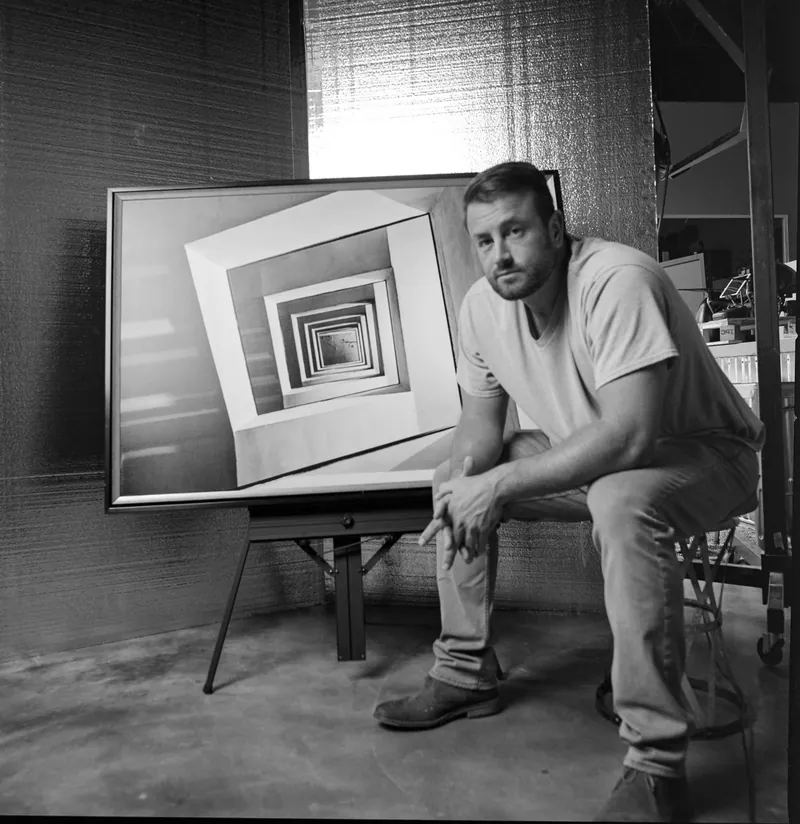
About Joe SaleJoe is a Tampa Bay photographer and fine artist who shoots portraits, live music, brands and the city itself. See more on the about page, browse the portfolio or book a shoot.