
 By Joe Sale · Photographer & fine artist · Reviewed and updated October 2026
A Tampa product photographer has one job that sounds simple: make someone who has never touched your product understand how it looks, feels and fits into their life. Joe Sale does that with controlled studio lighting for clean, detailed frames and with lifestyle shoots around Tampa that put the product in context.
Based in Tampa Bay, Joe works as both a photographer and a fine artist, and he handles brand and commercial photography for restaurants, hospitality groups, makers and growing brands. Below you will find what to expect from a Tampa product photographer session: how he lights different materials, how he plans a shot list, where in Tampa lifestyle frames come together and how to book a product shoot.
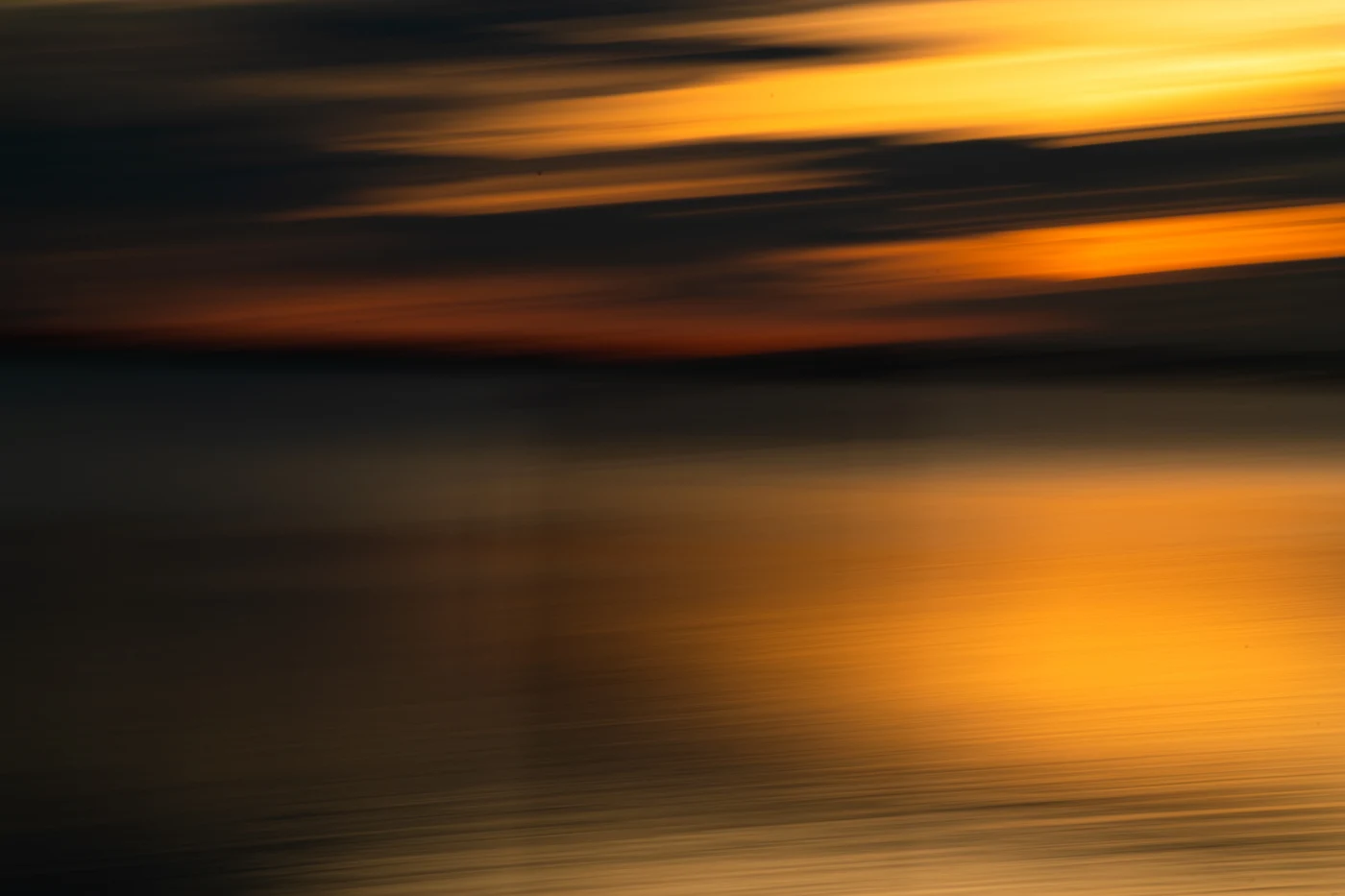
A good Tampa product photographer combines studio lighting that reveals texture and true color with on location lifestyle images that show the product in use. Joe Sale photographs products, food and hospitality spaces for Tampa brands, plans each shoot from a shot list, and delivers images sized for web, social and print.
Every Product Photo Has a Job to Do
Before any light gets switched on, Joe asks where the images will live. A product page, a menu, a pitch deck, an Instagram grid and a printed catalog all ask different things of the same object.
| Where it appears | What the image must do |
|---|---|
| Online store | Show shape, scale, color and detail clearly from several angles |
| Social media | Stop the scroll, often in a vertical crop, with mood and context |
| Menus and delivery apps | Make food look fresh and generous at a small size |
| Print and packaging | Hold up at large sizes with crisp edges and accurate color |
| Website hero banners | Leave room for text while still telling the brand story |
Knowing the destination changes the shoot. Banner images need negative space on one side. Social crops need the product centered high in the frame. Print work needs every edge sharp. A Tampa product photographer who plans around those uses saves you from cropping a great image into an unusable one later.
It also changes how many frames you actually need. A small maker launching three candles may only need a dozen strong images. A restaurant refreshing its whole menu may need fifty plates plus the dining room. Joe sizes the shoot to the real use, so you are not paying in time for images that will never run. That is the difference between hiring a Tampa product photographer as a vendor and hiring one as a planning partner.
Lighting by Material: How a Tampa Product Photographer Solves Tricky Surfaces
Products are not people. They do not move, but they reflect, absorb and refract light in ways that can wreck an image. Joe lights each material differently.
Glass and bottles
Spirits, sauces, candles and skincare in glass need light that traces their edges. Joe uses large, soft sources placed behind or beside the bottle so the outline glows and the label stays readable, without a hot spot burning through the middle.
Metal and polished surfaces
Chrome, stainless and jewelry act like mirrors. They reflect the room, the photographer and the lights. Joe controls what the surface sees, often with broad white or black panels, so the reflection describes the shape instead of distracting from it.
Fabric and leather
Textiles and leather goods sell on texture. Low angled light skims across the surface and pulls out the weave, the grain and the stitching. The 105mm f/2.8 lets Joe get close enough to show a seam in detail.
Food and drinks
Food needs to look fresh, warm and real. Joe favors directional light that mimics a window, which brings out steam, glaze and the crunch of a crust, and shoots quickly so nothing wilts under the lights.
Clear and white products
White sneakers, clear acrylic and frosted packaging are deceptively hard. Overexpose them and the detail vanishes; underexpose them and they look gray. Joe exposes for the brightest part of the product, then adds fill to recover the shadows, which keeps whites clean without losing their edges.
Each of these problems has a dozen possible fixes. What matters is that your Tampa product photographer recognizes the problem before the first frame, rather than trying to repair it in editing afterward.
Some products combine several of these challenges at once. A perfume bottle can have a glass body, a metal cap and a printed box in the same frame. In those cases Joe builds the light in layers, solving the most reflective surface first and then adjusting for the rest, until each material reads the way it does in your hand.
Studio Frames vs. Lifestyle Frames
Most brands need both kinds of images, and each does a different job.
Studio product frames are about clarity. In Joe's Tampa Bay studio, strobes give consistent, repeatable light, so a full line of products looks like it belongs together. Under strobes Joe typically works at a low ISO, around 100, with an aperture near f/9 so the product stays sharp from front edge to back. Background, shadow and angle stay steady from one item to the next.
Lifestyle frames are about context. A cooler on a boat dock, a hot sauce next to a plate of wings, a candle glowing on a bedside table, a pair of sunglasses on a beach towel. These images answer the question buyers actually ask: what will this be like in my life?
A Tampa product photographer can blend both approaches in one project. Joe often starts in the studio, where the core catalog images are made, then moves to a location for a smaller set of lifestyle frames with people, props and real light. The result is a library you can use across your whole marketing calendar.
Consistency across time matters too. Brands add products every season, and new items need to sit next to the old ones on a store page without looking out of place. Because studio light is repeatable, a follow up shoot months later can match the original angle, background and shadow, which keeps a growing catalog looking like one family.

Tampa Settings That Sell a Product
Location gives a product a story. Tampa has settings that say Florida without shouting it.
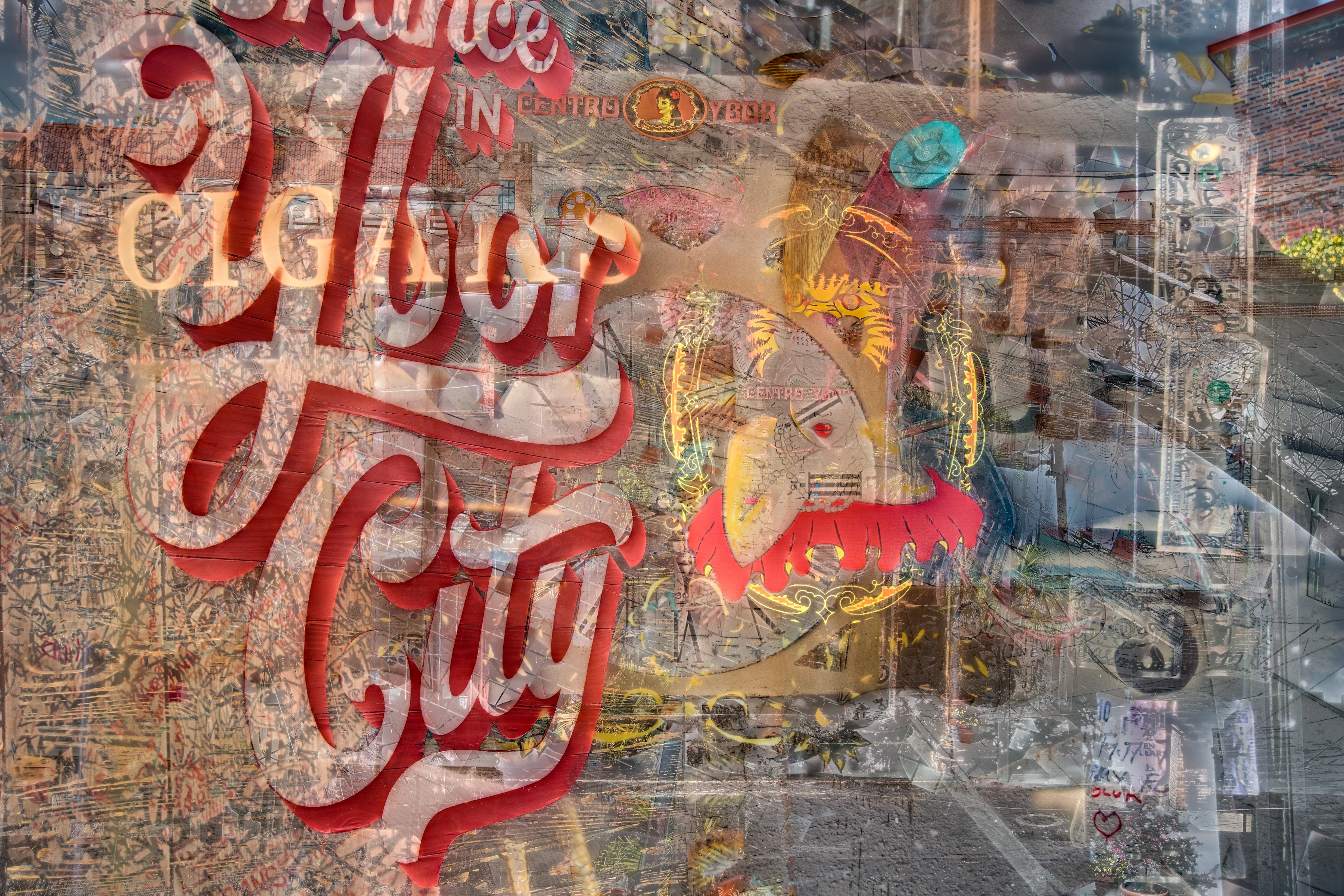
- Ybor City: brick walls, wrought iron balconies and neon signs suit spirits, cigars, apparel and anything with an edge. Joe knows the neighborhood well from his multiple exposure art blending Ybor neon, murals and roosters.
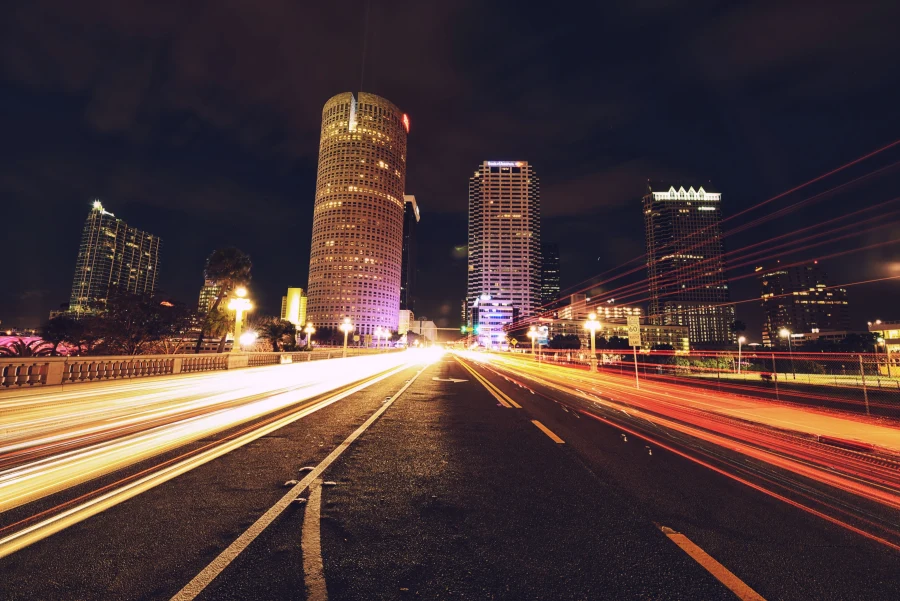
- The Tampa Riverwalk: modern architecture, the Hillsborough River and the downtown skyline suit tech, fitness and urban lifestyle brands.
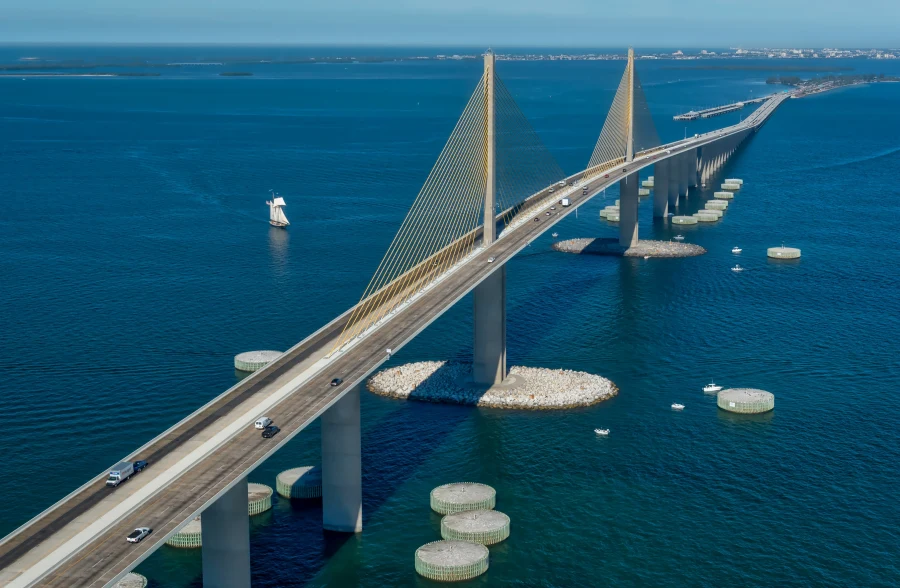
- Bayshore Boulevard and the bay: open water and long sightlines for boating, outdoor and wellness products.
- Seminole Heights and South Tampa: bungalows, porches and leafy streets for home goods and family brands.
- Your own space: a taproom, a kitchen, a showroom or a workshop is often the most honest backdrop of all.
Joe thinks about the light before committing to an outdoor location, because the same sidewalk can look gorgeous at five in the evening and flat at noon. For more on downtown settings, see downtown Tampa and Riverwalk photo shoots and the Ybor City photographer page.
Tampa's weather is part of the plan for any outdoor product shoot. Summer afternoons often bring storms, so Joe tends to schedule lifestyle sessions in the morning or early evening, with an indoor alternative ready. Bright midday sun creates hard shadows on products, which can work for a bold beverage ad but rarely flatters jewelry or skincare. A Tampa product photographer who knows the local light will steer you to the right hour for the look you want.
Props should support the product, not compete with it. A few natural materials, like a cypress plank, a linen napkin, a scatter of citrus or a coil of rope from a dock, can suggest Tampa Bay without turning the frame into a postcard. Bring anything that already appears in your brand photos so the new images sit comfortably beside the old ones, and let your Tampa product photographer edit the pile down on the day.
Good local references while you plan: the City of Tampa website covers parks, public spaces and event calendars in Tampa, and Joe watches the National Weather Service Tampa Bay forecast to time outdoor sessions around summer storms and the best light.
Restaurants, Bars and Hospitality
For Tampa restaurants, the product is the plate, the cocktail and the room. Joe photographs all three.
Food shoots usually happen during a quiet window at the restaurant, before service or on a slow afternoon. The kitchen prepares each dish, Joe lights it on a table near natural light or with a soft strobe that mimics it, and the dish goes back for the next one. Cocktails get backlit so the color and the ice glow.
Interior and exterior images show guests what the space feels like: the bar at golden hour, the patio strung with lights, the private dining room set for an event. Those photos power reservation pages, event inquiries and social posts. For a waterfront venue, a short drone flight with Joe's DJI drone can add 4K aerial footage and stills showing the dock, the water and the view, planned around FAA Part 107 rules, airspace and weather.
Staff and chef portraits round out the set. A friendly image of the people behind the food builds trust, and it uses the same skills Joe brings to headshots and personal branding.
Hospitality clients also tend to need images for seasonal menus, special events and new openings. Planning a few shoots across the year keeps your feed and website fresh, and it means the photos match what guests actually find on the table when they arrive.
Bars and breweries bring their own look. Low, warm interior light gives a room its atmosphere, but it can turn drinks muddy on camera. Joe balances the ambient glow with subtle added light so the room still feels like evening while the glass in front of the lens stays crisp and colorful. The same approach works for hotel lobbies and rooftop lounges where guests come for the mood.
Building the Shot List With Your Tampa Product Photographer
A product shoot runs well when the plan is written down. Joe builds a shot list with you on the planning call, and it usually covers:
- The product list. Every item, color variant and size you need photographed.
- Angles per item. Front, three quarter, back, top down, detail and scale shots.
- Crops and ratios. Square, vertical and horizontal versions for each channel.
- Lifestyle scenes. Settings, props, models and moods for the context images.
- Brand guardrails. Colors, fonts on packaging, logos and anything that must or must not appear.
- Who supplies what. Product samples, props, food prep, models and location access.
Send clean, unscratched samples whenever possible. Dust, fingerprints and creased labels show up in close detail frames, and while hand retouching can fix small flaws, starting with a perfect sample always looks better. For food, plan to prepare a few extra portions so the best one makes the frame.
Models and hands deserve a mention. Many products only make sense in use: a watch on a wrist, a mug held with both hands, a bag over a shoulder. Joe can direct people in frame, drawing on his fashion, beauty and portfolio work, so hands look relaxed and the product stays the hero. If you have staff or customers who fit the brand, they often make the most believable models. Joe's fashion and beauty work shows how he handles people on camera.
Gear and Craft Behind the Images
Joe shoots on professional Nikon bodies, including the D5, D6 and D750, with lenses chosen for each kind of frame. The 105mm f/2.8 and 180mm f/2.8 handle detail and compression for product work. The 24-70mm f/2.8 covers lifestyle scenes and room interiors. The 58mm f/1.4 and 85mm f/1.4 give soft backgrounds when the product sits with a person.
Craft matters as much as gear. Joe's own art leans on long exposure and multiple exposure work, stacking many frames into light trails over downtown Tampa and dragging the shutter over Gulf sunsets. That patience with light carries over to product work, where a single bottle might need several lighting passes to look right.
Every final image is retouched by hand. Joe removes dust and small blemishes, cleans up edges and balances color to match the real product, because a customer who receives a different shade than the photo promised becomes a return.
Color accuracy deserves extra care. During editing Joe balances each image so a navy shirt stays navy and a coral label stays coral across the whole set. For brands with strict color standards, bring a physical sample of the key shade so the final files can be checked side by side with the real thing.
Booking a Tampa Product Photographer
When you are ready, use the booking page or text Joe at 813-417-2626. Share what the product is, how many items, where the images will run and any lifestyle ideas you have. Joe will set up a planning call to build the shot list and pick studio, location or both.
Images are delivered in a private online gallery sized for web, social and print. For a wider view of Joe's commercial work, see commercial photography in Tampa, the regional product photographer near me guide, and St. Petersburg commercial photography. Joe's full portfolio lives on the work page, and his broader Tampa work is on the photographer in Tampa page.
If you are not sure where to start, begin with your most important product and one channel. A focused first shoot with a Tampa product photographer often reveals what your brand needs next, whether that is a larger catalog session, a lifestyle campaign around Tampa or a restaurant menu refresh. A short planning call is the easiest first step, and Joe's fine art prints show the same attention to light and color that goes into every product frame.
Tampa Product Photographer: Frequently Asked Questions
What does a product photographer do?
A product photographer plans, lights and photographs items so customers understand their shape, color, texture and scale. That includes clean studio frames for online stores and catalogs, plus lifestyle images that show the product in use. Joe Sale also handles shot lists, styling guidance and hand retouching, then delivers images sized for web, social and print.
Should I choose studio or lifestyle product photos?
Most brands benefit from both. Studio frames give consistent, accurate images for product pages and catalogs. Lifestyle frames show the product in a real setting, which helps on social media, ads and your homepage. Joe often starts in his Tampa Bay studio for the core set, then moves to a location for a smaller group of context images.
How should I prepare products for a photo shoot?
Send clean, undamaged samples with labels straight and packaging free of creases. Bring every color and size variant you want shown, plus any props that fit your brand. For food, prepare extra portions so the best one can be photographed. Share a shot list or let Joe build one with you during the planning call.
Can you photograph food and drinks for my Tampa restaurant?
Yes. Joe photographs dishes, cocktails, interiors, patios and staff for restaurants and hospitality groups. Shoots usually happen in a quiet window before service so the kitchen can plate each dish fresh. For waterfront venues, drone stills and 4K video can show the setting, planned around airspace, weather and FAA Part 107 rules.
Do product photos need retouching?
Nearly always. Even clean samples pick up dust, fingerprints and tiny scratches that show in close frames. Joe retouches each final image by hand, removing those flaws, cleaning edges and matching color to the real product. He does not change what the product is, because accurate images help customers trust what they buy.
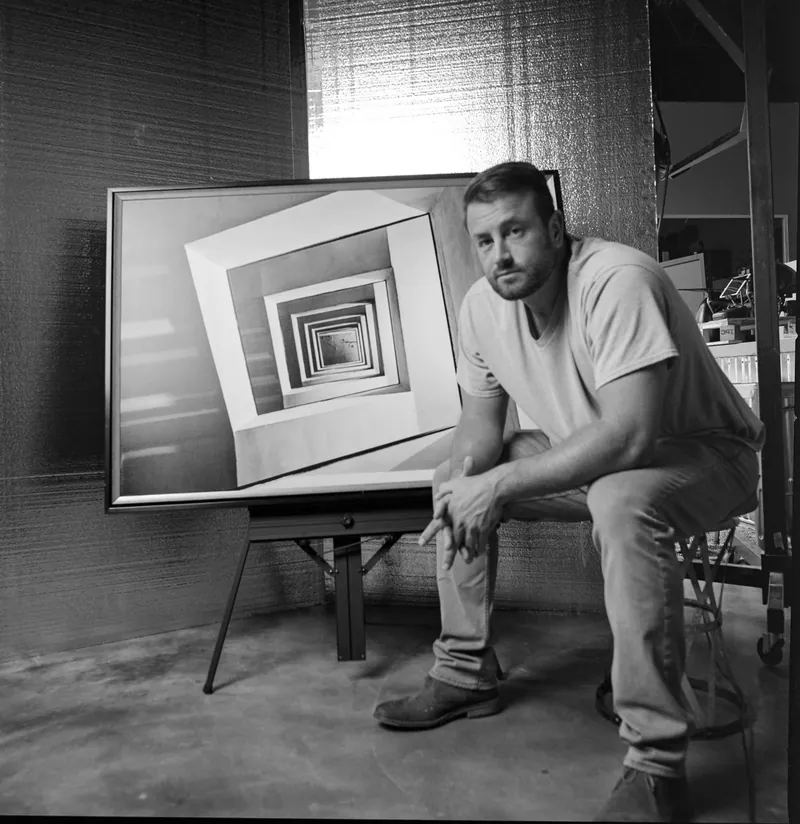
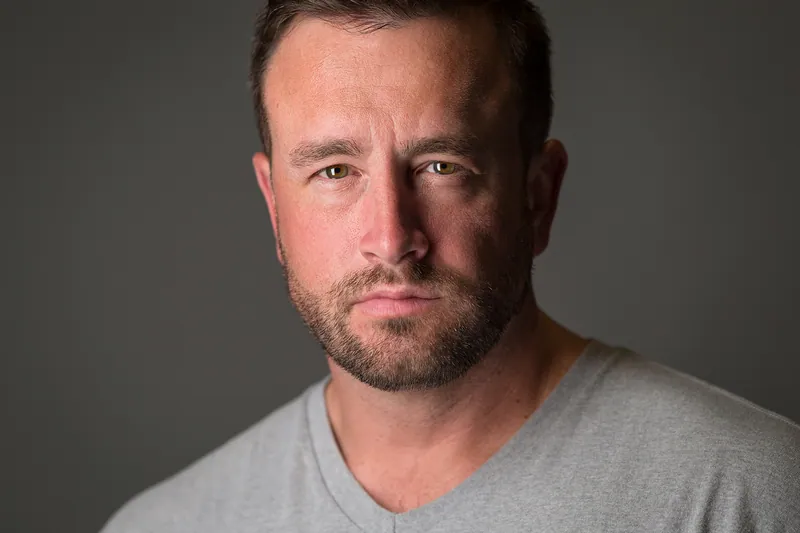
About Joe SaleJoe is a Tampa Bay photographer and fine artist who shoots portraits, live music, brands and the city itself. See more on the about page, browse the portfolio or book a shoot.