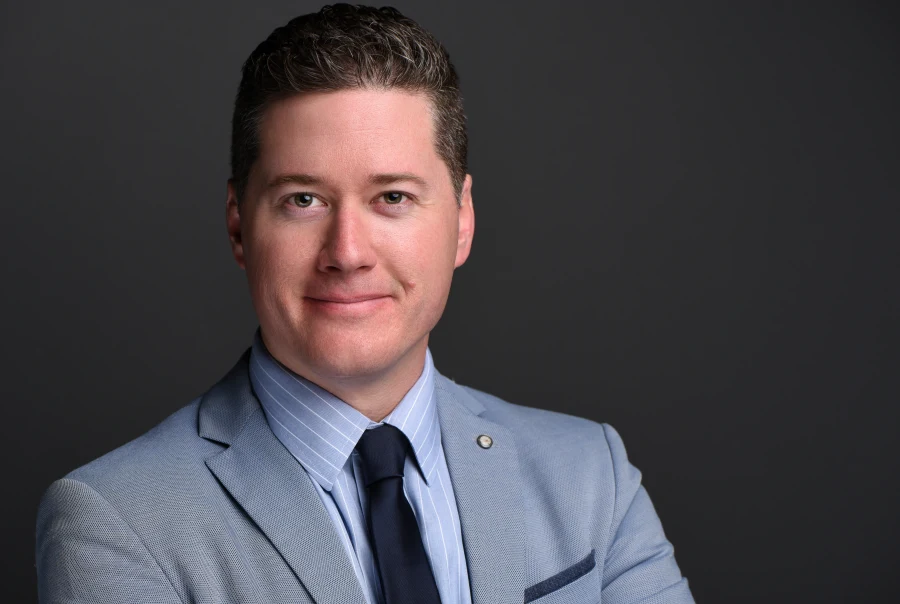
 By Joe Sale · Photographer & fine artist · Reviewed and updated October 2026
When you type professional photographer Tampa Bay or photographer near me into a search bar, you get a wall of names, a map full of pins and portfolios that all look polished at thumbnail size. Sorting them out is hard, because the difference between an enthusiast and a working professional rarely shows in a single highlight image. It shows in process, consistency and how the photographer handles the day when the light, the weather or the schedule goes sideways.
This guide is written by and about Joe Sale, a Tampa Bay photographer and fine artist, but most of it applies to anyone you are considering. Use it to ask better questions, then schedule a planning call if Joe looks like the right fit.
A professional photographer delivers consistent, well lit, carefully edited images in any conditions, plans the session with you beforehand, and delivers files sized for how you will use them. In Tampa Bay, Joe Sale offers that across headshots, team portraits, events, fashion, couples and family, brand and commercial work, and drone aerials.
What Professional Really Means Behind the Camera
Almost anyone can make a good photo on a good day. The word professional is about what happens on the other days. Here are the signs that separate a career photographer from a talented hobbyist.
- Repeatable results. The fifth headshot of the morning looks as good as the first, and next year's new hire matches this year's team page.
- Command of light. Studio strobes, harsh noon sun, a dark ballroom and a blue hour skyline all handled without panic.
- A real process. Planning, guidance, a clear session flow and a defined way of delivering files.
- Restrained editing. Retouching that removes distractions while keeping skin texture and true color.
- Proper tools. Professional bodies and lenses chosen for the job, plus backups.
- Clear communication. You know what will happen, when and where, before the day arrives.
None of those show up in a single portfolio image. You discover them by asking questions and by looking at how a photographer talks about the work.
Professional is also a mindset
The best working photographers think like problem solvers. They ask what the picture has to accomplish, whether that is landing a job interview, filling a restaurant on a Tuesday or selling a waterfront listing. Then they work backward to the light, location and lens that will get it done. When you talk with a professional photographer Tampa Bay companies keep hiring, you will notice most of the early questions are about you and your goal, not about cameras.
Answering the Near Me Search Across Tampa Bay
Tampa Bay is a big, water divided region. Hillsborough County on the east side, Pinellas on the peninsula, Pasco to the north, all tied together by bridges like the Howard Frankland, the Gandy and the Courtney Campbell. Near me can mean ten minutes or an hour depending on traffic and which side of the bay you are on.
For most portrait and brand work, the photographer coming to you matters more than where their studio is. Parking, bridge traffic and the time of day all affect how fresh you feel when the camera comes out, so a short drive for you is worth weighing. Joe works in his own studio in the Tampa Bay area and on location across the region, from offices in Westshore to waterfront homes in Pinellas.
A good professional photographer Tampa Bay residents hire should know the local light and landmarks wherever you are. If you want a city specific guide, start with these:
- Photographer in Tampa, including South Tampa and Hyde Park
- Photographer in St. Petersburg
- Photographer in Clearwater
- Photographer in Brandon and Wesley Chapel
The regional overview lives on the Tampa Bay photographer hub.
Why local knowledge matters
Distance is only half of near me. The other half is familiarity. A photographer who knows that Bayshore Boulevard glows at sunrise, that downtown St. Pete faces east, that summer storms often build in the afternoon and that some coastal areas sit near controlled airspace will plan a far better session than someone reading a map for the first time. That local fluency is a big part of what makes a professional photographer Tampa Bay locals return to.
Seven Questions to Ask a Professional Photographer Tampa Bay Wide
Bring these to any consultation, by phone or in person. The answers will tell you more than any gallery, and the way they are answered, patiently and specifically or vaguely and in a hurry, tells you how the session itself will feel.
- What happens before the session? Look for a planning conversation about purpose, location, wardrobe and timing.
- How will you guide me on the day? Most people are not models. A professional gives clear, simple direction.
- Can I see images during the session? For headshots especially, seeing results as you go builds confidence and avoids surprises when the gallery arrives.
- What does retouching include? Ask whether skin texture is preserved and how much is changed. Over-edited faces age badly and make you look unlike yourself in person.
- How are files delivered and in what sizes? You want web, social and print versions without having to resize them yourself.
- What is the backup plan for weather? In Florida, an outdoor session without one is a gamble.
- Can I see a full gallery, not just highlights? A full set shows consistency.
Joe's honest answers to each of these are in the next sections, so you can compare.
Notice what is not on the list: questions about megapixels or brand names. Gear matters, but it is the last thing to judge. A professional photographer Tampa Bay clients book will happily tell you what they use, yet the answers that predict a good experience are about planning, guidance and delivery. If a consultation becomes a lecture about equipment, that tells you something too.
Match the Specialist to the Job
Photography is many crafts under one name. A concert, a boardroom headshot and a drone flight over a property need different skills and gear. Before you hire, match the job to proven experience.
| Your project | What matters most | Where to learn more |
|---|---|---|
| Headshots and personal branding | Flattering light, expression coaching, consistent retouching | Headshots |
| Corporate and team portraits | Portable studio setup, speed, matching results across people | Team portraits |
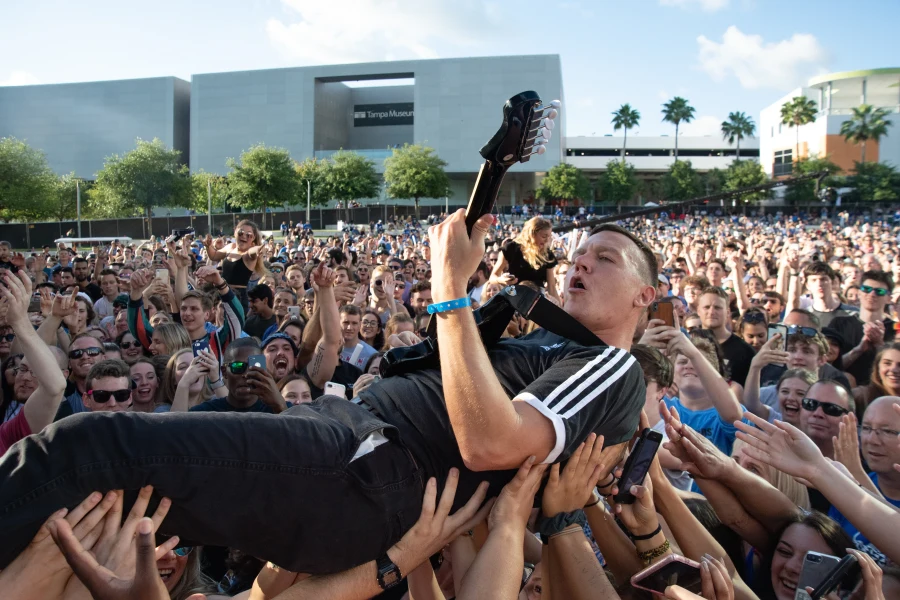
| Concerts, festivals and events | Low light skill, timing, discretion | Concerts and events |
| Fashion, beauty and model portfolios | Lighting range, styling awareness, comp card variety | Fashion and beauty |
| Couples, engagement and family | Natural posing, location knowledge, patience | Couples and family |
| Brand and commercial | Product and food lighting, interiors, campaign thinking | Brand and commercial |
| Aerial and drone | Flight planning, airspace awareness, 4K video | Aerial and drone |
Experience inside the specialty is what to look for. Ask a concert photographer how they handle a pit limited to a few songs, ask a headshot photographer how they help someone who hates their smile, and ask a drone operator how they check airspace before a flight. Specific, confident answers mean the person has done it many times; generic answers suggest they are learning on your job.
Joe works across all of these, and his fine art practice ties it together with a strong sense of light and composition.
If your project spans several categories, such as a restaurant that needs food photos, staff headshots and a drone view of the building, it often makes sense to hire one professional photographer. Tampa Bay businesses that do this get a consistent look across everything they publish, one planning conversation instead of three and a single gallery to work from. For deeper dives, see headshot photographer in Tampa and corporate and team headshots in Tampa.
Good local references while you plan: the City of Tampa website covers parks, public spaces and event calendars in Tampa, and Joe watches the National Weather Service Tampa Bay forecast to time outdoor sessions around summer storms and the best light.
Reading a Portfolio the Way a Professional Would
Portfolios are curated by design, so read between the lines.
Look for range in light
Does the photographer show work in studio, harsh sun, open shade, dim rooms and twilight? Joe's own range runs from studio headshots and fashion in industrial window light to a full moon rising behind a minaret of Plant Hall at the University of Tampa and festival main stages at night.
Look at skin and hands
Plastic skin is the most common editing mistake. Zoom in on faces. Real texture should be there, with blemishes softened, not erased. Hands are another giveaway: awkward, clawed or hidden hands usually mean nobody was guiding the pose. Relaxed, natural hands suggest a photographer who pays attention to the whole frame.
Look for consistency
If you need team photos, ask to see a group of portraits from one company. They should look like a set.
Look at the hard pictures
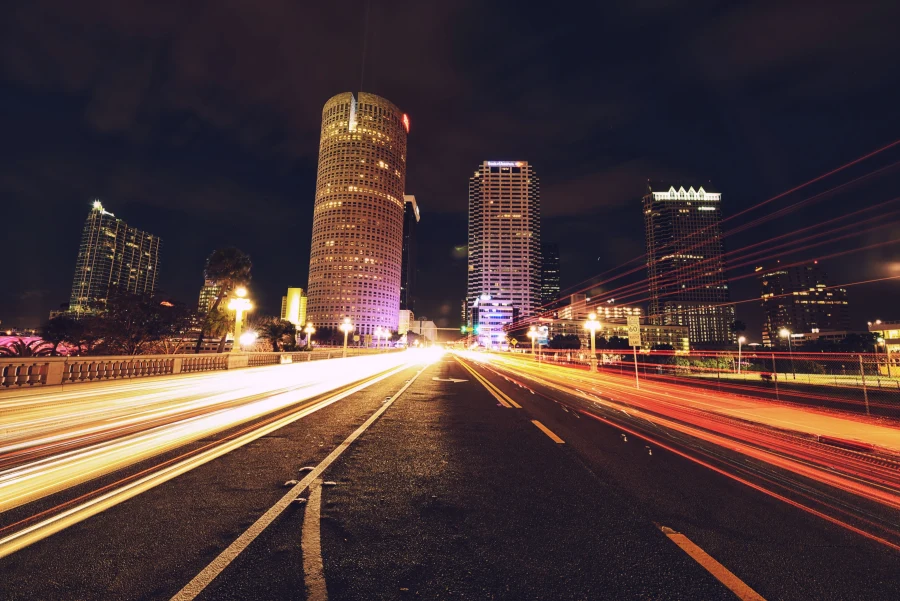
Anyone can photograph a beach at sunset. A long exposure of downtown Tampa light trails, stacked from many frames, or a blue hour panorama of the skyline over the Hillsborough River shows technical command. Browse Joe's portfolio with that in mind.
Look for the photographer's own voice
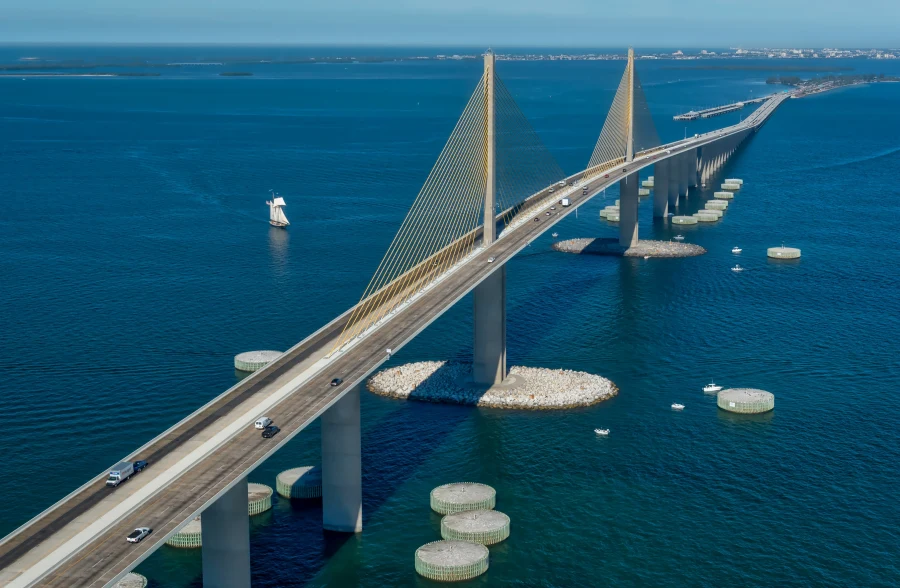
Personal projects reveal how someone sees. Joe's include multiple-exposure art blends of Ybor City neon and roosters, shutter-drag Gulf sunsets and aerials of the Sunshine Skyway. You do not need to love every experimental piece, but personal work tells you whether a photographer is curious about light, which tends to show up in client sessions too.
What a Session With Joe Looks Like
Here is the process you can expect, described plainly so you can compare it with anyone else you are considering. It stays the same for one executive needing a board headshot and for a company photographing an entire department in a single morning.
Planning call. You discuss what the images are for, where they will be used and what you want people to feel when they see them. Location and wardrobe guidance follow, with specific suggestions on colors, layers and fit, plus a backup plan if the session is outdoors during storm season.
The session. In the studio, a typical headshot setup runs around f/9 at 1/125s and ISO 100 under studio strobes, which keeps the whole face sharp and the light clean. On location, Joe chooses lenses for the job, from a 58mm f/1.4 or 85mm f/1.4 for portraits to a 14-24mm f/2.8 for interiors. For corporate clients, he brings a portable studio to your office.
Live review. During headshot sessions, you see images on screen as you go and can adjust expression, angle or wardrobe on the spot. Most people relax noticeably once they see a strong frame, and that ease shows in every picture that follows.
Retouching and delivery. Each selected image is hand retouched, keeping skin texture, then delivered in a private online gallery sized for web, social and print.
The gear behind it is professional grade: Nikon D5, D6 and D750 bodies, fast primes such as the 58mm f/1.4, 85mm f/1.4 and 105mm f/2.8, f/2.8 zooms from 14mm to 200mm, an 80-400mm for reach and a DJI drone shooting 4K. That kit lets a professional photographer Tampa Bay events and offices depend on switch from a dark concert floor to a bright studio without missing a step. What you will not find on this page are invented numbers, rates or promises. Those belong in a real conversation about your project.
Red Flags When Hiring a Professional Photographer Tampa Bay Area
A few warning signs come up again and again when people describe a disappointing experience. Most of them are easy to spot early, during the first call or email, long before you are standing in front of a camera wondering what you signed up for.
- No conversation about your goals before the shoot, just a time and a place.
- Vague answers about how and when you receive files.
- Portfolios full of heavy filters that make every subject look the same.
- No plan for weather on outdoor sessions.
- Drone offers with no mention of airspace or flight planning. Commercial drone work in the US falls under FAA Part 107 rules, and a careful operator plans around airspace and weather.
- Promises that sound too good to be true, especially big claims you cannot verify.
- Pressure to decide immediately, before you have seen a full gallery or had your questions answered.
- No mention of how the photographer will handle your team, family or guests who feel awkward on camera.
Honest limits
No photographer does everything well. A professional will tell you when your project falls outside their focus and point you elsewhere. Joe concentrates on the services listed on this site, and if your request does not fit, he will say so on the planning call rather than stretch into work he does not specialize in. That honesty saves you time, and it is a fair test to apply to anyone you interview.
The opposite of each is what you are looking for: a photographer who asks about you first, explains the plan clearly and shows you honest, consistent work.
Start Here
If Joe's approach sounds right, the easiest next step is a conversation. Request a planning call or call or text 813-417-2626. You can also learn more about Joe Sale, look at his photography studio in Tampa, or explore limited fine art prints of his Tampa Bay work.
When you reach out, share a few details: what the photos are for, roughly where in the region you are, any dates you have in mind and a link or two to images you like. That gives Joe enough to suggest a plan right away. Whichever photographer you choose, ask the questions on this page, look at full galleries and trust the person who listens first. That is the surest way to find a professional photographer Tampa Bay can offer for your project.
Professional Photographer Tampa Bay: Frequently Asked Questions
How do I find a good professional photographer near me in Tampa Bay?
Start by naming the type of photography you need, then look for full galleries in that specialty, not just highlights. Ask about planning, posing guidance, retouching and delivery. A professional photographer Tampa Bay clients recommend will answer those questions clearly and will know the light and locations near you.
What is the difference between a professional and an amateur photographer?
Consistency and process. A professional produces reliable results in difficult light, plans each session, guides people who are not used to the camera, edits with restraint and delivers files ready for real use. An amateur may make beautiful images, sometimes stunning ones, but usually without that dependability across every job and every kind of light.
Should I hire a photographer with a studio or one who comes to me?
It depends on the job. Studios offer controlled light and clean backgrounds for headshots and fashion. On location sessions add context for brands, families and couples. Joe has his own studio in the Tampa Bay area and also works on location, including bringing a portable studio to offices for team portraits.
What should I prepare before a professional photo session?
Know how you will use the images, bring two or three outfit options in solid colors, get rest the night before and arrive a little early. For business shoots, prepare a shot list and clear the space. Your photographer should give specific wardrobe and location guidance during planning, so nothing about the day feels like guesswork.
Does Joe Sale work across the whole Tampa Bay area?
Yes. Joe works in his own studio in the Tampa Bay area and on location across Tampa, St. Petersburg, Clearwater and surrounding communities. See the Tampa Bay photographer hub for city pages, or call or text 813-417-2626 to talk about your location.
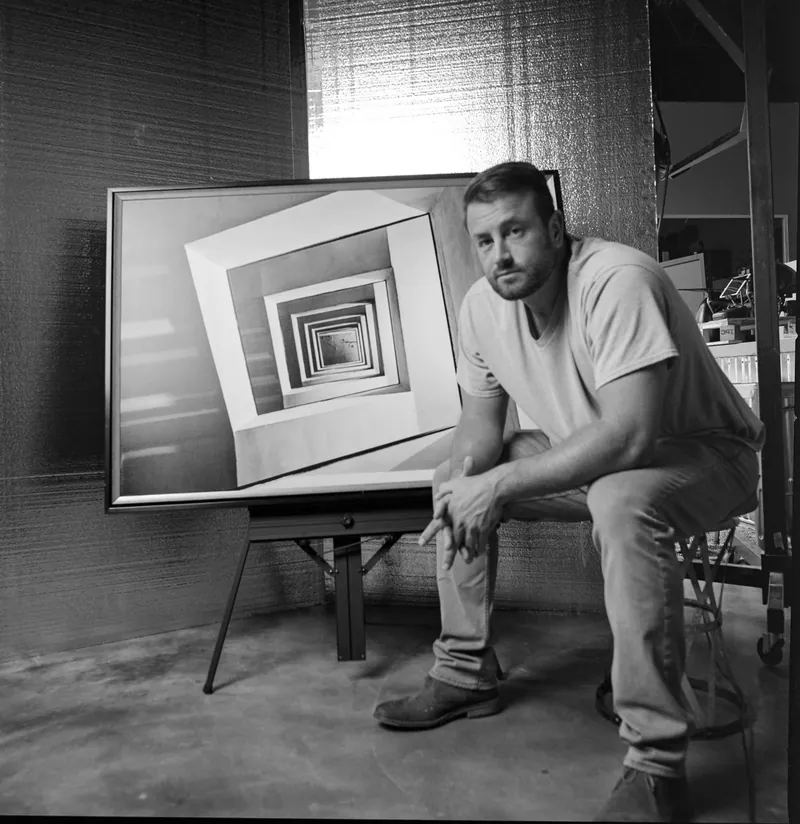
About Joe SaleJoe is a Tampa Bay photographer and fine artist who shoots portraits, live music, brands and the city itself. See more on the about page, browse the portfolio or book a shoot.