 By Joe Sale · Photographer & fine artist · Reviewed and updated October 2026
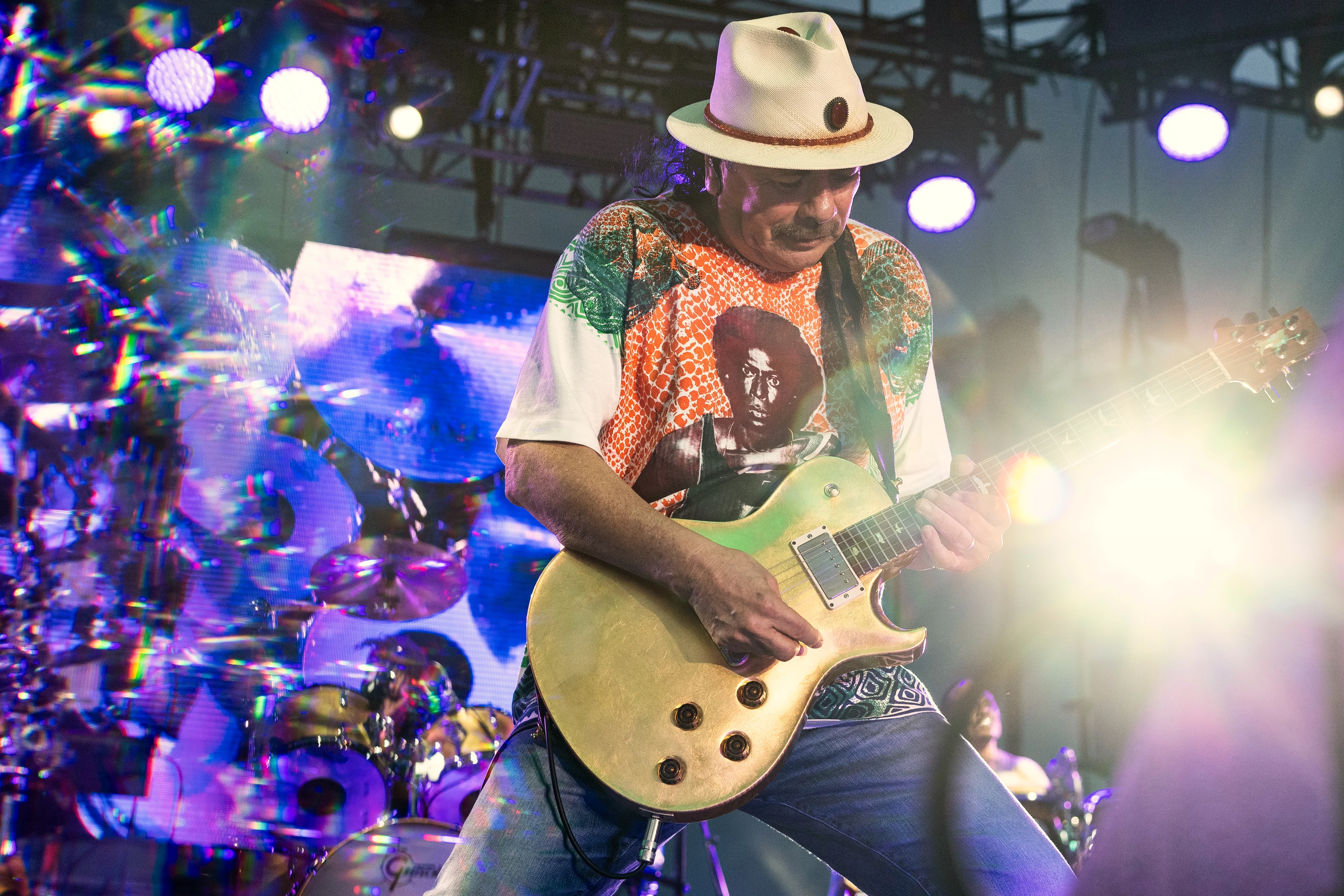
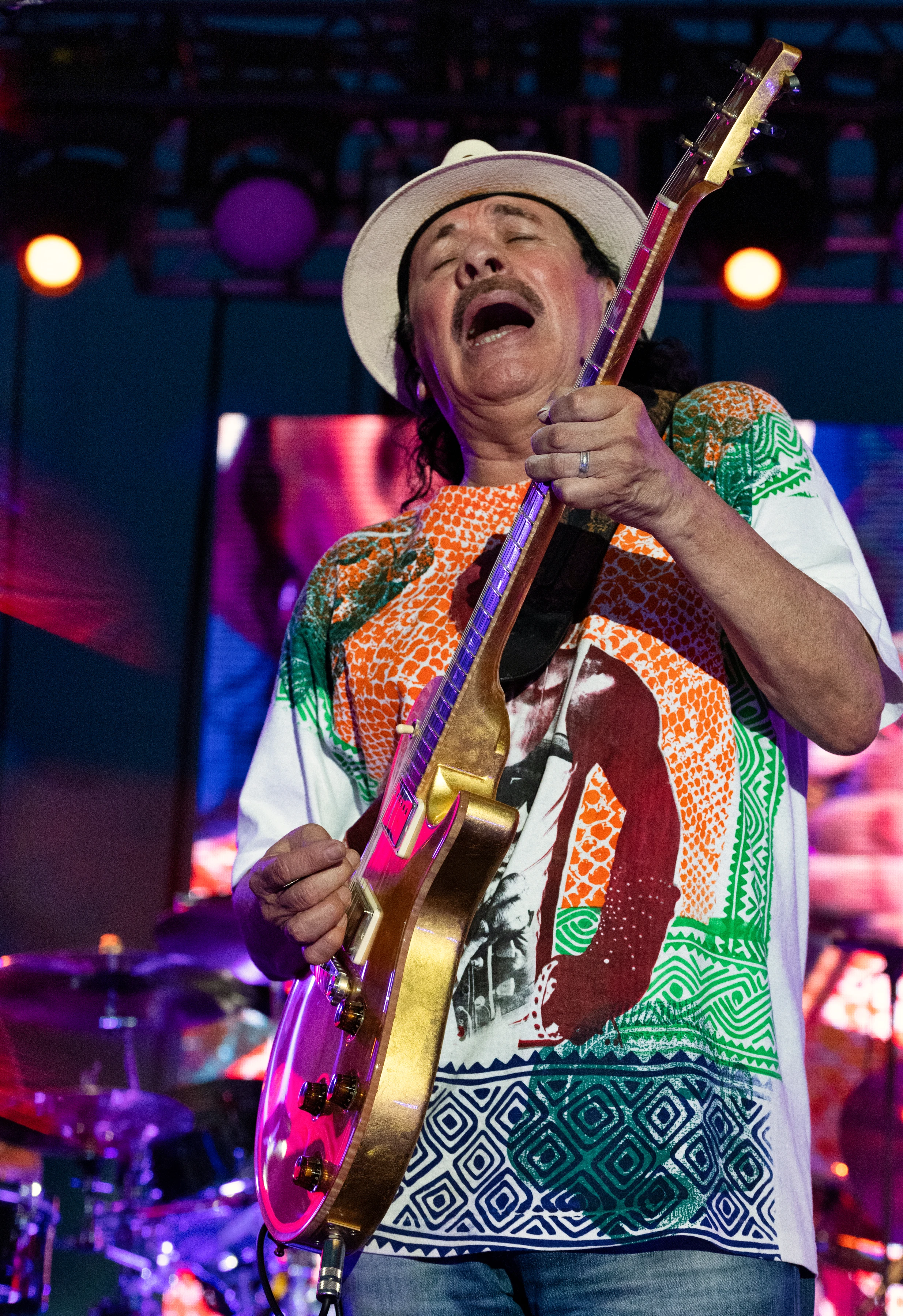
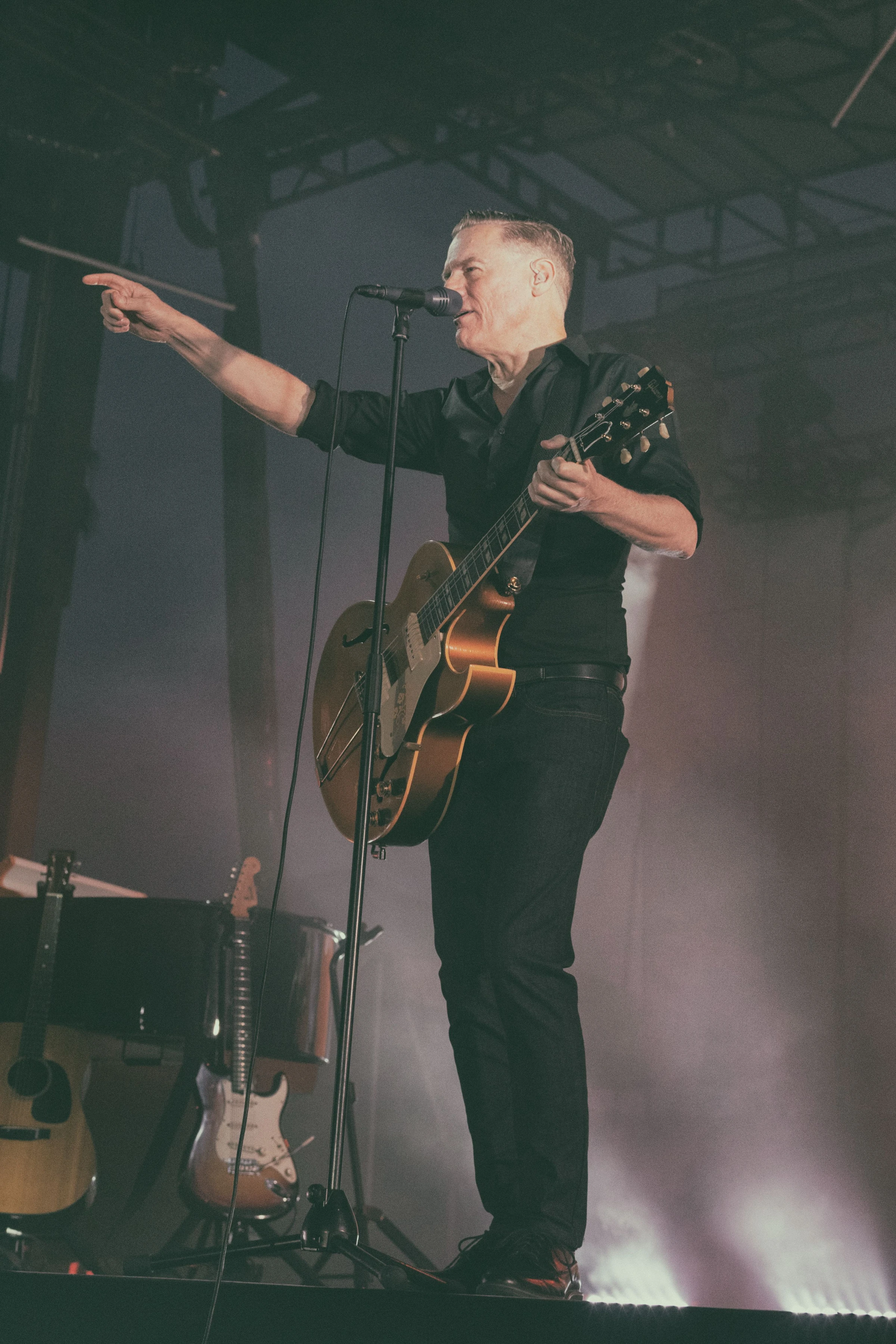
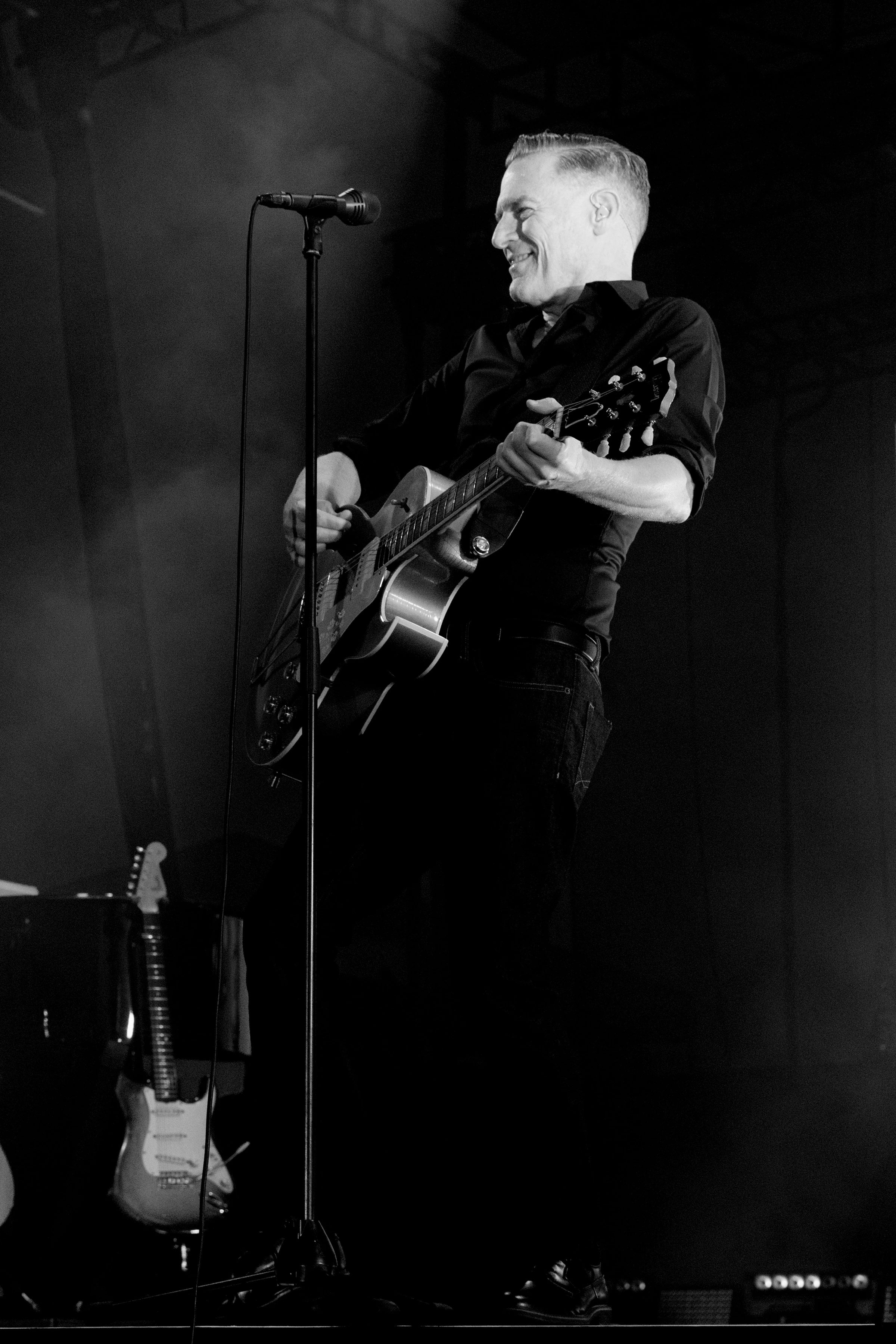
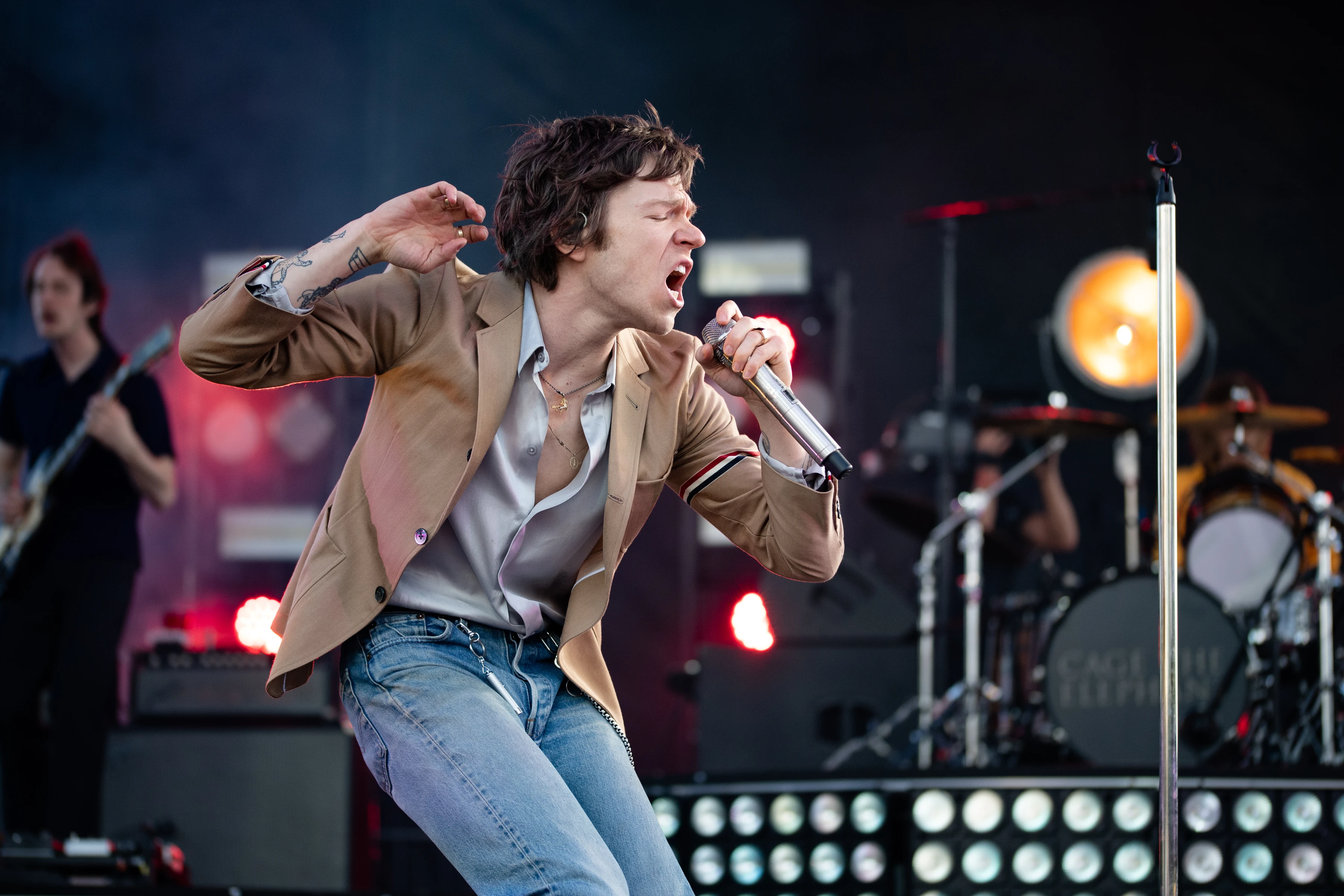
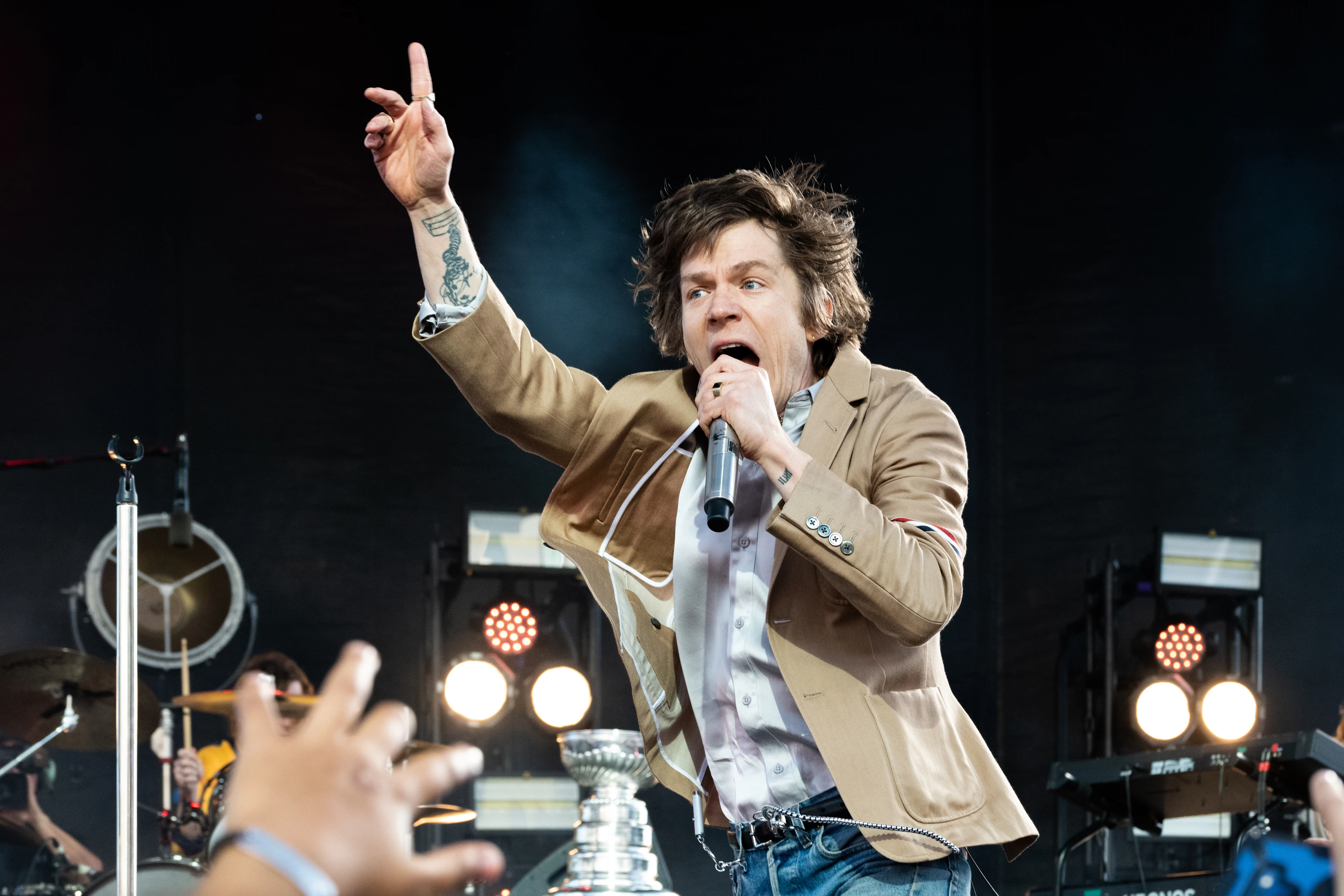
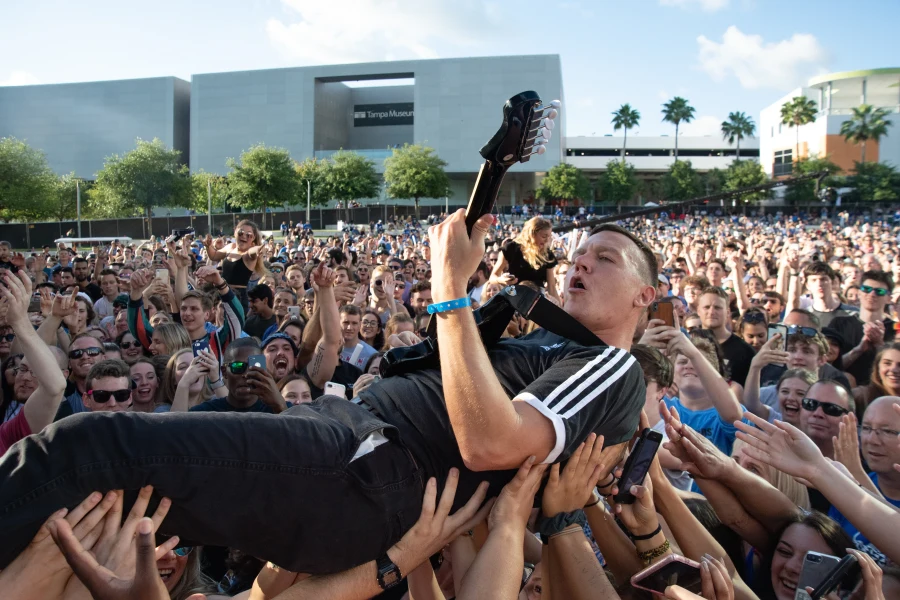
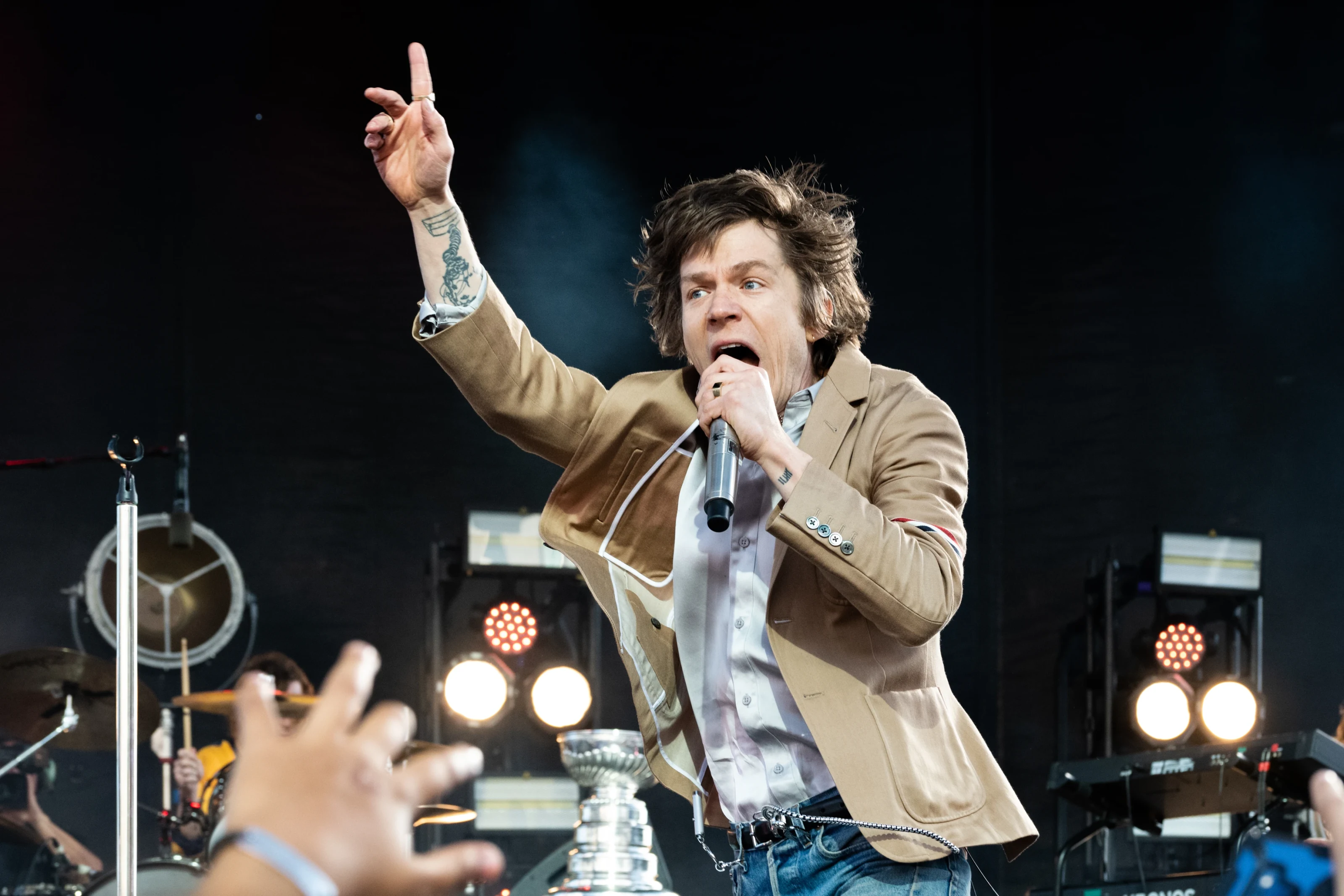
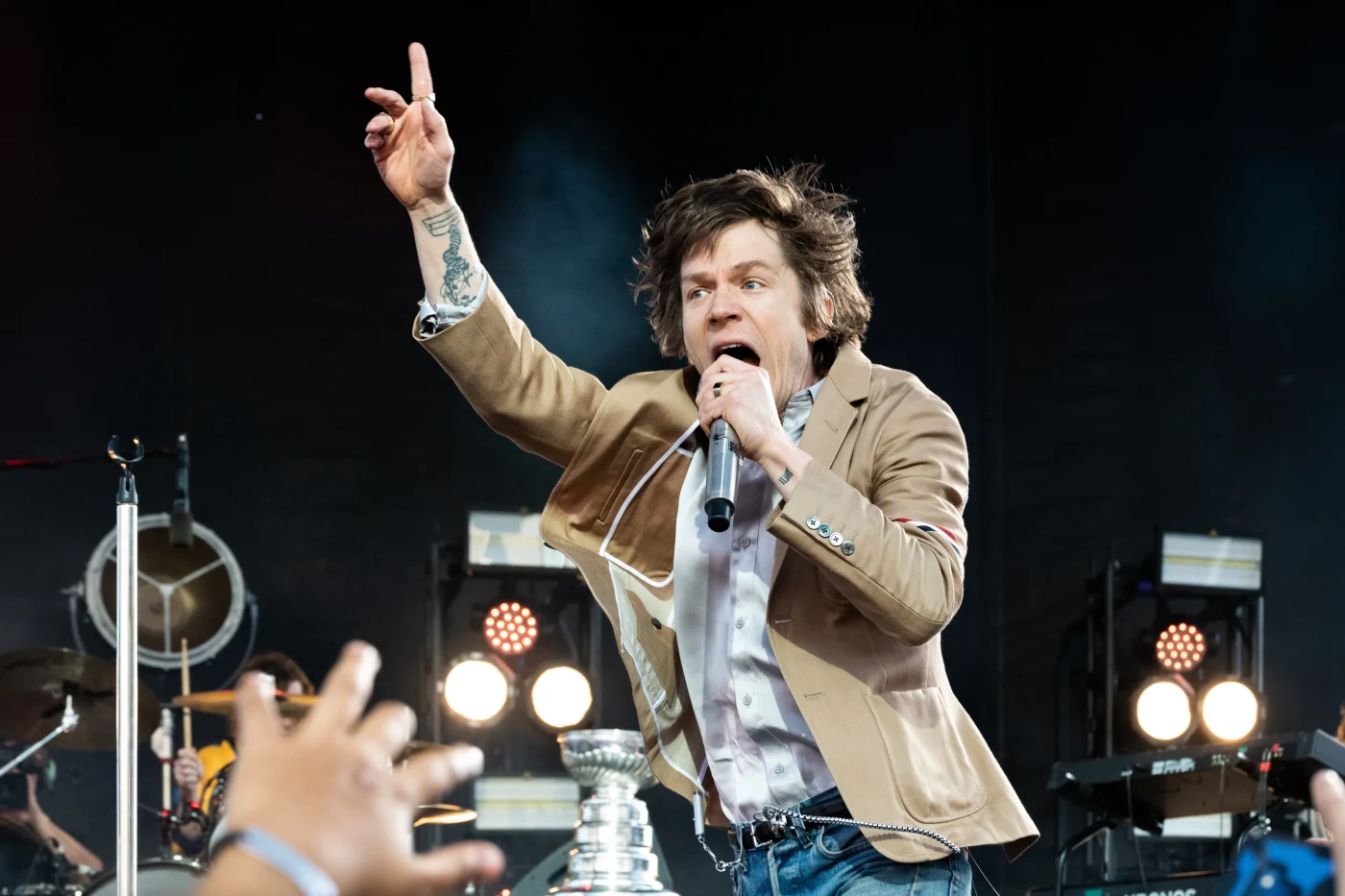
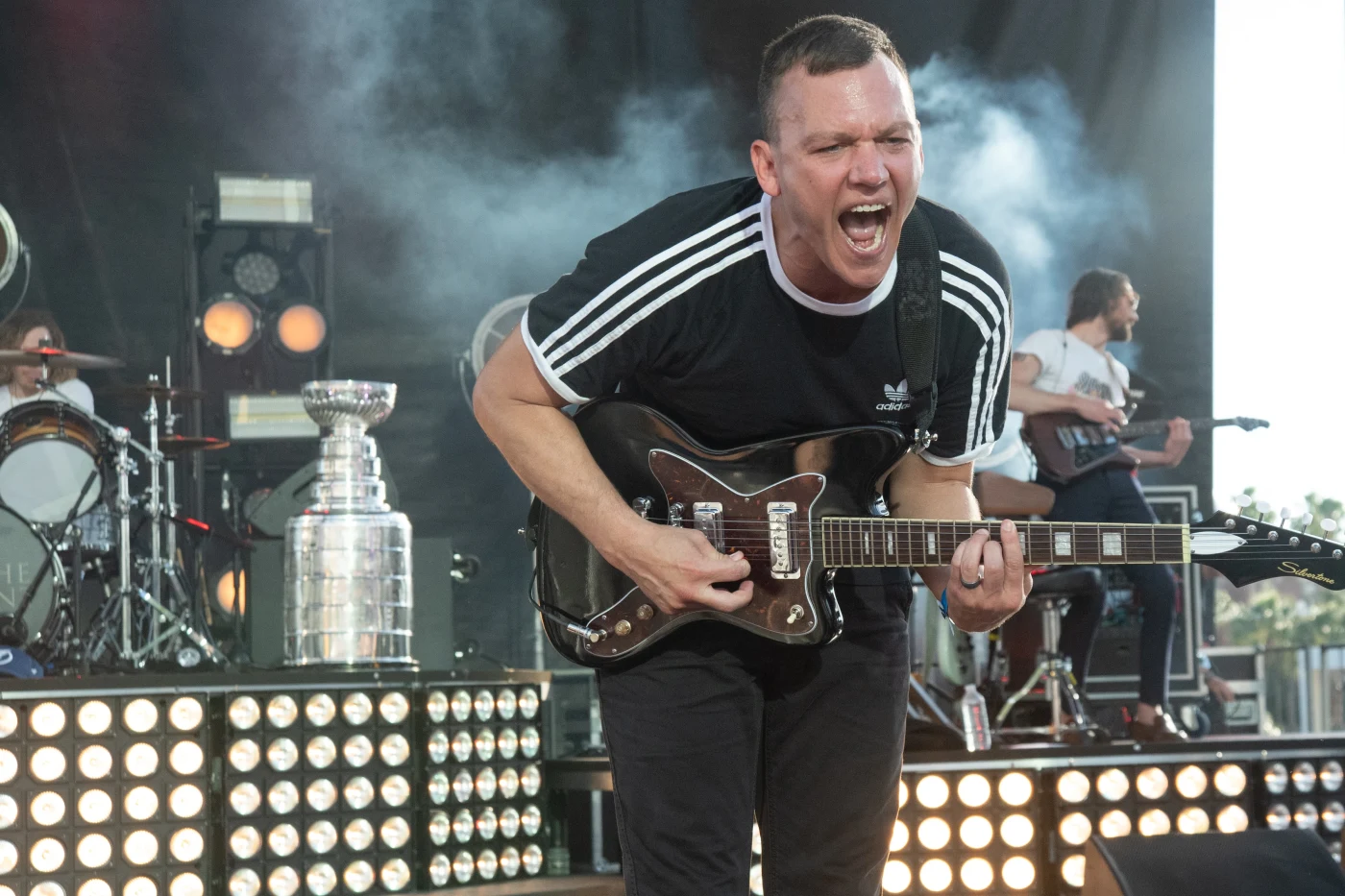
A concert photographer Tampa musicians and promoters can count on has to do three things at once: read stage lighting that changes every beat, stay out of the way of fans and crew, and still come home with images a band wants on its tour poster. Joe Sale has photographed festival main stages in Tampa, including a guitarist crowd-surfing over the barricade, and he treats live music as some of the most demanding work a camera can do.
This page is written for the people who actually book live coverage: bands and their managers, venue marketing teams, festival producers and promoters. It explains how Joe works a show from load-in to delivery, what gear handles the darkness, and how to book concert coverage without surprises.
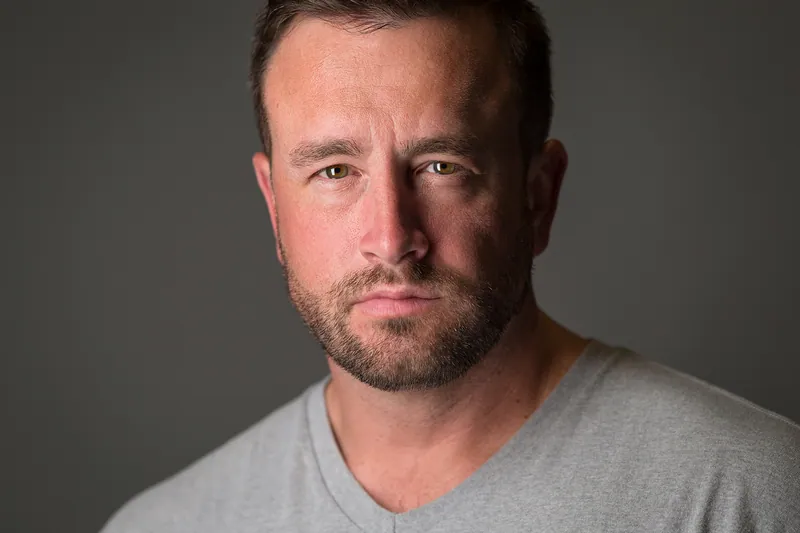
Joe Sale is a Tampa Bay concert and festival photographer who covers club shows, theater performances and outdoor main stages. He shoots fast prime and f/2.8 zoom lenses on Nikon D5 and D6 bodies at ISO 1600 to 8000, works within pit rules, and delivers edited images in a private online gallery for press and social.
A Show Night, Hour by Hour
Most people only see the moment the shutter fires during the big chorus. The real work is spread across the whole night, and planning it hour by hour is what separates a usable gallery from a memory card full of blur.
- Before doors. Joe confirms credentials, pit access and any limits from the tour or venue. He walks the room to find sightlines from the barricade, the soundboard and the balcony or side stage.
- Soundcheck, when allowed. This is the quiet chance to read the lighting rig, test exposure and make a few relaxed portraits of the band onstage without a crowd.
- Doors and openers. Crowd energy, merch tables, the line outside and the room filling up. Promoters often need these as much as the headliner frames, and they are the images that show a sold out night to the next booker.
- The headliner's first songs. Many tours allow photographers in the pit only for the opening songs. Joe works quickly and moves with purpose, getting each member, the full stage and the crowd from the barricade before security clears the pit.
- From the crowd and the back. Wide frames that show the full stage, the lights and thousands of raised hands.
- After the show. A quick backstage or green room portrait if the band wants one, then culling and editing.
Every night is different, but this rhythm keeps the important pictures from slipping past.
Etiquette matters just as much as timing. A good concert photographer, Tampa crowds will barely notice, keeps his lens below the sightlines of people who paid for tickets, never parks in one spot in the pit for too long, and stays clear of security and stage crew. Fans should remember the band, not the guy with the camera. That discretion is also why venues invite the same photographers back.
How a Concert Photographer Tampa Venues Trust Handles the Dark
Concert lighting is designed for human eyes and for drama, not for cameras. Faces swing from deep shadow to blasting LED color in a fraction of a second, and haze machines scatter light everywhere. Handling that is mostly about gear choices and quick decisions.
| Situation | Typical approach | Why |
|---|---|---|
| Small club, dim wash | 58mm f/1.4 or 85mm f/1.4, ISO up to 8000 | Wide apertures gather light and soften a messy background |
| Theater or arena pit | 24-70mm f/2.8 and 70-200mm f/2.8, ISO 1600 to 6400 | Zooms cover the singer at the mic and the drummer at the back |
| Festival main stage | 14-24mm f/2.8 for crowd and stage, 70-200mm for faces | Big stages need both scale and intimacy |
| Distant vantage, soundboard or balcony | 80-400mm or 180mm f/2.8 | Reach without blocking anyone's view |
The Nikon D5 and D6 are built for exactly this: fast autofocus in low light and clean files at high ISO. Joe times exposures to the beat when he can, catching the peak of a jump or the instant a spotlight hits a face.
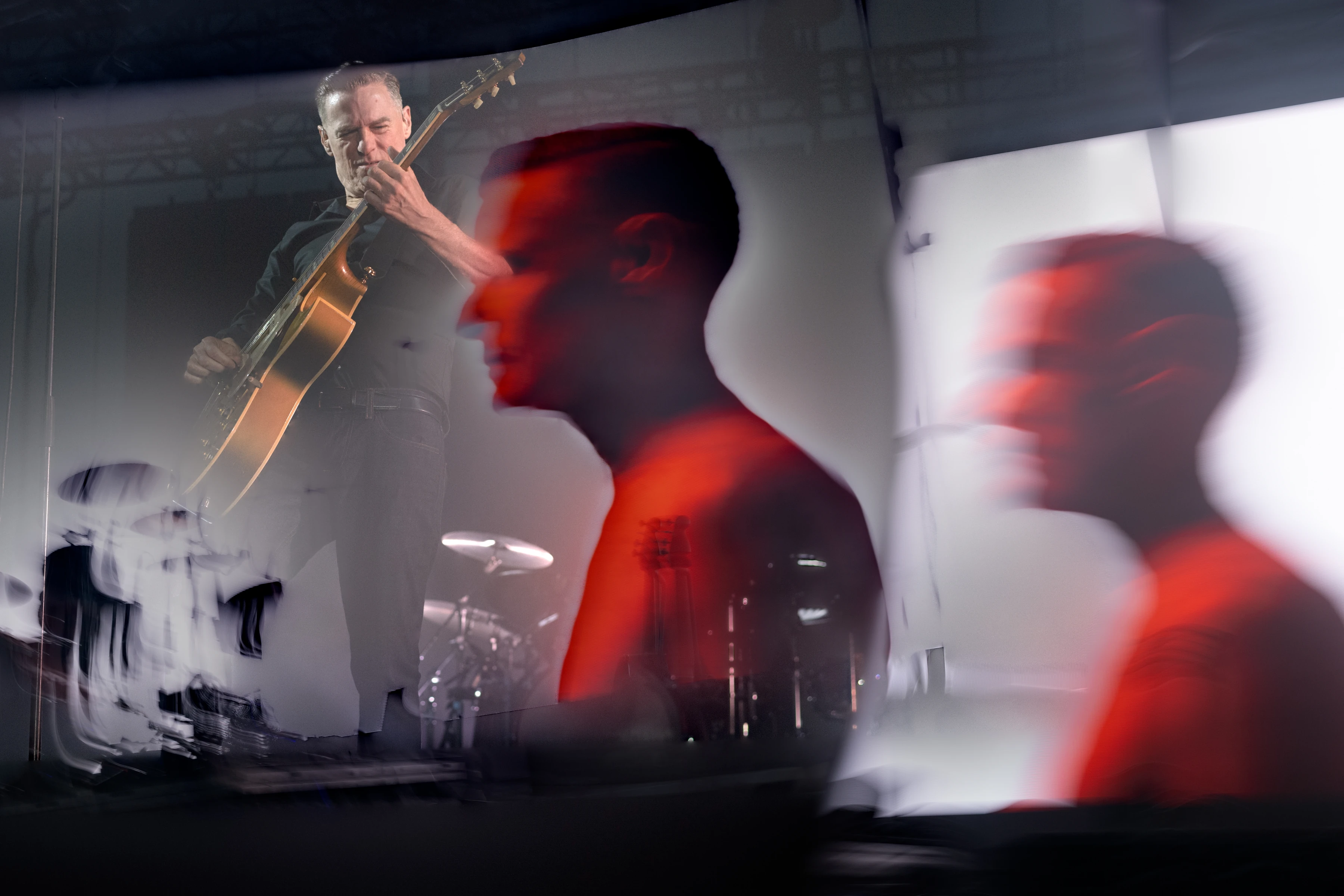
Shutter speed is the other half of the puzzle. A singer at a ballad can be frozen at a modest speed, while a drummer mid fill or a guitarist leaping off a riser needs something far quicker. Joe also drags the shutter on purpose at times, letting stage lights smear into color while a strobe moment pins the subject. That is the root of the impressionistic motion studies in his art, and it gives a concert photographer, Tampa stages or anywhere else, one more way to show what the music felt like.
Flash is usually off limits during a performance and would kill the mood anyway. The real color of the stage lights is part of the show, and Joe protects it in the edit rather than neutralizing it into something flat.
Who Books Live Music Coverage
Different clients need very different galleries from the same night. Knowing who you are shaping the coverage for changes where Joe stands and what he prioritizes.
Bands and artists
You want hero images for streaming profiles, press kits and tour announcements, plus honest moments between songs. Joe pays attention to every member, not only the singer, because the drummer will notice if they are missing.
Venues and clubs
You need photos that sell the experience of being in your room: packed floor, lights, the bar, the stage from a fan's eye level. These feed your calendar listings and social posts for months.
Festivals and promoters
Your gallery has to cover many stages, sponsors, food areas and crowd moments across long, hot days. A shot list agreed in advance matters here, and so does pacing.
Brands and sponsors
Activations, banners and branded areas need clean, well framed coverage that still feels like part of a live show. Joe also shoots brand and commercial photography, so he understands what a marketing team needs to see.
Local acts building a name
For a Tampa band still filling rooms, strong live photos are proof of momentum. A concert photographer Tampa venues already see in their pit can make a Thursday night crowd look as alive as it felt, which helps when you pitch the next booker or festival. Joe treats a local set with the same care as a headliner.
It also helps to think beyond one night. A band that books the same photographer for a few shows over a season ends up with a consistent visual story: the same eye, the same color approach, a clear sense of growth from small rooms to bigger stages. That continuity is hard to get when the photos come from a different friend with a phone every time.
Tampa's Live Music Landscape
Tampa has a wide range of rooms, which is part of what makes live work here interesting. A concert photographer Tampa artists hire might shoot a sweaty club set on Saturday and a large outdoor show the next week.
- Ybor City clubs along 7th Avenue. Tight rooms, low ceilings, colored washes and audiences right against the stage. Joe knows the district well and has made multiple-exposure art from its neon at night; see the Ybor City photographer page.
- Theaters such as the Straz Center. Controlled lighting, seated audiences and strict rules about when and where cameras are allowed.
- Riverfront parks downtown. Curtis Hixon Waterfront Park and the Riverwalk host outdoor events, where daylight fades into stage lights during a single set.
- Stadium and amphitheater shows. Huge stages, long lenses, heavy credential rules and big crowd scenes.
- Across the bay. St. Petersburg venues such as Jannus Live add open air shows to the regional calendar.
Each room asks for a different kit and a different plan, and the planning call is where Joe works that out with you.
Ybor rooms in particular reward experience. Light bounces off brick, haze hangs low, and the crowd is often close enough to touch the monitors. Joe moves with the crowd rather than against it and keeps his frames tight to cut clutter like exit signs and cables. Ask any concert photographer: Tampa clubs are some of the most rewarding rooms in the region because the energy is so close. Outdoor shows downtown bring a different problem: the sun sets behind or beside the stage partway through, so exposure changes from song to song.
Good local references while you plan: the City of Tampa website covers parks, public spaces and event calendars in Tampa, and Joe watches the National Weather Service Tampa Bay forecast to time outdoor sessions around summer storms and the best light.
Hiring a Concert Photographer Tampa Promoters Rebook: What to Ask
Booking live coverage goes smoother when everyone agrees on the details first. These are the questions worth settling before show day.
- Access. Is there a photo pit, and for how many songs? Can the photographer shoot from the soundboard, side stage or backstage?
- Coverage. Only the headliner, or openers, crowd, venue and sponsors as well?
- Use. Will images go to press, social, ticketing pages, posters or merch? This shapes framing and file sizes.
- Priorities. Any must have moments, such as a guest appearance, a pyro cue or a band photo with the crowd behind them?
- Delivery. Do you need a quick selection for social the next morning, followed by the full edit?
Joe's answer on delivery is a private online gallery sized for web, social and print. He will talk timing on the planning call rather than promising a number of days on this page, because every show and every edit is different.
It also helps to share the setlist and any lighting cues you know about. A concert photographer Tampa crews have worked with before will always ask for those, because knowing that the big lighting moment lands in song four changes where he stands.
Finally, talk about rights and credit up front. Bands, venues and sponsors often share the same images, so agree on who can post what and how the photographer is credited. A short conversation before the show prevents awkward messages after it, and it lets a concert photographer Tampa clients trust plan the edit around every party's needs.
The Edit: Keeping the Night Honest
Live images can be ruined in the edit as easily as in the pit. Overcooked contrast, plastic skin and color that no longer matches the show all make a gallery feel fake. Joe's approach is restrained.
- Color is corrected toward what the stage actually looked like, not neutralized to gray.
- High ISO grain is managed carefully, keeping detail in hair, sweat and texture.
- Faces are hand retouched only where needed, keeping skin texture intact.
- Crops respect the composition so posters and social frames work from the same file.
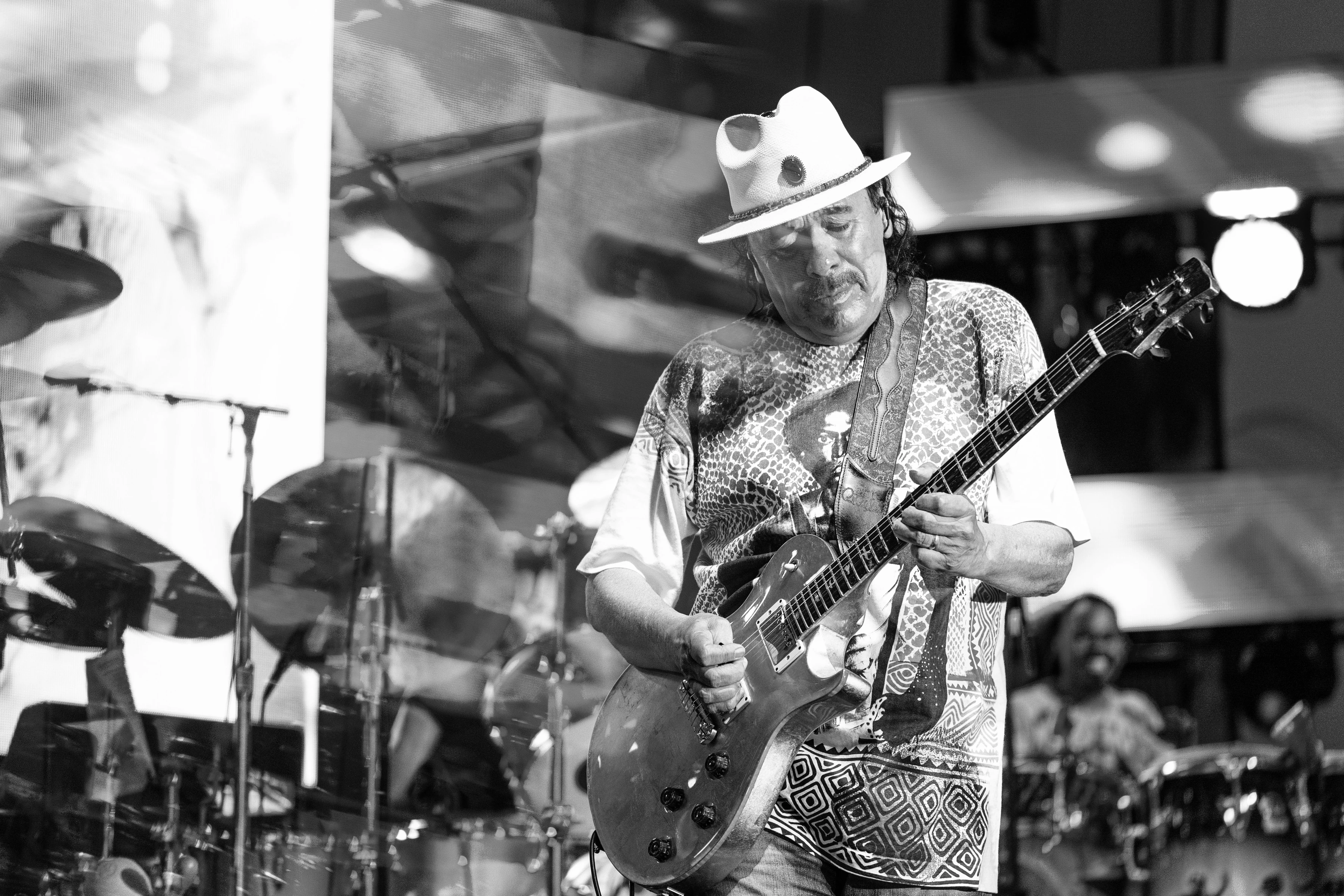
- Black and white conversions are offered only where the light was truly ugly or the moment was so strong that color would distract from it.
Selection is part of the edit too. A concert photographer, Tampa or anywhere, takes far more frames than anyone should see, and the job is choosing the ones with a real moment: eyes open, mouth on the mic, guitar neck sharp, lights hitting just right. A tighter gallery of strong frames serves a band better than hundreds of near duplicates.
The goal is a gallery you could hand to anyone who was at the show and have them say, yes, that is how it felt. Browse Joe's portfolio for examples of live and festival images alongside his portrait work.
Festival Days: A Concert Photographer Tampa Summers Test
Outdoor festivals in Tampa Bay are a different sport. You might be on your feet for ten hours, moving between stages in heat, humidity and the possibility of a storm rolling in during the afternoon. The light shifts from bright sun to golden hour to full stage lighting over a single day, and the gallery needs to show all of it.
How Joe plans a festival
- A stage schedule marked with must shoot sets and sponsor moments.
- Two bodies with different lenses so he never misses a moment changing glass.
- Rain covers, spare batteries, water and a plan for lightning holds.
- Time blocked for crowd, food, art and sponsor activations, not just stages.
Daylight sets look best when he works the angles, using backlight through the haze or shooting from low with the sky behind the performer. As evening falls, the stage rig takes over and the whole kit shifts to night mode. The main stage image of a guitarist crowd-surfing came from exactly this kind of long day: being in position when the moment arrived, after hours of staying ready.
Beyond the Stage: Portraits, Events and Art
Most bands need more than live shots. Joe also photographs press portraits and promo images in his studio or on location, using the same lighting control he brings to headshots and personal branding. A band portrait against brick in Ybor or under studio strobes can carry an album cycle.
For non-music gatherings such as conferences, galas and community events, the event photographer in Tampa page explains how that coverage differs, and concerts, festivals and events lays out the full service. If your show is part of a bigger celebration like Gasparilla, see Gasparilla photography.
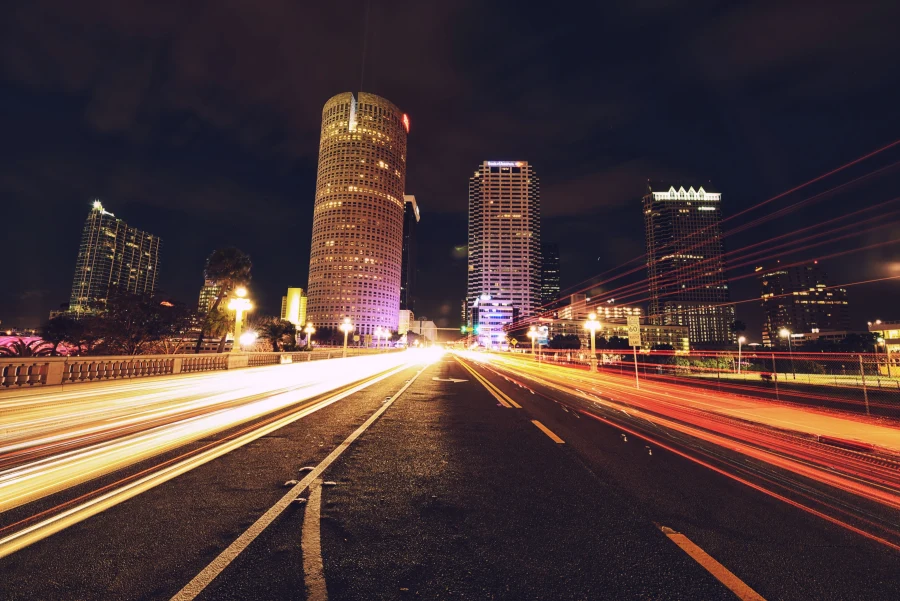
Joe's live work also feeds his fine art. Impressionistic motion studies, shutter drags and multiple exposures that started as experiments at shows sit alongside his skyline work in limited fine art prints. For the broader picture of his Tampa work, visit the photographer in Tampa page.
Ready to put a show on the calendar? Send Joe the date and venue, or call or text 813-417-2626, and include the artist, the room and what you need the images to do. He will come back with questions about access, timing and delivery so the plan is solid before doors open.
Concert Photographer Tampa: Frequently Asked Questions
How much access does a concert photographer get at Tampa shows?
It depends on the artist, tour and venue. Many shows allow photographers in the pit for only the opening songs, and some restrict where cameras can be used after that. A concert photographer Tampa clients book will confirm credentials, pit rules and any soundboard or side stage access ahead of time so nothing is a surprise on the night.
Can you photograph a concert without flash?
Yes, and that is the normal approach. Flash is usually prohibited during performances and would wash out the stage lighting. Joe uses fast lenses such as the 58mm f/1.4 and 70-200mm f/2.8, plus Nikon bodies that produce clean files at ISO 1600 to 8000, so the real color of the show comes through.
What should a band send its photographer before a show?
Send the setlist, any special moments like guest players or lighting cues, the names of all members, and how the images will be used. If you want a band portrait, mention when and where that can happen. That information helps the photographer stand in the right place at the right time.
Do venues and festivals hire their own photographers?
Many do, either for a season or for specific events. Venue and festival galleries focus on the crowd, the room, sponsors and the overall experience, while band galleries focus on the performers. Joe can cover either brief, and the planning call is where the priorities get set, including which stages, which acts and which sponsor moments come first.
How are concert photos delivered?
Joe delivers edited images in a private online gallery, with files sized for web, social and print. If you need a small selection quickly for social posts after the show, say so during planning and he will build that into the workflow before finishing the full edit.
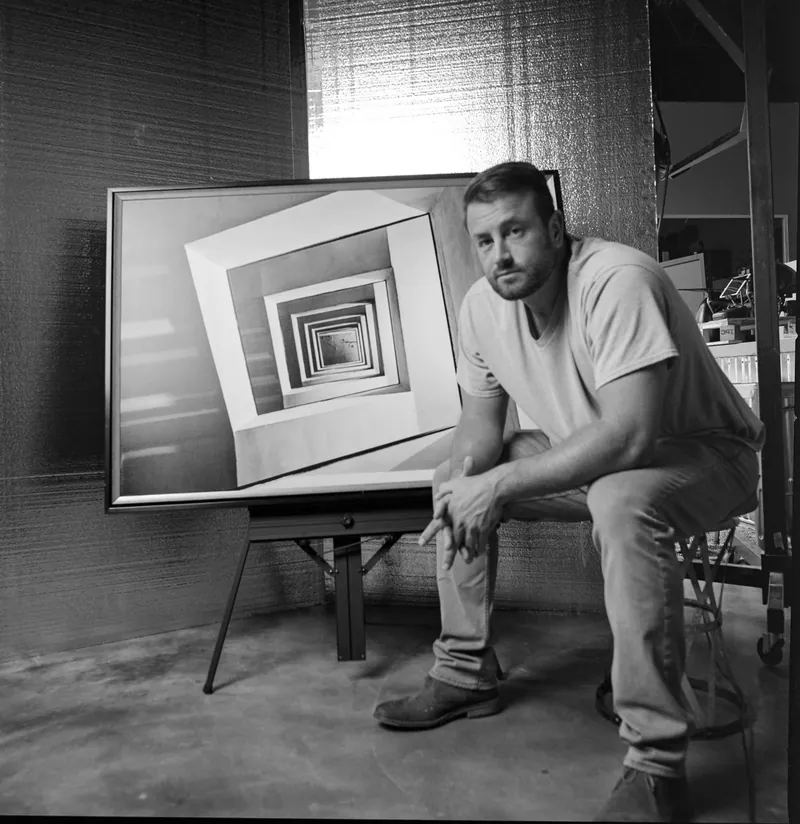
About Joe SaleJoe is a Tampa Bay photographer and fine artist who shoots portraits, live music, brands and the city itself. See more on the about page, browse the portfolio or book a shoot.