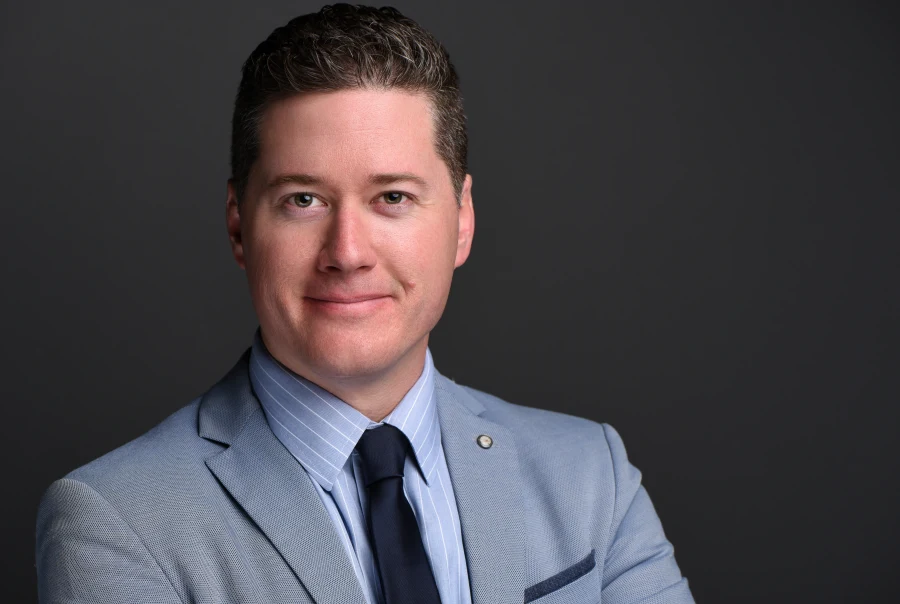
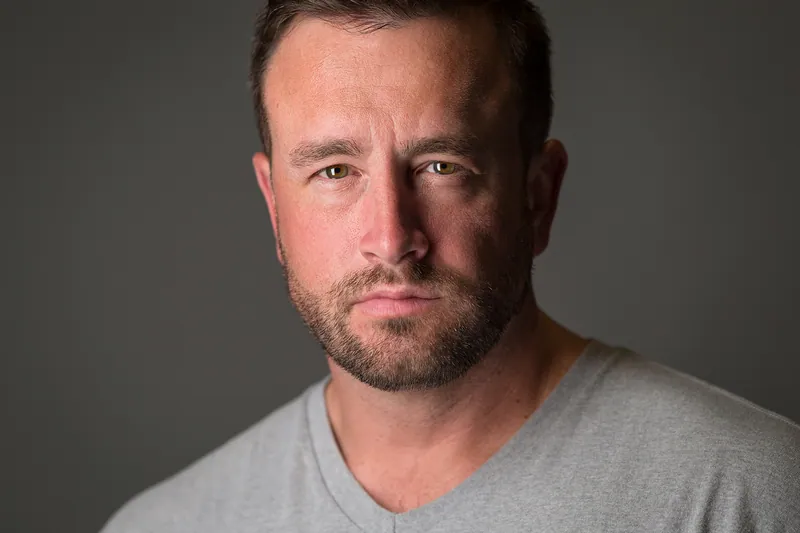
 By Joe Sale · Photographer & fine artist · Reviewed and updated October 2026
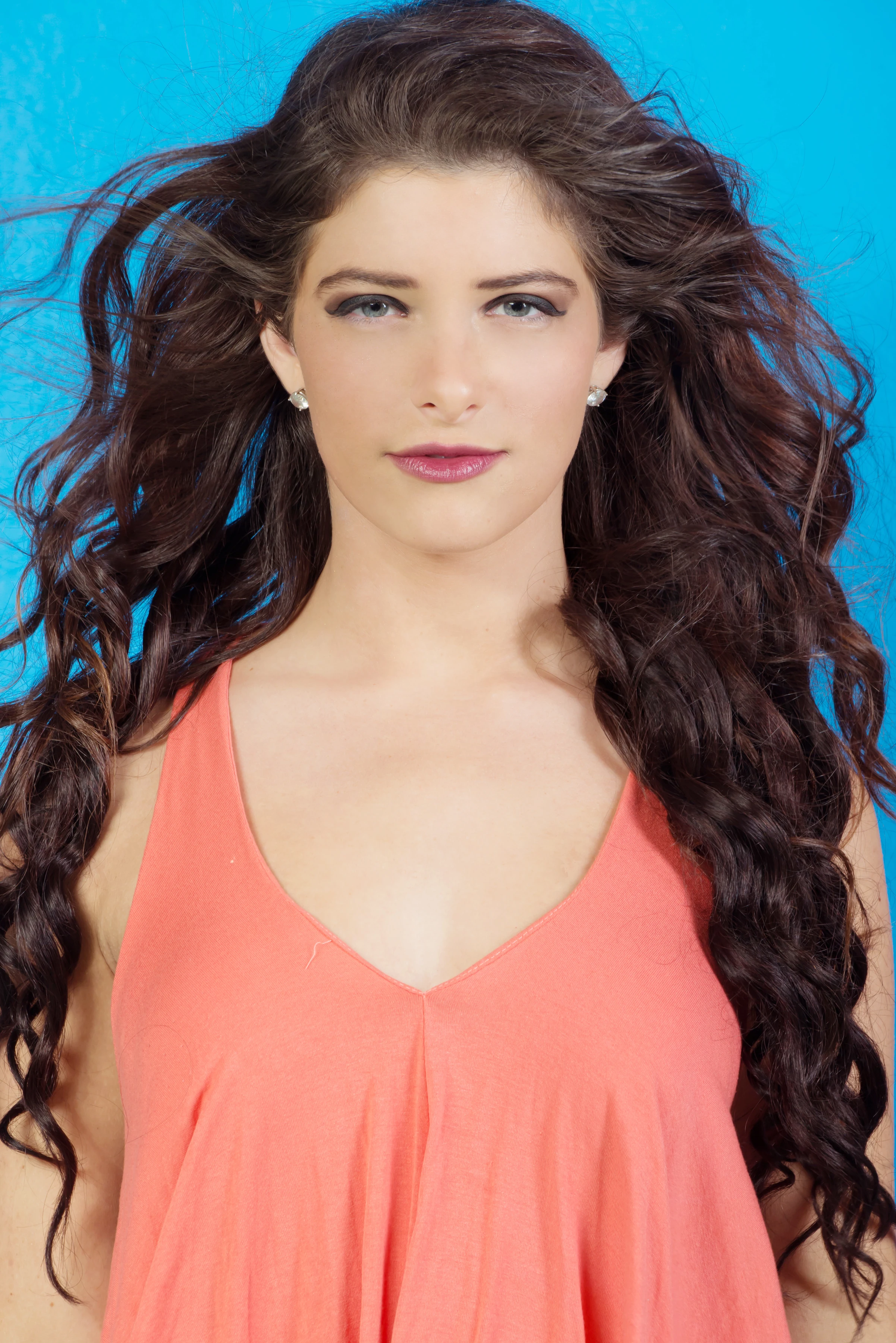
As a fashion photographer Tampa models, actors in training and independent labels call on, Joe Sale shoots in three distinct kinds of light: bold studio color, soft industrial window light and Florida golden hour. That range is the backbone of a portfolio that shows versatility instead of the same look twelve times.
This page walks through how Joe plans a model portfolio, what belongs on a comp card, where Tampa offers real fashion texture, and how brands can use the same approach for lookbooks and campaigns.
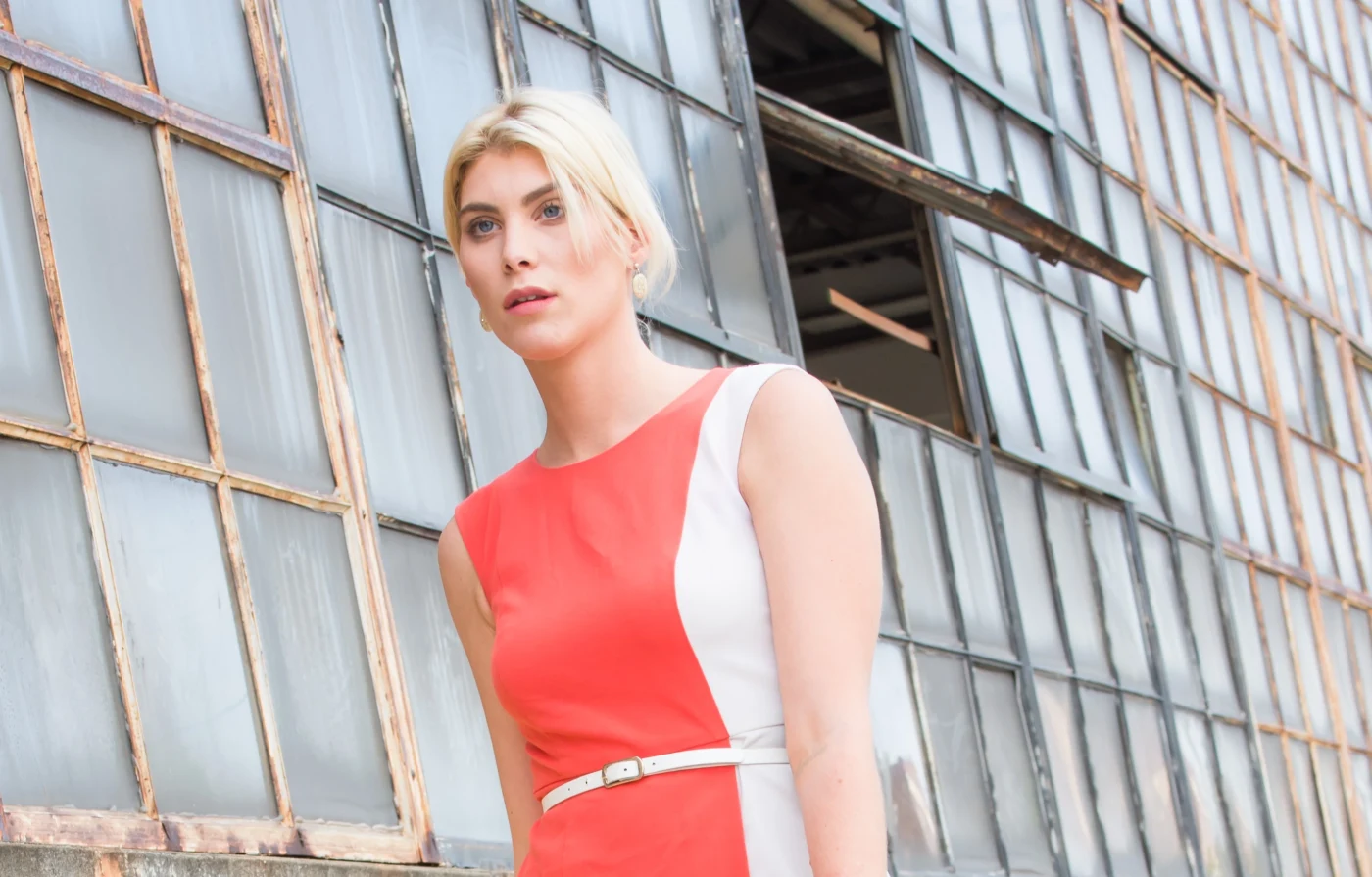
Joe Sale is a fashion photographer Tampa clients hire for model portfolios, comp cards, beauty and brand lookbooks. He combines studio color, industrial window light and golden hour locations, plans wardrobe with you beforehand, retouches by hand without erasing skin texture, and delivers finished images in a private online gallery.
What a Fashion Photographer Tampa Models Hire Should Deliver
A model portfolio is a sales tool. Whoever looks at it, a booker, a casting director or a brand, is asking two questions within seconds: what does this person actually look like, and what range can they show? Every frame either answers those questions or wastes space.
That is why Joe starts every portfolio project by asking where you want to work. Commercial catalog clients want approachable, clean images; editorial clients want mood and attitude; fitness and lifestyle brands want energy. Knowing the target shapes every later decision, from backdrop color to how much makeup goes on.
The portfolio
A strong book usually holds a small set of carefully chosen images rather than dozens of near duplicates. It needs at least one clean, minimally styled frame that shows your natural features, then several images that show how you move, how you carry clothes and how you change mood under different light.
The comp card
A comp card condenses that book into a single page or card: one hero image on the front and a few supporting frames on the back, along with your measurements and contact details. Because space is so limited, each image has to show something the others do not.
Joe plans both together. Shooting a portfolio and comp card in one coordinated session means the light, styling and retouching all match, and you are not stitching together pictures from three different photographers with three different color palettes.
Digital first, print ready
Most portfolios now live on phones, agency sites and social profiles before they ever reach paper. Joe delivers files sized for web and social as well as print, so the same image looks sharp on a casting director's tablet and on a printed card. A fashion photographer Tampa talent works with should think about every screen the image will land on, not only the one in the studio.
Three Lighting Worlds, One Book
Joe's fashion and beauty work falls into three lighting styles. Most portfolio clients get at least two of them, and the strongest books use all three.
Studio color
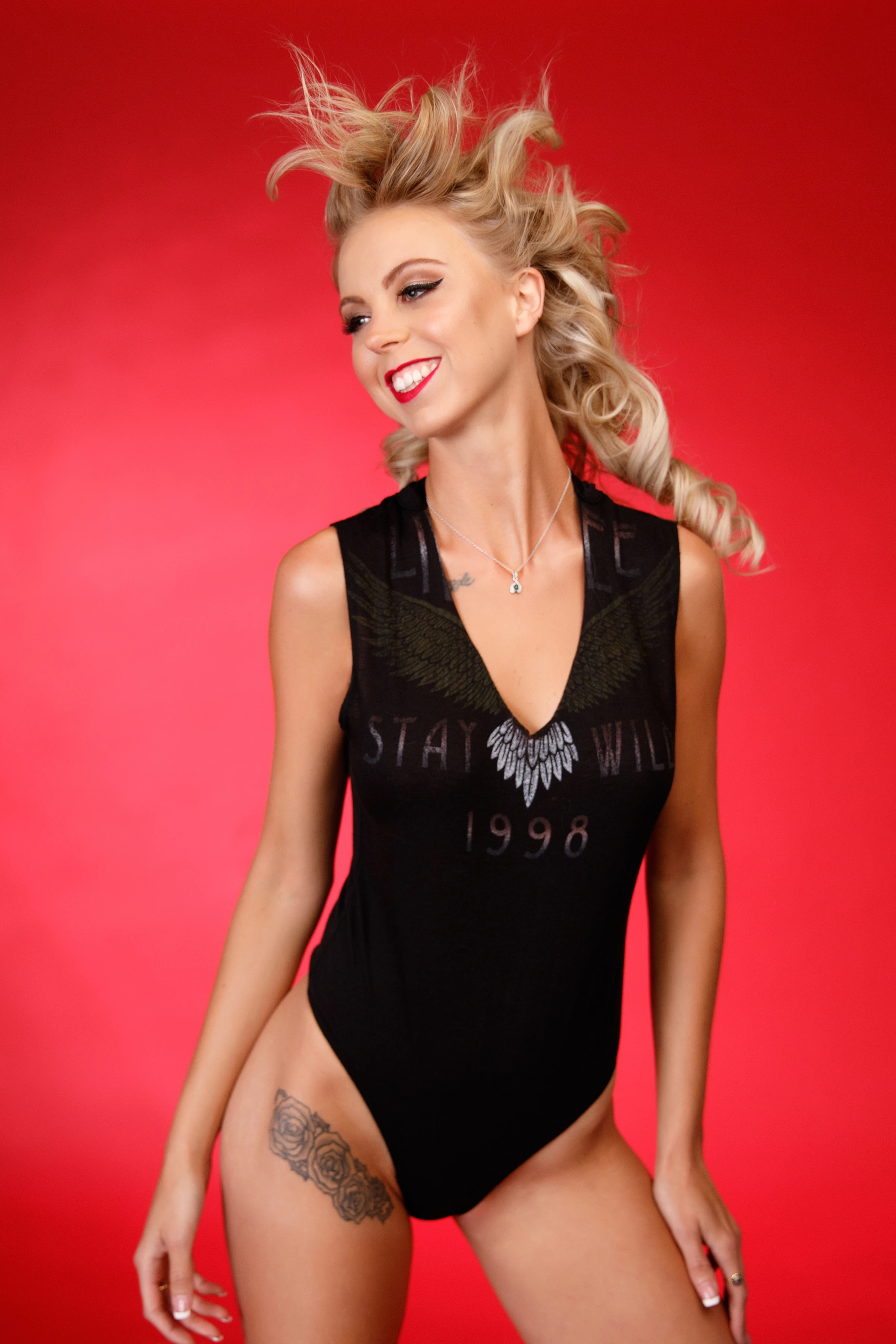
In studio, Joe can paint backgrounds with colored light, create crisp shadows or wrap the face in soft, even beauty light. This is where editorial energy lives: saturated backdrops, sharp lines, deliberate posing. Studio sessions are also immune to Tampa weather, which matters from June through September when afternoon storms arrive on schedule.
Industrial window light
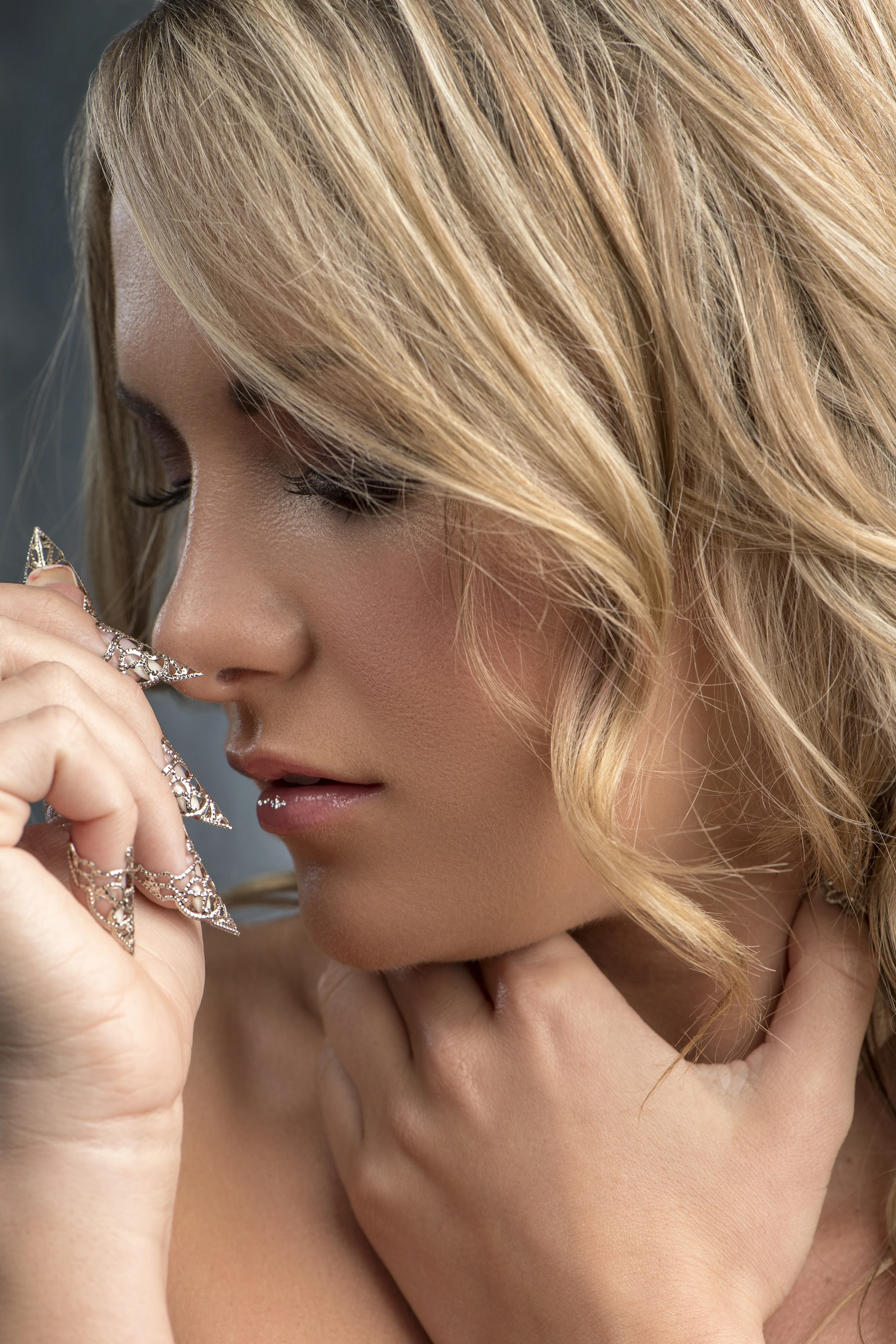
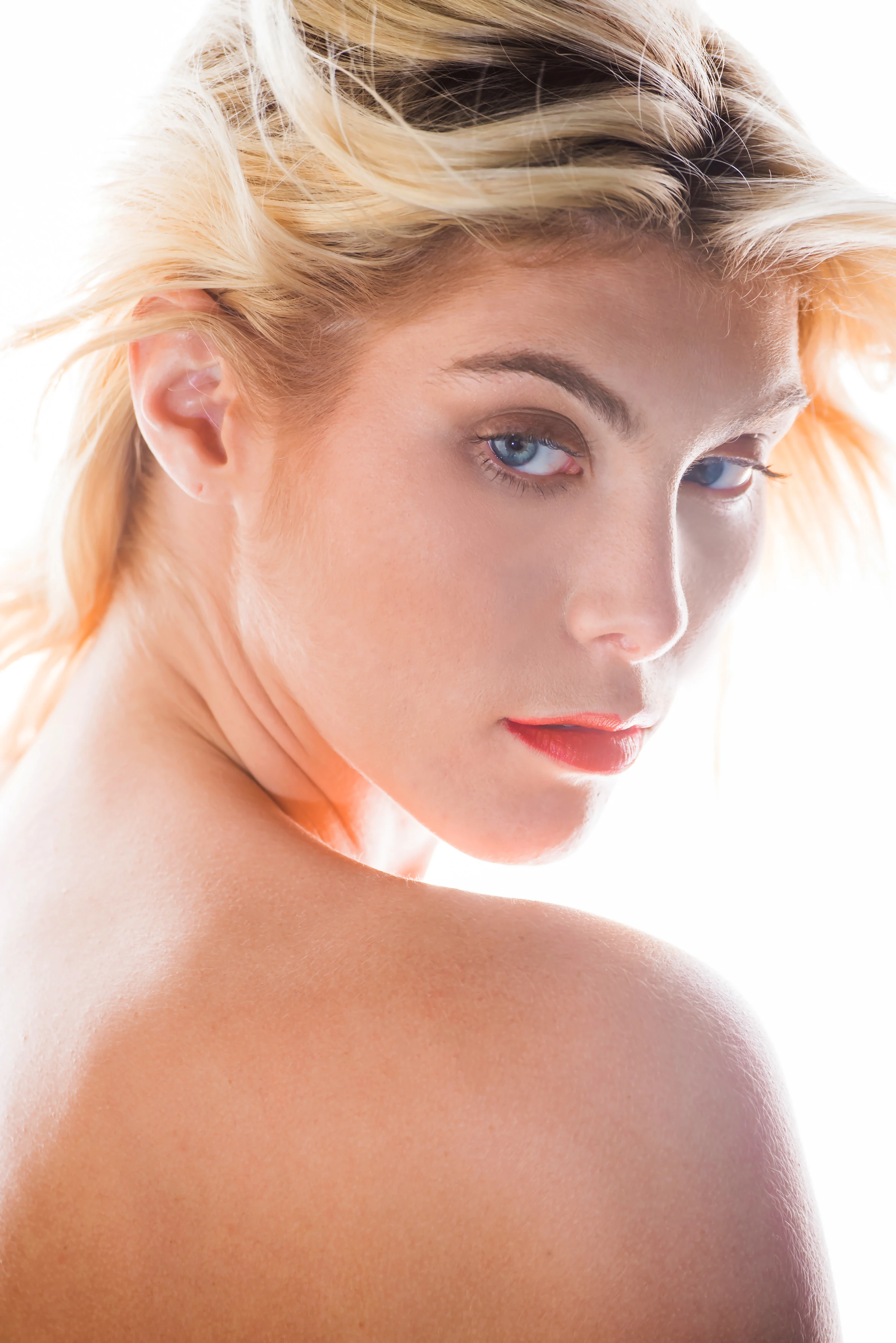
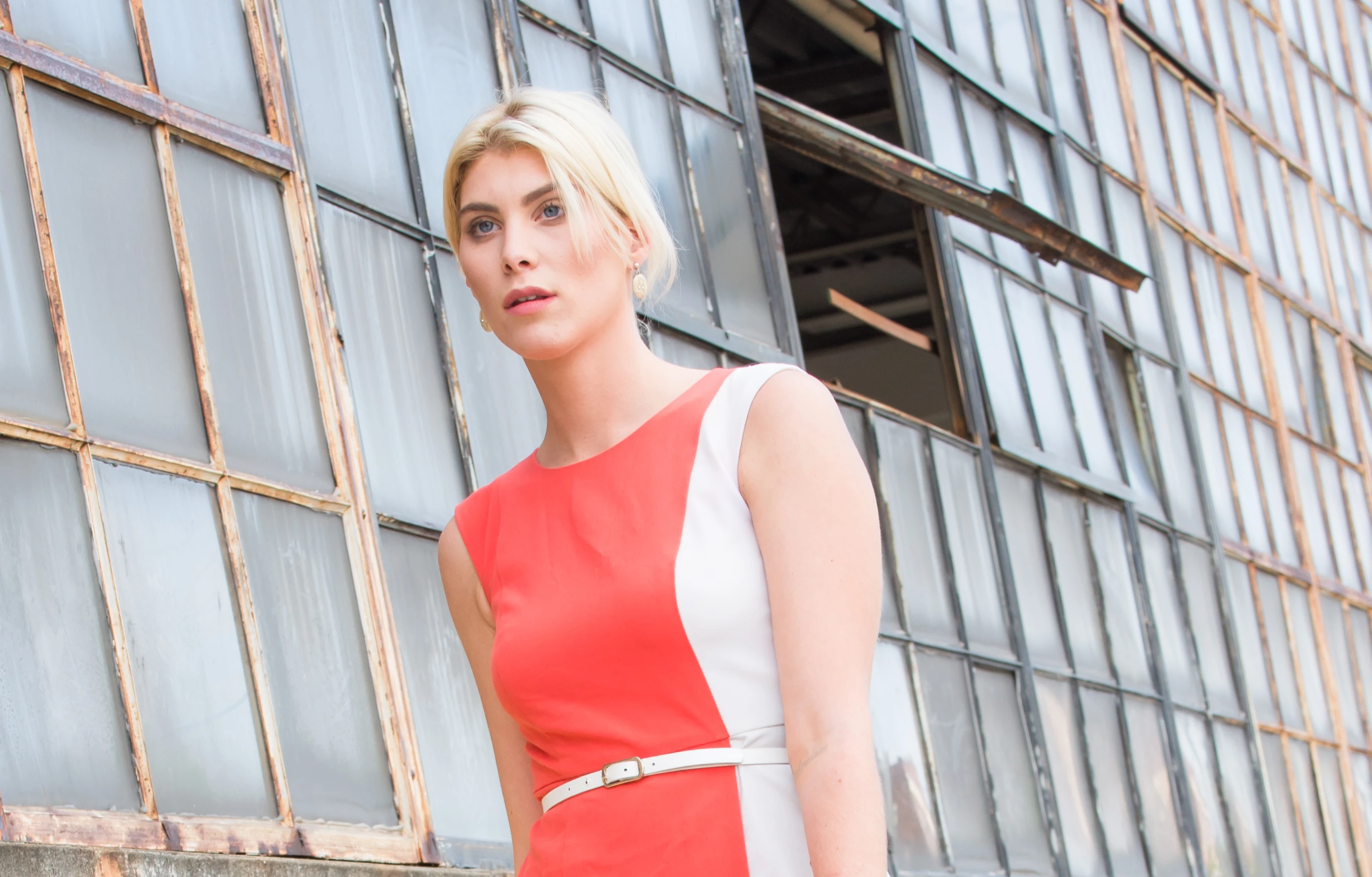
Large windows in older brick and warehouse spaces throw soft, directional light that feels natural and moody at the same time. It flatters skin, shows the texture of fabric and gives a quieter, more cinematic tone. Joe positions you relative to the glass so the light falls off gradually across the body. He has used this kind of light for fashion and beauty frames where texture matters more than color, and it pairs naturally with denim, knits, leather and linen.
Golden hour
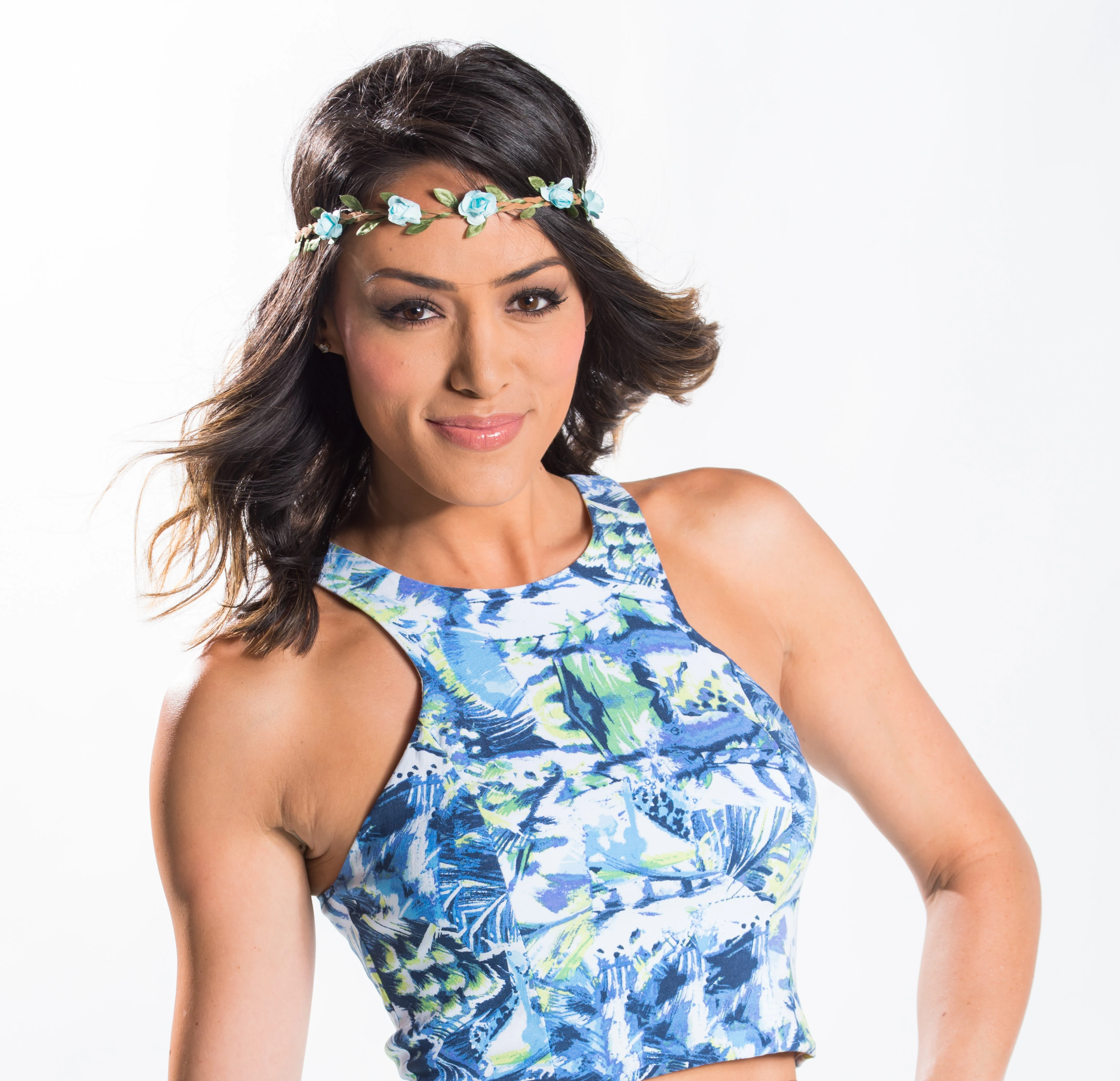
Outdoors, the hour before sunset turns everything warm. Hair catches backlight, skin glows and shadows stretch long. In Tampa that window shifts with the season, so Joe times location work around the actual sunset rather than a fixed clock time.
Different light reveals different sides of a face. Seeing you in all three tells a booker far more than any single setup can.
The order matters too. Joe usually starts in studio, where conditions are predictable and you can warm up, then moves to window light once you are relaxed, and finishes outdoors as the sun drops. By the time golden hour arrives, you are moving naturally and the best light meets your best energy. Ask any experienced fashion photographer. Tampa sunsets are short, and you want to be ready for them rather than still finding your angles.
Building a Comp Card Frame by Frame
Here is how Joe typically maps a comp card before the shoot, so nothing important is left to chance.
| Slot | Purpose | Typical approach |
|---|---|---|
| Front hero | Stop the viewer and show your strongest look | Beauty or editorial frame, studio color or golden hour |
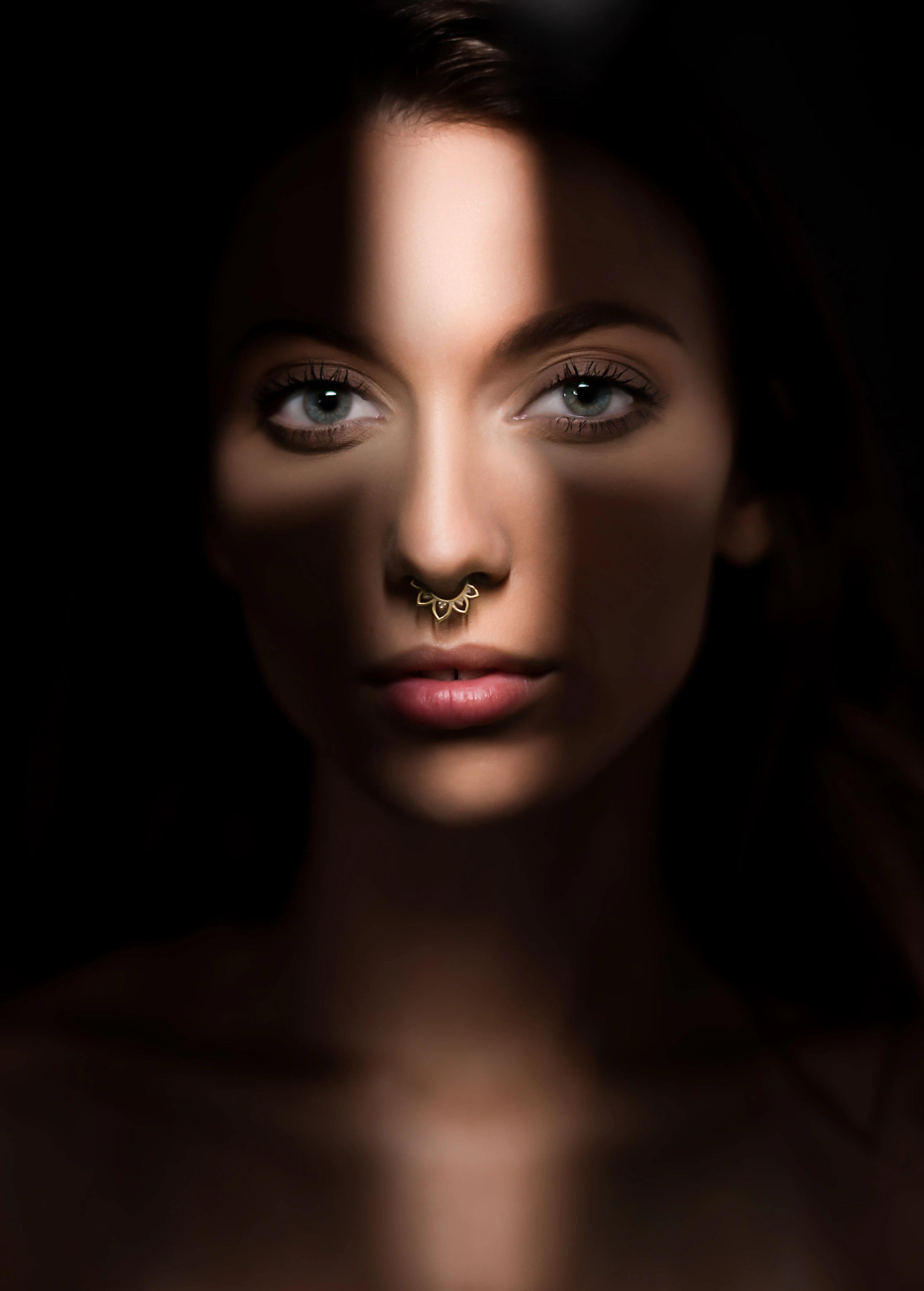
| Clean headshot | Show your natural face honestly | Minimal makeup, simple backdrop, even light |
| Full length | Show proportions and posture | Fitted outfit, neutral background, head to toe |
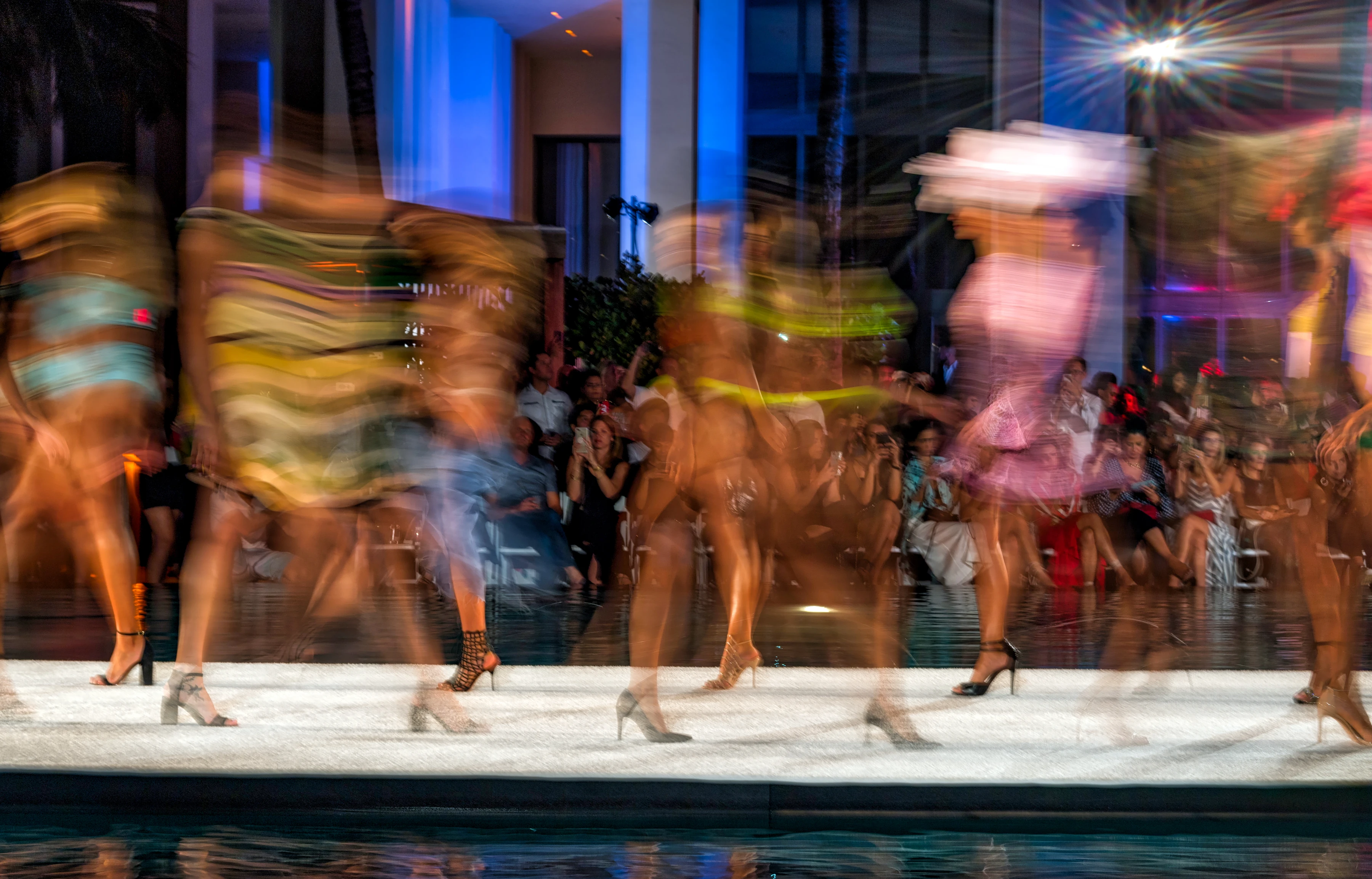
| Movement | Prove you can bring energy to a set | Walking, turning, fabric in motion |
| Character or mood | Show range beyond the default | Window light, moodier styling, a different expression |
Every slot uses a different outfit, pose and light so the card never repeats itself. The clean headshot and full length are non negotiable; many people skip them because they feel plain, but they are often the frames a booker looks at longest. A careful fashion photographer Tampa agencies see work from regularly will push you to include them.
Measurements and contact information come from you. Joe focuses on producing images that match what is written on the card, so there are no surprises when you walk into a casting.
Update the card when your look changes. A new haircut, a significant change in hair color or simply a year or two of growing up can make an older card misleading. Refreshing a single slot is often enough, and because Joe keeps notes on the light, new frames can sit next to older ones without clashing.
Tampa Locations With Real Fashion Texture
Tampa is not New York or Miami, and that is an advantage. Its textures are less overused, so a well planned location reads fresh in a portfolio.
- Ybor City. Red brick, wrought iron balconies, painted murals and old cigar factory facades along and around Seventh Avenue. Joe knows the neighborhood well from his multiple exposure art blends of Ybor neon, murals and roosters. See the Ybor City photographer page.
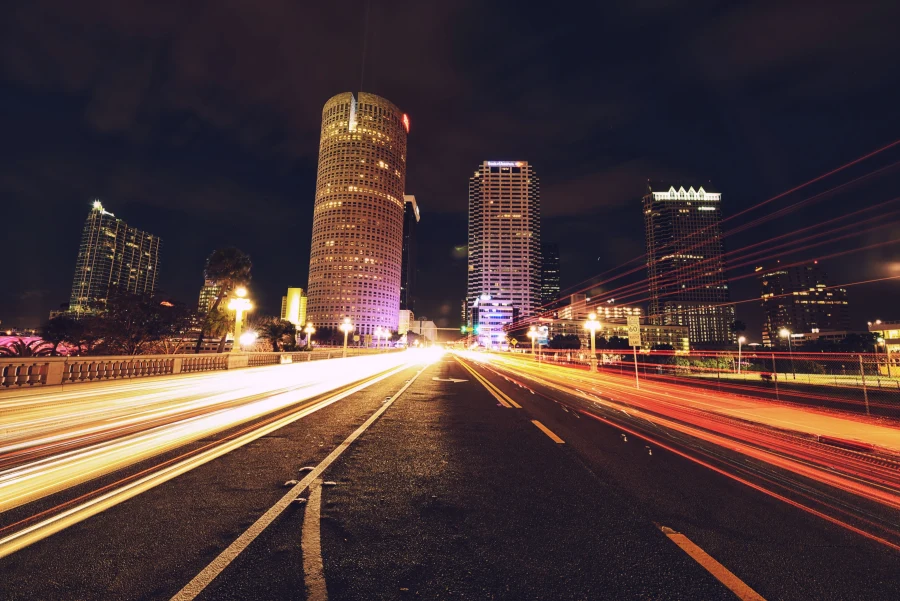
- Downtown and the Riverwalk. Glass, steel and water. Clean lines suit sharp tailoring and minimal styling. The downtown Tampa and Riverwalk shoot guide covers timing.
- Bayshore Boulevard. A long waterfront sidewalk with a balustrade and open western sky, ideal for flowing fabric at golden hour. More on the Bayshore Boulevard shoots page.
- Sparkman Wharf and Channelside. Colorful container storefronts and port views for streetwear and casual looks.
Some locations are private property or busy public spaces, so Joe plans around crowds and rules ahead of time. Weekday mornings in Ybor, for example, are calm in a way Saturday nights never are.
Armature Works, the restored streetcar building on the river north of downtown, is another favorite texture for its brick, arches and big windows, though as a busy private venue it calls for coordination. For a fashion photographer Tampa locations like these are valuable precisely because they mix old industrial bones with modern life, and that tension photographs beautifully against tailored or minimal clothes.
Any fashion photographer Tampa clients trust with a location day should also have a weather plan. Joe builds in a covered fallback or a studio backup so a summer storm becomes a change of scenery rather than a lost day.
Good local references while you plan: the City of Tampa website covers parks, public spaces and event calendars in Tampa, and Joe watches the National Weather Service Tampa Bay forecast to time outdoor sessions around summer storms and the best light.
Beauty Close Ups and the Glass Behind Them
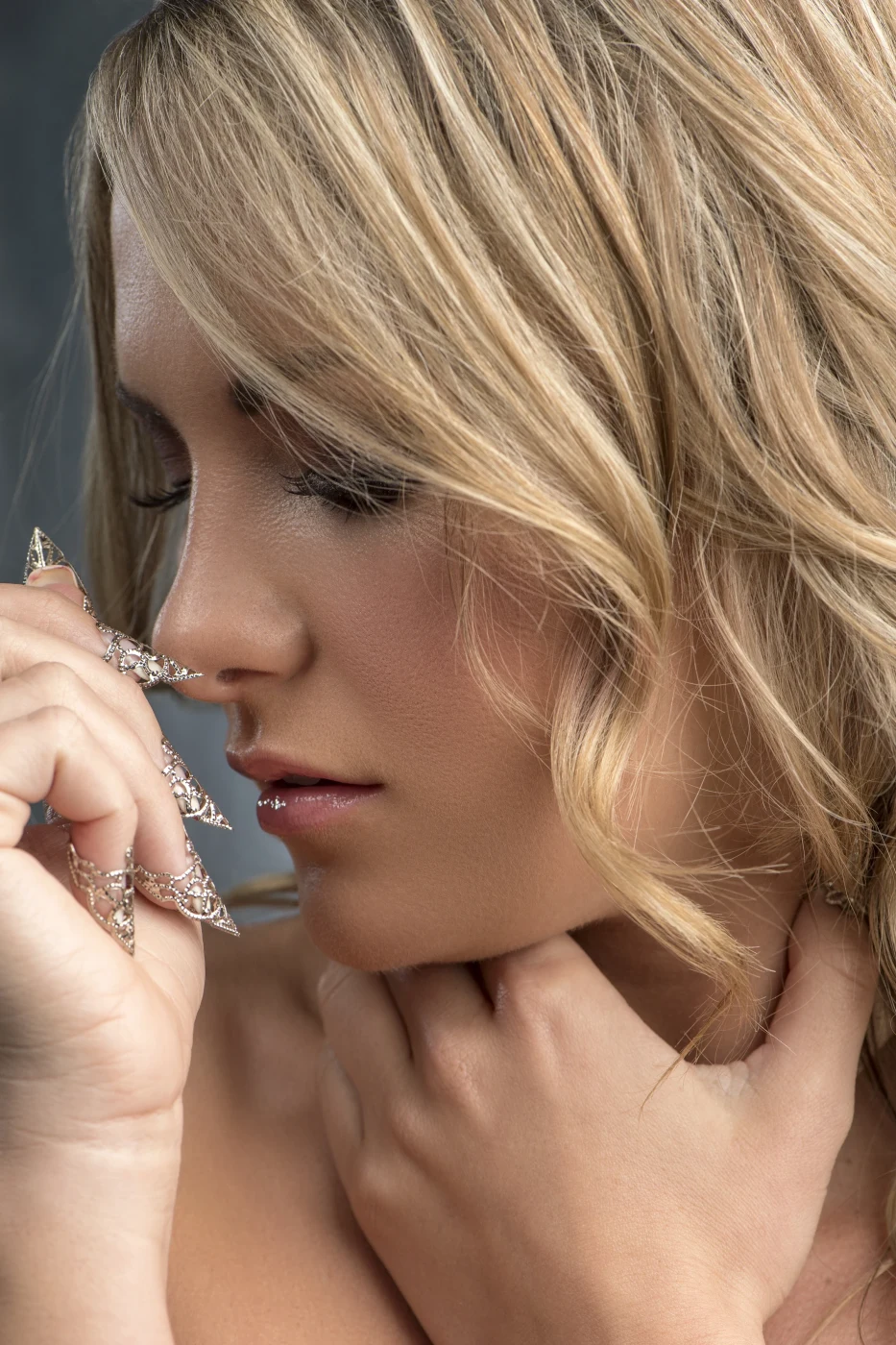
Beauty work is the most demanding kind of fashion photography because every pore, lash and highlight is visible. It is also where gear choices matter most.
Lenses
For tight beauty frames, Joe often uses a 105mm f/2.8 that can focus close enough to fill the frame with eyes and lips while keeping proportions natural. The 85mm f/1.4 and 58mm f/1.4 handle head and shoulders with a softer falloff. Outdoors, the 70-200mm f/2.8 and 180mm f/2.8 compress the background into smooth color so the model pops.
Bodies
He shoots on Nikon bodies including the D5, D6 and D750, which handle both studio strobes and fast moving outdoor sessions with reliable focus.
Retouching for beauty
Retouching is done by hand. Joe cleans up temporary blemishes, stray hairs and makeup flaws, then keeps real skin texture. Over smoothed skin looks dated and, for models, misleading. Any booker who meets you will notice the gap immediately. A fashion photographer Tampa casting teams can trust delivers images that match the person who arrives on set.
Settings shift with the job. In studio, Joe keeps ISO low and lets strobes freeze motion, so even a hair flip stays sharp. Outdoors at golden hour he opens the aperture to soften the background and lets the sun rim light the hair. Knowing when to change the recipe is what experience in a fashion photographer Tampa clients hire really looks like.
If you are bringing a makeup artist, tell Joe beforehand so they can coordinate on looks that photograph well under each type of light.
Wardrobe, Styling and Your Team
You do not need a stylist for a great portfolio, but you do need a plan. After your planning call, Joe sends wardrobe guidance based on the looks you have chosen.
- Fitted basics first. A black or nude fitted outfit for the full length frame, plus simple jeans and a plain top.
- One statement piece per look. A bold coat, a textured dress or a sharp suit, chosen to suit the light.
- Steam everything. Wrinkles show up far more on camera than in a mirror.
- Bring shoes for each outfit, even if the frame may crop them out.
- Keep nails neutral and clean for hand shots and beauty frames.
- Hair and makeup. Start natural for the clean headshot, then build up for editorial looks.
Joe directs posing throughout, and the session moves from simple to complex so you warm up before the hardest frames. Newer models often find that the first ten minutes feel awkward and the last half hour feels like play. That progression is normal and planned for.
Posing you can repeat at castings
Joe explains why each pose works: weight on the back foot, chin forward and down, hands soft rather than flat. Those cues are useful long after the shoot, because they are the same small adjustments a casting director will ask for. Leaving with a few reliable poses is almost as valuable as leaving with good pictures.
For clients under 18, a parent or guardian should attend and be part of the planning call.
Lookbooks and Campaigns From a Fashion Photographer Tampa Brands Use
The same skills that build a model book serve local labels, boutiques and designers. A lookbook is a portfolio for clothes instead of a person: consistent light, clear fit, and a mood that tells shoppers who the brand is for.
Consistency across a collection
For product pages, every garment needs matching light and framing so shoppers can compare. Joe sets a repeatable studio recipe for those frames, the same way he does for team headshots, then adds editorial location images for social and campaign use.
Campaign imagery
For launches, a location shoot in Ybor or along the water gives a story behind the clothes. Combining studio product frames with location campaign images in one plan saves time and keeps color consistent. Joe's brand and commercial photography page shows that broader commercial work, and the commercial and product photographer in Tampa page covers product sets in detail.
Delivery comes through a private online gallery, sized for web, social and print, so your designer and your social team can each grab what they need.
Smaller labels often worry that a professional shoot is out of reach. The planning call is where Joe scales the plan to your collection, whether that means a focused studio day for a handful of pieces or a broader campaign with models and locations. A fashion photographer Tampa boutiques can plan with step by step keeps the scope honest and the results usable.
Booking Your Fashion Photographer Tampa Session
- Planning call. Share your goals, a few reference images and any agency or brand direction you have received.
- Look list. Joe proposes looks and lighting, studio color, window light, golden hour, mapped to your portfolio or comp card slots.
- Wardrobe guidance. You receive specific clothing and grooming notes.
- The shoot. Directed posing, live adjustments and a pace that builds confidence.
- Retouching and delivery. Hand retouched images arrive in a private online gallery.
Browse Joe's fashion, beauty and portrait work in the portfolio and the fashion, beauty and model portfolio service page. When you are ready, book a planning call on the booking page or call or text 813-417-2626. For everything else Joe photographs in the city, visit the main Tampa photographer page. You can also follow new work on Instagram at @jsalephotography.
Come to the planning call with a short list of images that excite you, from magazines, campaigns or other models' books. Joe will not copy them, but they show him the energy you want, and they make it far easier to agree on looks, lighting and locations before anyone steps in front of the camera.
Fashion Photographer Tampa: Frequently Asked Questions
What should be in a beginner model portfolio?
Start with a clean, natural headshot and a full length image in fitted clothing, both on simple backgrounds. Add a few frames that show movement, different moods and different light, such as studio color, window light and golden hour. Fewer strong, varied images beat many similar ones, and every frame should look like you do today. A fashion photographer Tampa newcomers trust will help you edit ruthlessly.
What is a comp card and do I need one?
A comp card is a compact printed or digital sheet with a hero image on the front, several supporting images on the back, and your measurements and contact details. Models use them at castings and to introduce themselves to agencies and clients. If you plan to pursue modeling seriously, having one makes you easier to book, and Joe can plan it alongside your portfolio.
Where can I do a fashion photoshoot in Tampa?
Popular spots include Ybor City for brick, murals and iron balconies, downtown and the Riverwalk for modern glass and water, Bayshore Boulevard for waterfront golden hour, and Sparkman Wharf for colorful container storefronts. Joe also works in his own studio for controlled color and as a weather backup during the summer storm season.
Should I hire a makeup artist for a fashion shoot?
It helps, especially for beauty close ups and editorial looks, though it is not required for every session. A clean natural look works for the headshot and full length frames. If you bring an artist, Joe coordinates with them ahead of time so each look suits the lighting planned for it.
Can a brand book a lookbook shoot instead of a model portfolio?
Yes. Joe photographs lookbooks and campaigns for labels and boutiques, combining consistent studio frames for product pages with location images for social and launch materials. Start with a planning call to map the collection, the number of looks and where the images will be used, then he builds a shot plan around that, including studio and location frames.
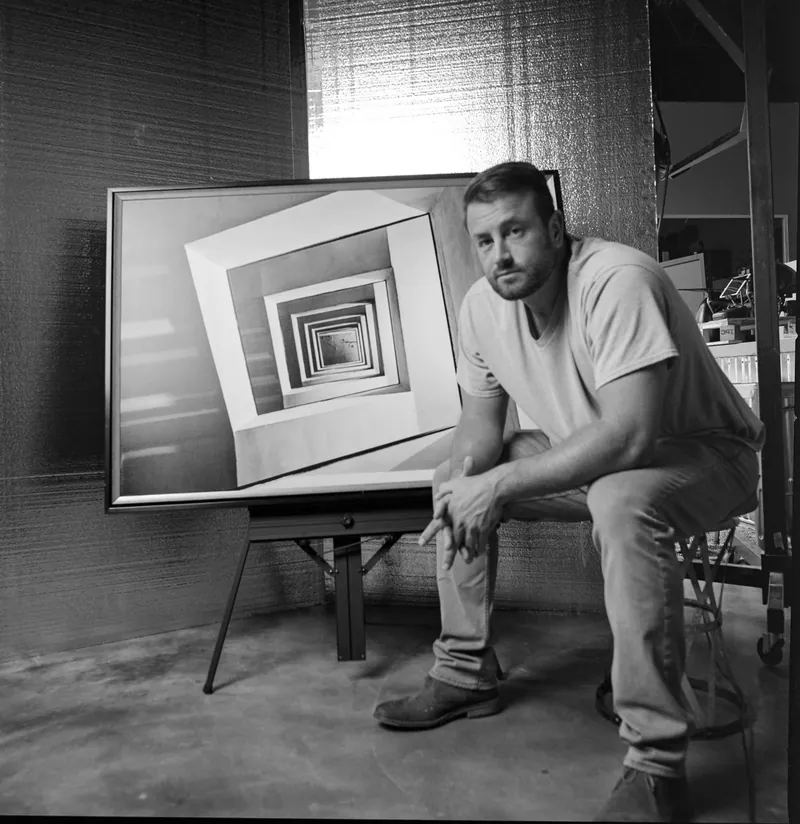
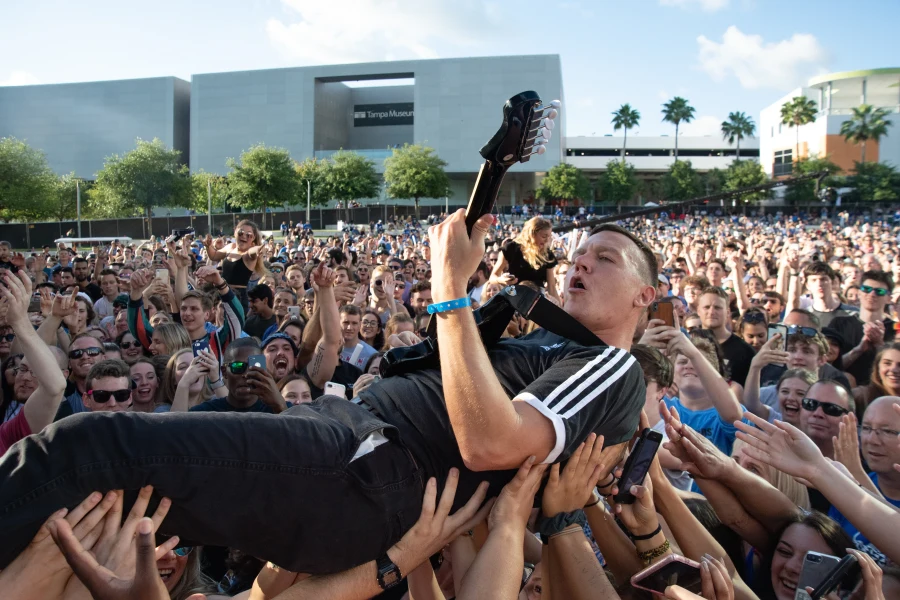
About Joe SaleJoe is a Tampa Bay photographer and fine artist who shoots portraits, live music, brands and the city itself. See more on the about page, browse the portfolio or book a shoot.