 By Joe Sale · Photographer & fine artist · Reviewed and updated October 2026
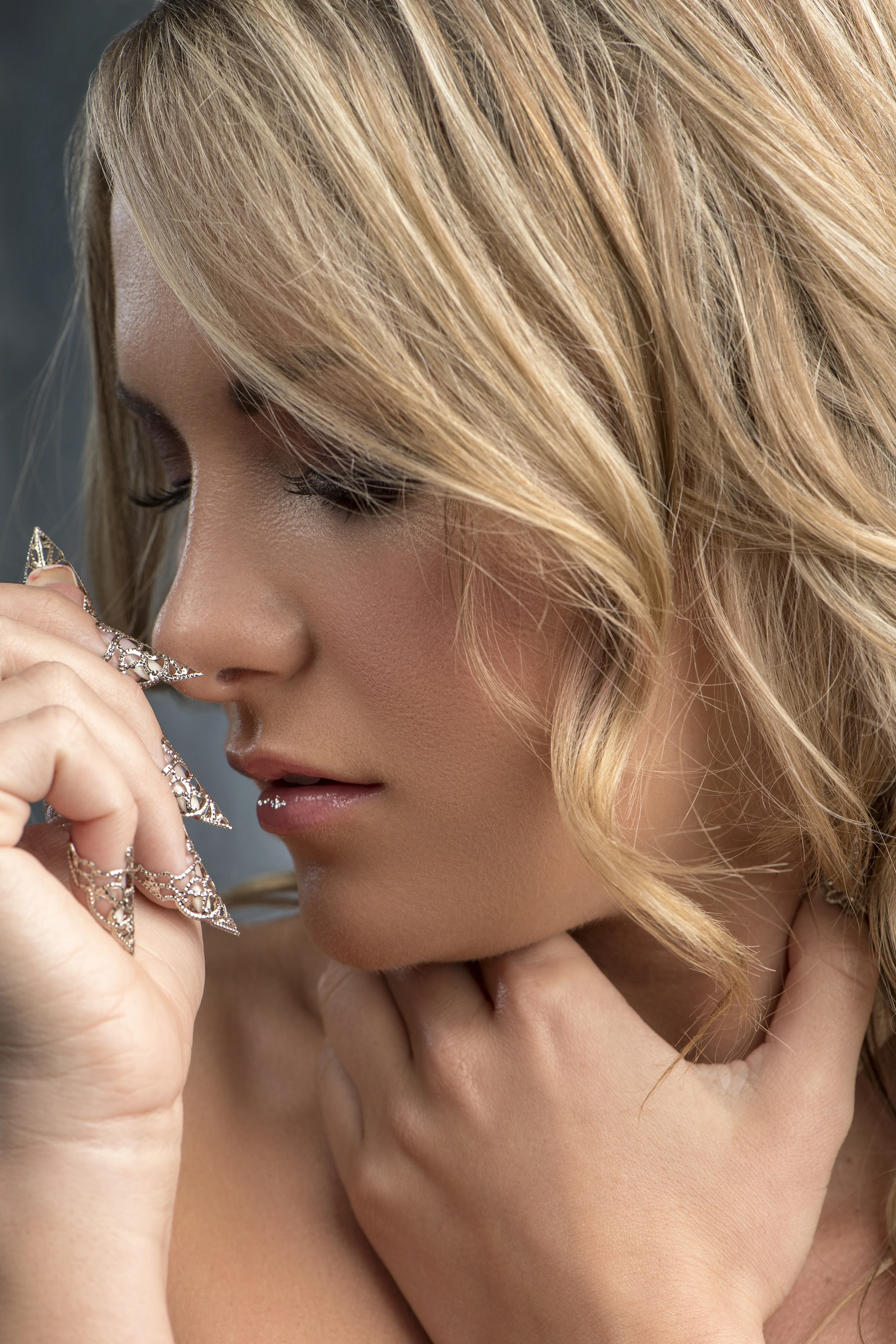
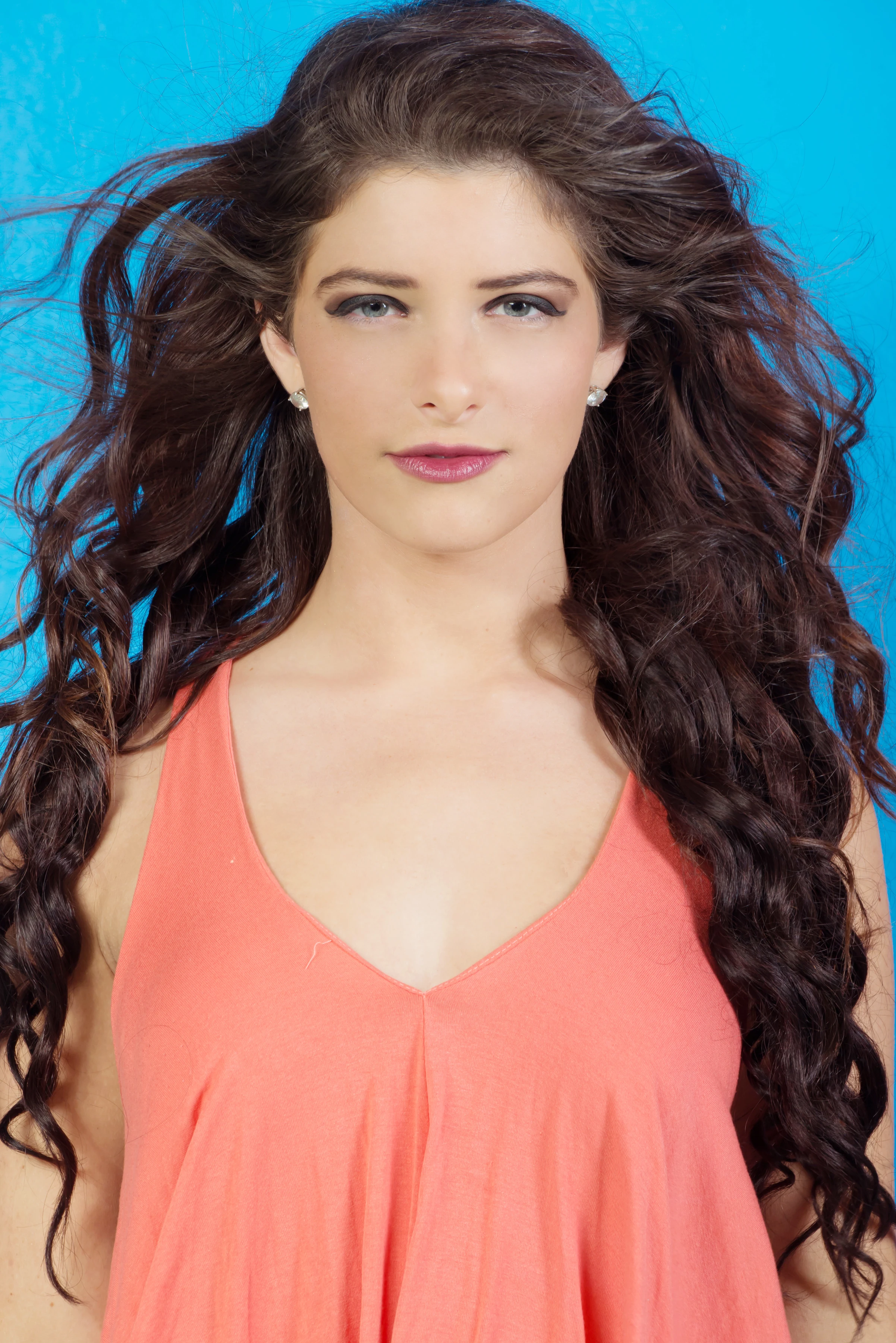
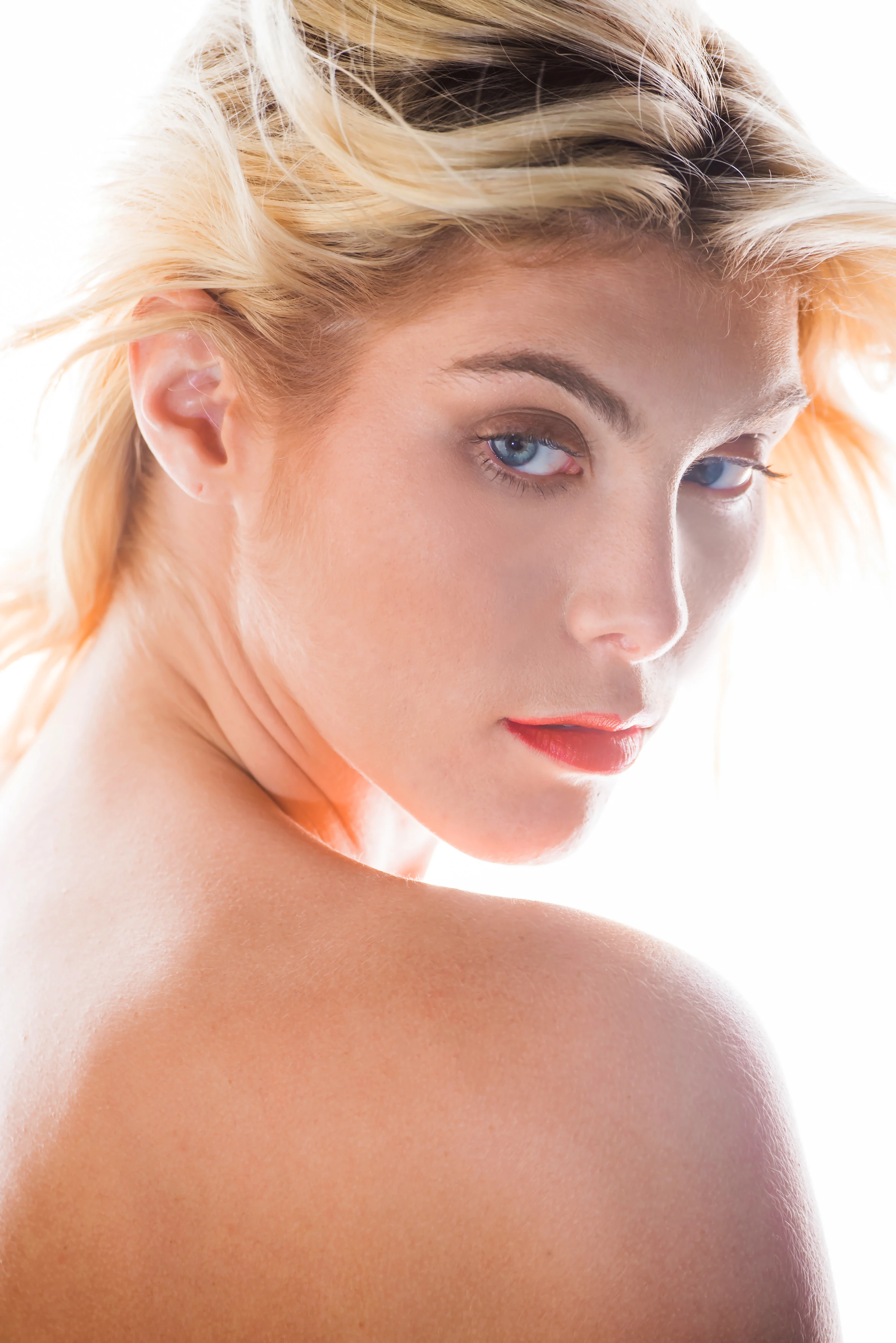
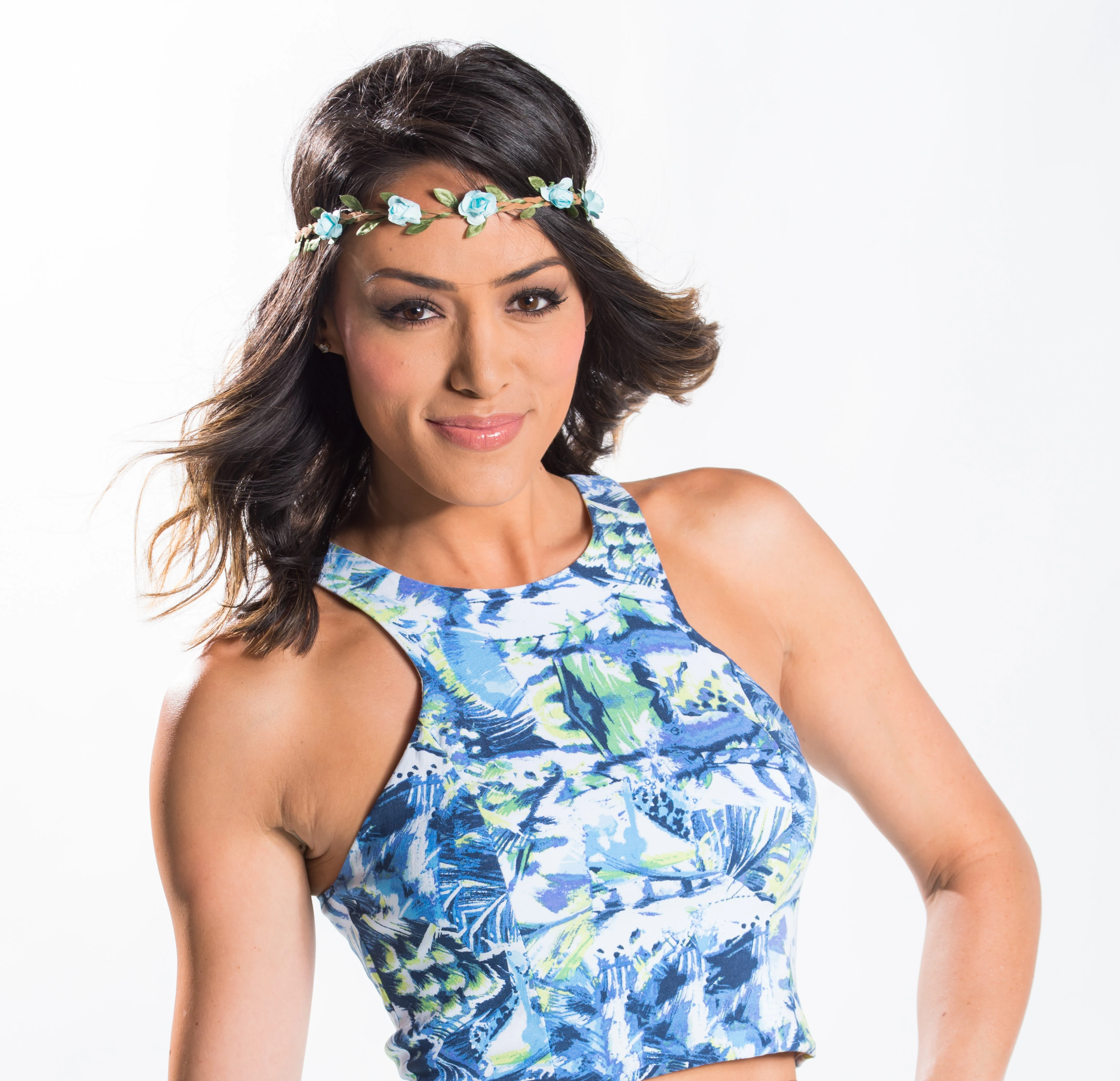
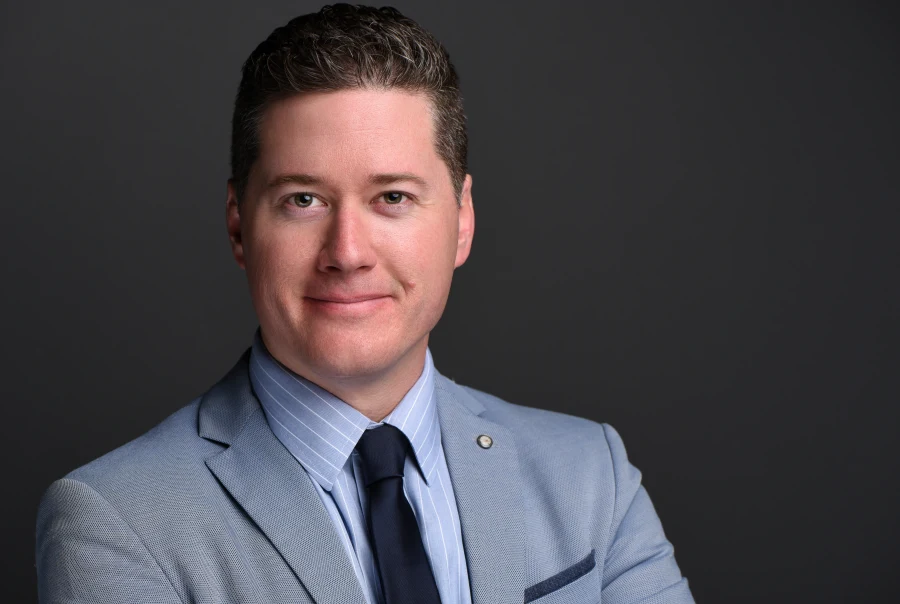
A fashion photographer near me search usually comes from someone with a deadline: an agency asked for fresh images, a boutique is launching a collection, or a new model has realized phone snapshots will not get callbacks. Joe Sale, a Tampa Bay photographer and fine artist, shoots fashion and beauty in his own studio and at locations from Ybor City to the Gulf beaches.
This guide is organized around the decisions that shape a strong book: which lighting looks to include, what a comp card needs, where to shoot, how to prepare wardrobe and makeup, and what happens after the last frame.
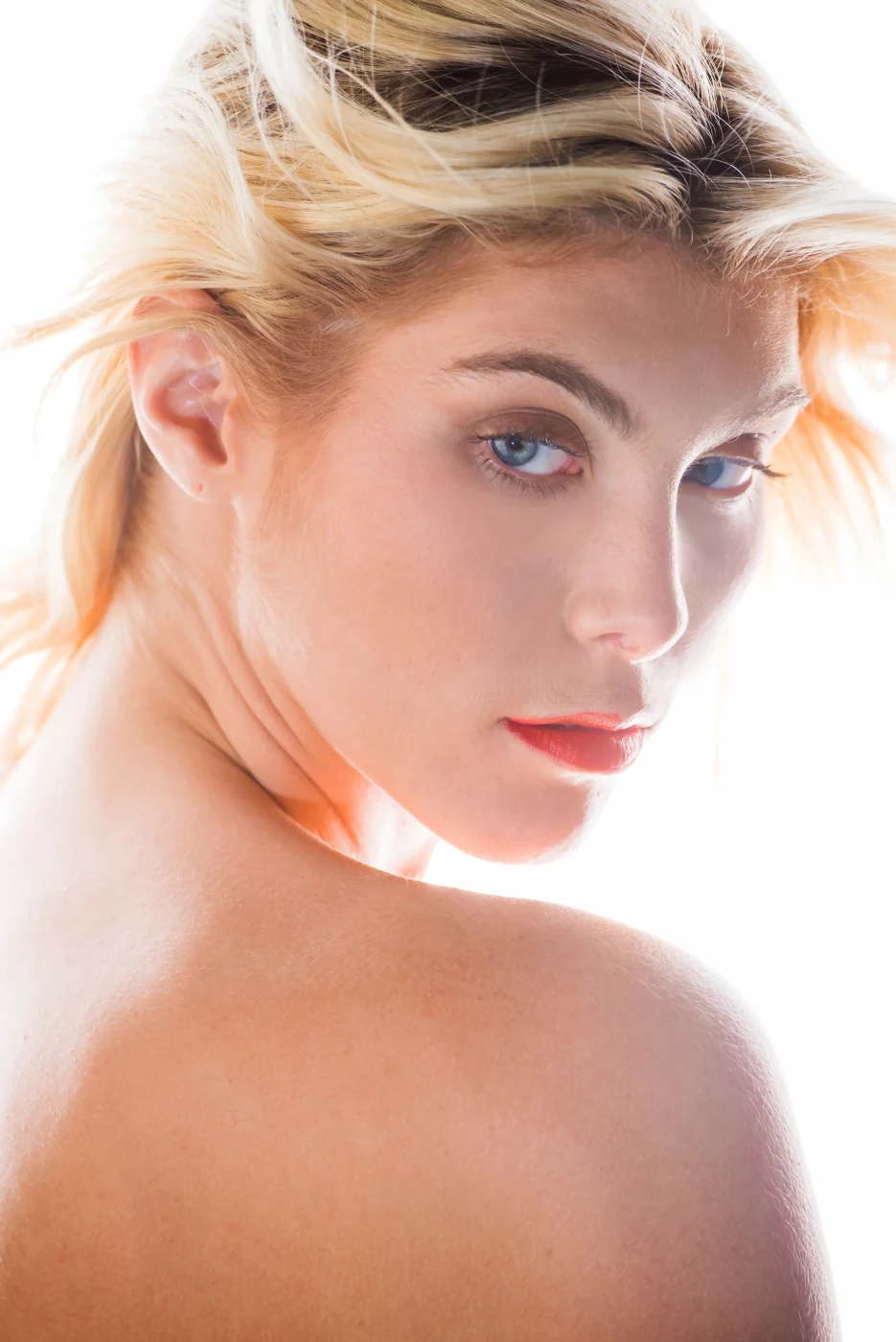
If you need a fashion photographer near me in Tampa Bay, Joe Sale creates model portfolios, comp cards and beauty images in studio color, industrial window light and golden hour. He works in his own studio and on location across the region. Text 813-417-2626 or schedule a fashion session.
Who Hires a Fashion Photographer Near Me in Tampa Bay
Fashion work is not one job. The same camera and lights serve very different goals depending on who is standing in front of them, and the planning call starts by figuring out which group you belong to.
- New models who need a first portfolio that shows range, proportion and the ability to take direction.
- Working models refreshing a book with a new haircut, a new market in mind, or a look the current images do not cover.
- Designers and boutiques who need clothing shown on a person, styled for a lookbook, social posts or a website.
- Makeup artists and hairstylists building tear sheets that prove their skills under close, revealing light.
- Creators and performers who want editorial portraits with more attitude than a standard headshot.
For boutiques and labels, the work overlaps with commercial photography, so the page on brand and commercial photography is worth a look. For models and beauty professionals, the core details live on the fashion, beauty and model portfolio service page.
Knowing the audience changes the shoot. An agency scout wants clean, honest images where your face and figure are easy to read. A boutique wants the fabric to look touchable. A makeup artist wants every blended edge visible. Joe adjusts lens, light and pacing for each of those.
The search itself can be tricky. Typing fashion photographer near me returns a mix of event shooters, family photographers and studios that rent space by the hour. A better filter is the portfolio: does it show real fashion and beauty work, made in more than one kind of light, with people who look confident rather than stiff? That is the standard Joe holds his own work to.
Studio Color, Window Light and Golden Hour
Joe's fashion and beauty work tends to fall into three lighting families. A varied portfolio usually includes at least two of them, because they show different sides of the same person.
Studio color
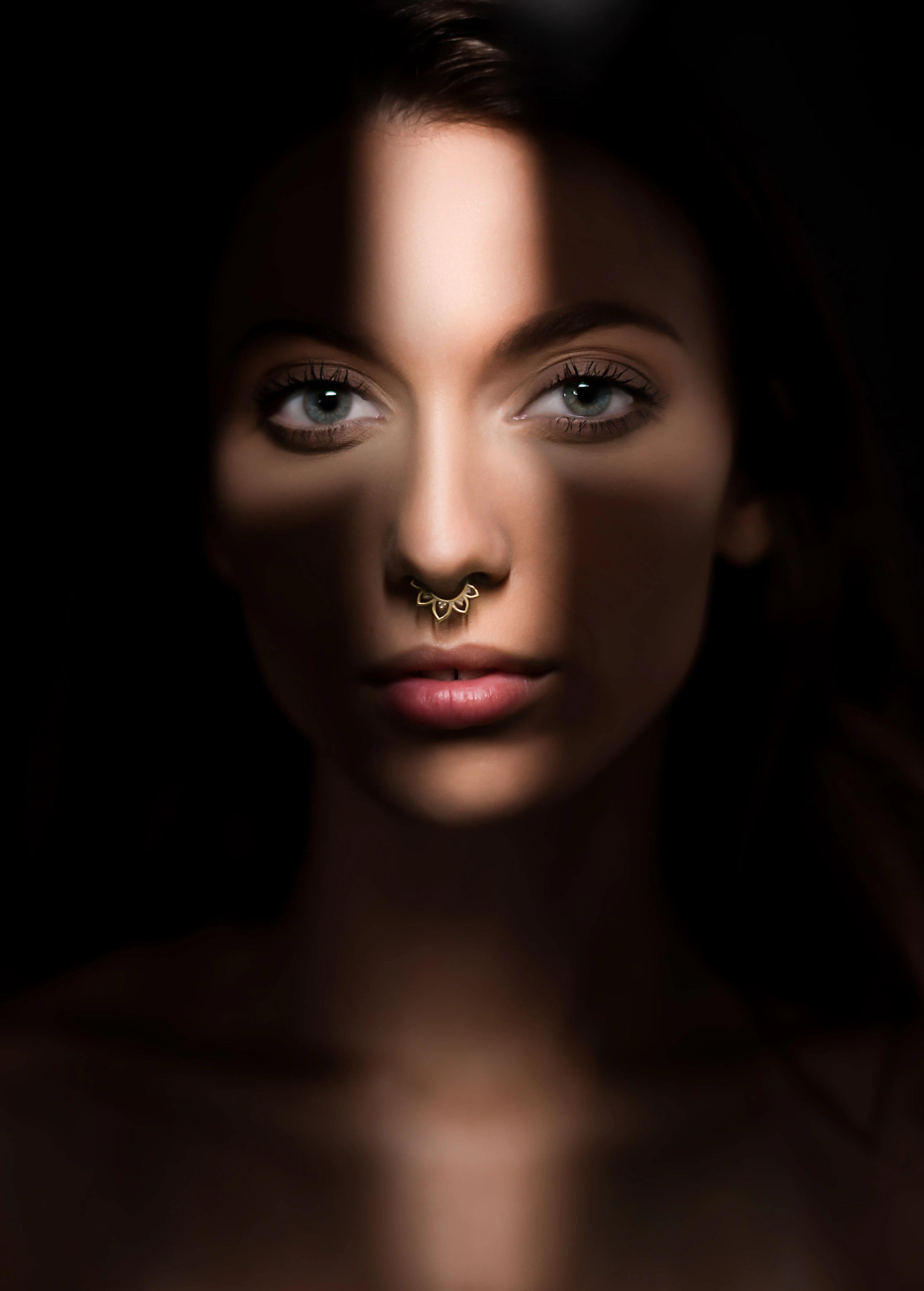
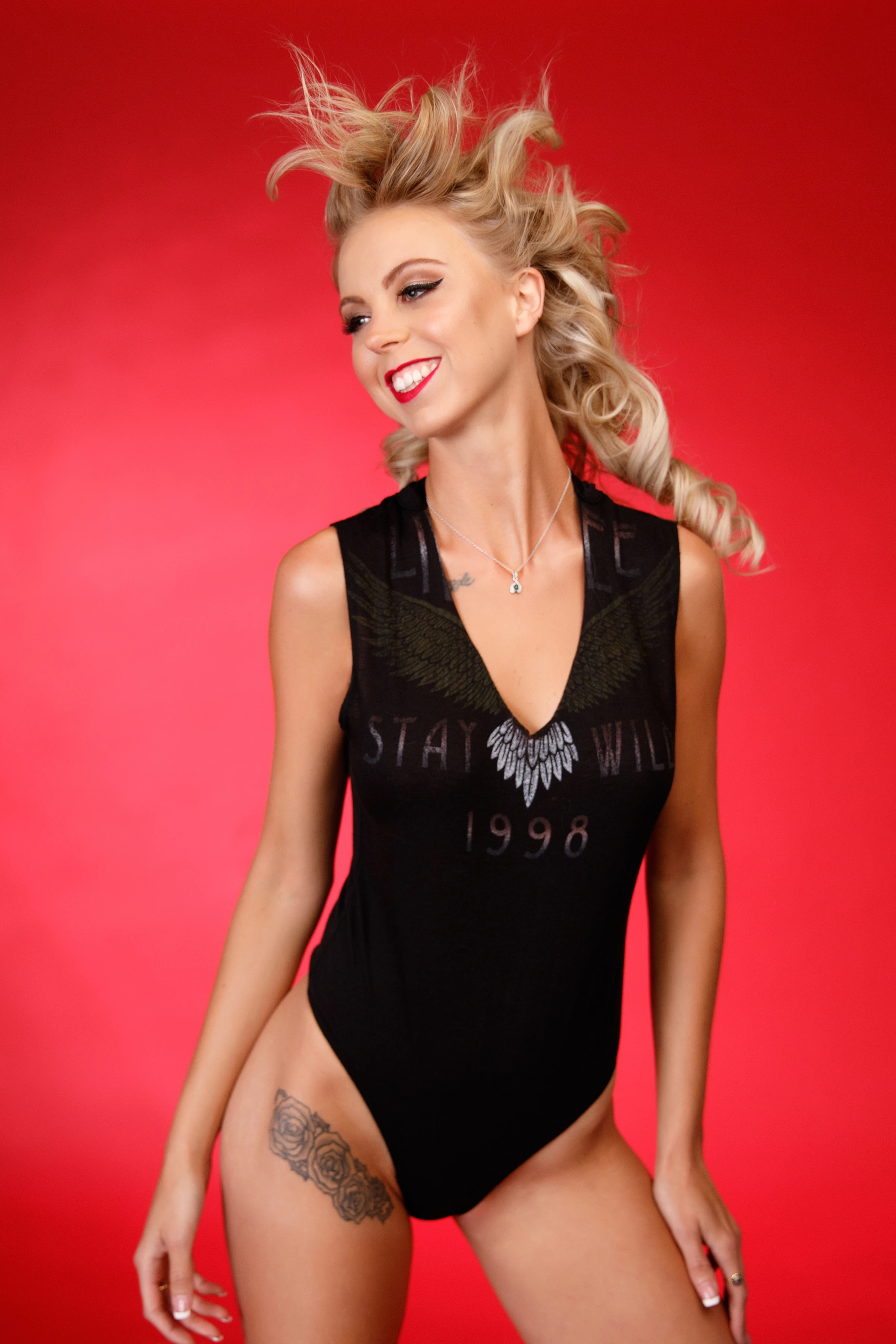
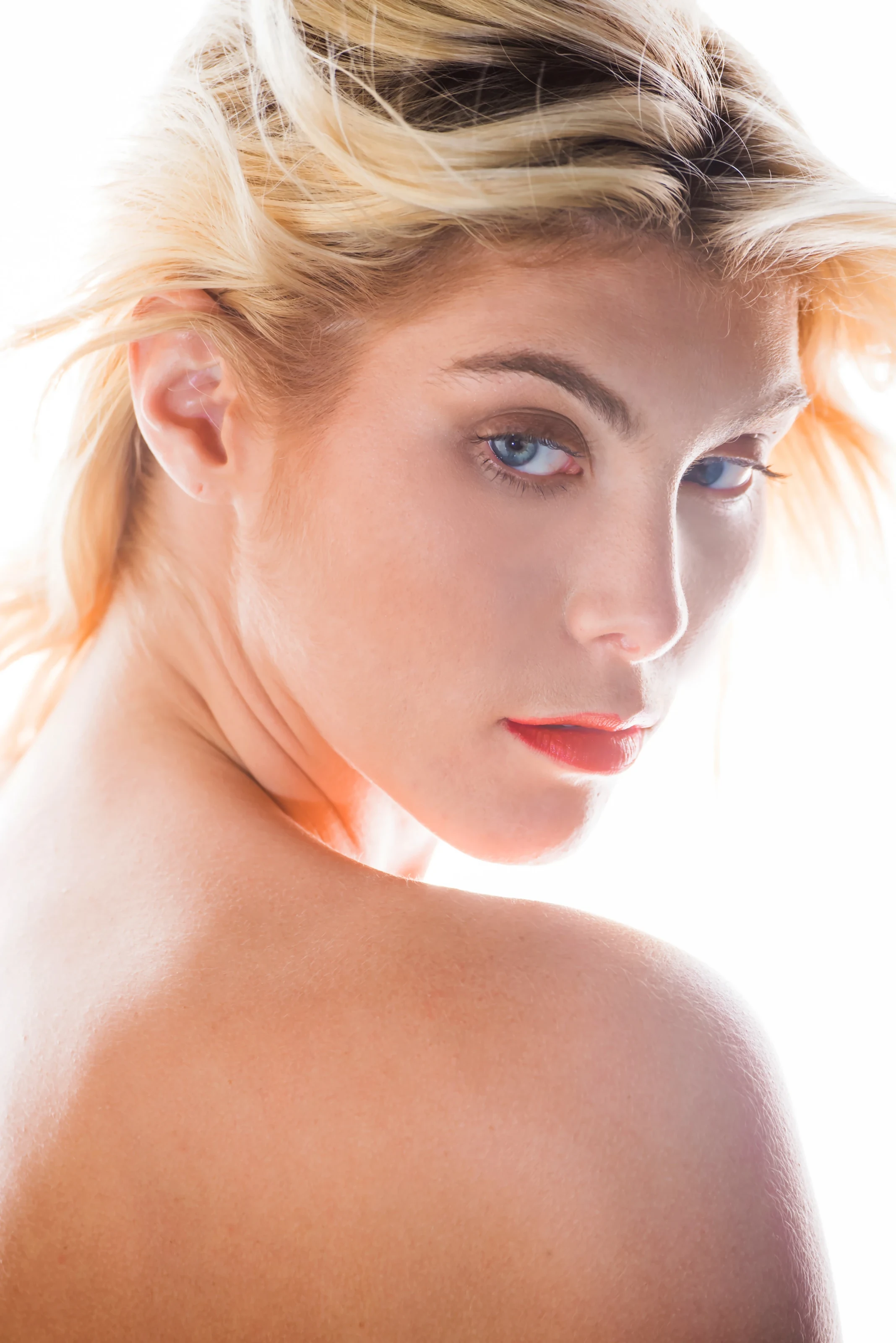
Seamless backdrops, gelled lights and controlled strobes produce bold, graphic images. Color can be used to echo an outfit, contrast with skin tone or create a mood that would be impossible to find outdoors. This is where beauty close-ups shine, because every catchlight and shadow is placed deliberately.
Industrial window light
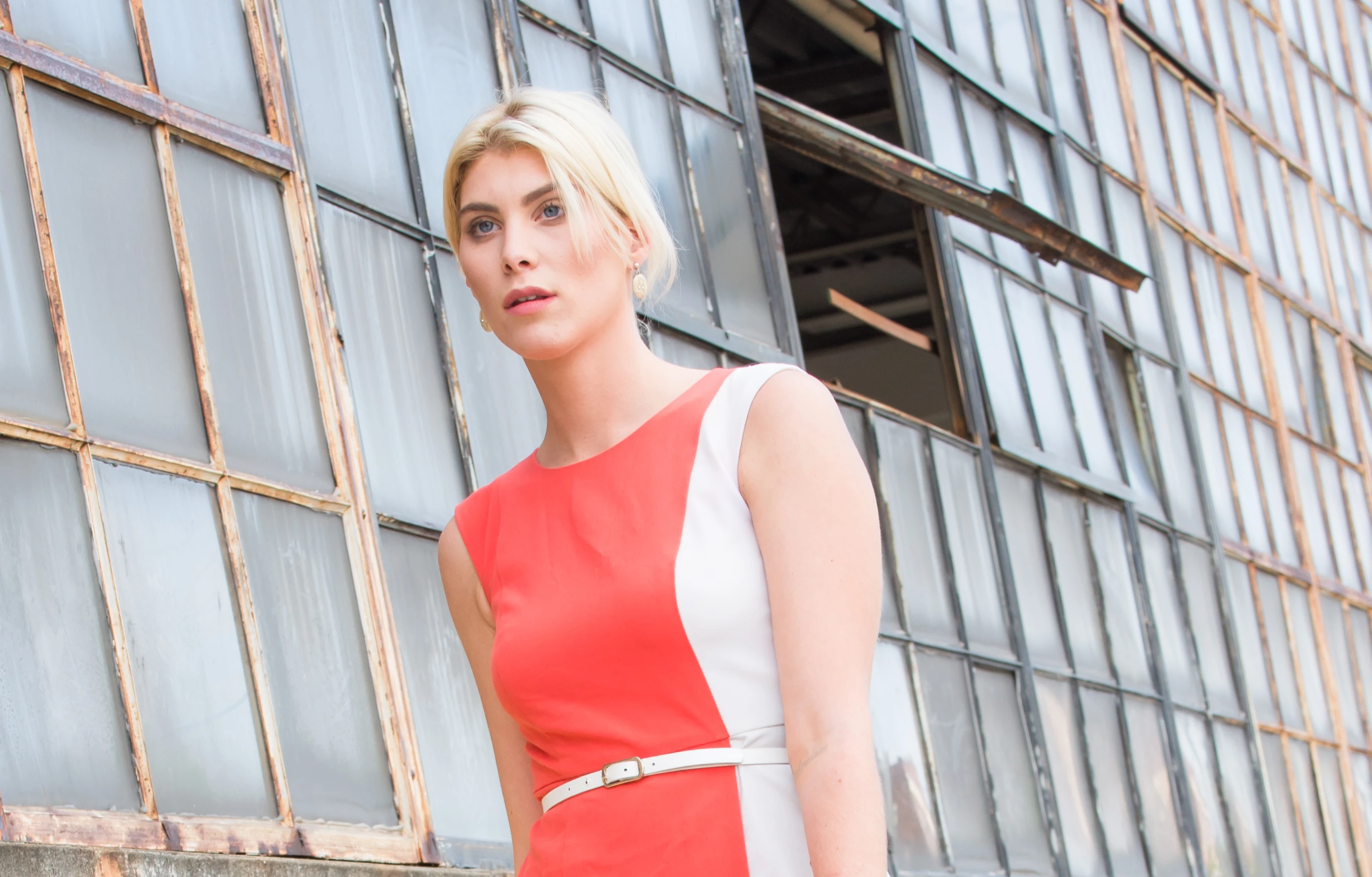
Large windows in raw, textured spaces give a soft, directional light that feels editorial and unforced. Brick, concrete and steel add grit without stealing attention. This look flatters movement and works beautifully in black and white.
Golden hour
The low sun just before sunset wraps warm light around hair and skin and turns ordinary streets or beaches into glowing backdrops. It is the most flattering natural light on the Gulf Coast, but it moves fast, so Joe plans poses and outfit changes in advance to use every minute.
Mixing families inside one session is common. A model might start in the studio with clean frames, then finish outdoors as the light turns gold. You can see examples of each approach in Joe's recent portfolio.
Each family also tells a slightly different story about you. Studio color says polished and commercial. Window light says editorial and thoughtful. Golden hour says warm and approachable. A booker flipping through your images should see all three moods, which is why a good fashion photographer near me will plan the sets around the impression you want to leave rather than simply shooting whatever is convenient.
Building a Comp Card That Opens Doors
A comp card, sometimes called a zed card, is a printed or digital sheet that agencies and casting teams scan in seconds. It usually pairs one strong headshot on the front with several full-length and styled images on the back, plus your measurements and contact details from your agency.
Because it is so condensed, every image has to earn its place. Joe shoots comp card sessions with the final layout in mind, aiming for variety without repetition:
- A clean, front-facing headshot with minimal makeup, so a client sees your actual features.
- A full-length frame in fitted, simple clothing that shows proportion clearly.
- A three-quarter or profile angle that highlights bone structure.
- A styled editorial image with more personality, often from the window light or golden hour set.
- A movement or lifestyle frame that proves you look natural when you are not standing still.
If you already have an agency, bring their guidelines. Some markets prefer certain crops or a particular number of images, and it is easier to shoot to the spec than to force a layout afterward. If you are just starting, Joe will help you choose images that represent you honestly, which is what agencies are actually looking for.
Digitals, sometimes called polaroids, are a related request. These are simple, unretouched snapshots against a plain wall in form-fitting clothing, and many agencies ask for them alongside a styled book. They take only a few minutes at the start of a session, so it is worth adding them while the lights are already set.
Tampa Bay Locations That Photograph Like Editorials
One advantage of working with a fashion photographer near me who knows the region is access to a surprising variety of backdrops within a short drive. Here are a few that suit fashion work, along with the light that makes them sing.
| Location | Feel | Best light |
|---|---|---|
| Ybor City | Historic brick, iron balconies, neon signs and murals | Late afternoon shade, then neon after dark |
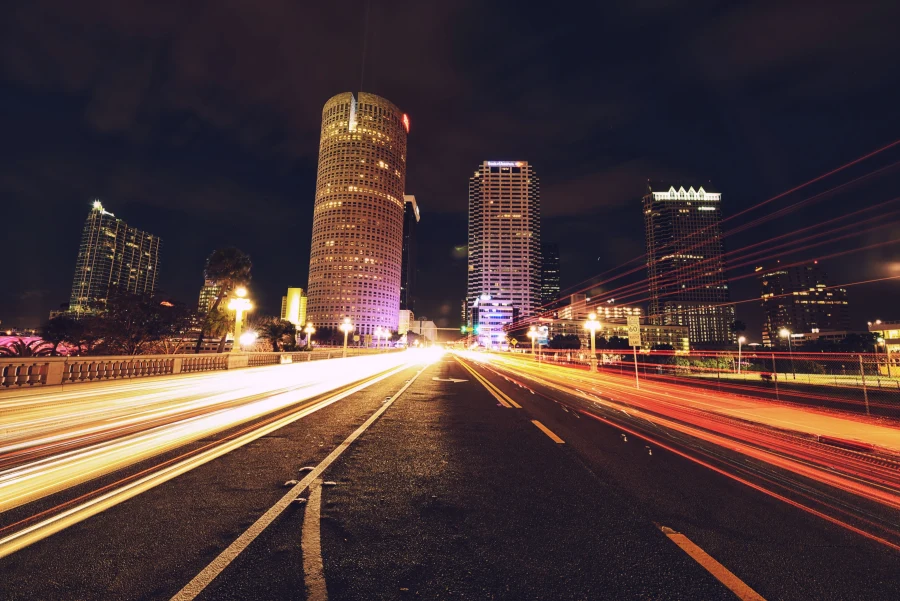
| Downtown Tampa Riverwalk | Glass, steel and river reflections | Blue hour, when city lights balance the sky |
| Bayshore Boulevard | Long balustrade with open water | Early morning light off the bay |
| St. Pete Beach | White sand and Gulf horizon | Golden hour into sunset |
| Downtown St. Pete | Painted walls and colorful streets | Open shade between buildings |
Ybor City has a special place in Joe's portfolio. He has made multiple-exposure art blends of its neon, murals and famous roosters, so he knows how the district looks at different hours. The Ybor City photographer guide covers more detail. For a beach look, see the page on St. Pete Beach photography, and for a waterfront promenade, the Bayshore Boulevard photo shoot page.
When the weather does not cooperate, the Tampa photography studio is the fallback, which keeps a shoot day from being lost to a summer storm.
Public places come with practical considerations. Busy sidewalks, private property and event days can all limit where you can stand, so Joe scouts options and keeps a second spot nearby. Shooting on a weekday morning is often the easiest way to have a popular backdrop mostly to yourself.
Good local references while you plan: the Hillsborough County website covers parks, public spaces and event calendars in Tampa Bay, and Joe watches the National Weather Service Tampa Bay forecast to time outdoor sessions around summer storms and the best light.
Wardrobe, Hair and Makeup Planning
Most of what makes fashion images look expensive is decided before anyone arrives. A clear plan prevents the most common problems: wrinkled fabric, clashing colors, and makeup that reads beautifully in a mirror but disappears or turns heavy under strobes.
Wardrobe
- Bring each look on its own hanger with shoes and accessories bagged together.
- Include one fitted, neutral outfit for comp card basics, even if it feels plain.
- Choose fabrics with texture, such as knit, leather, linen or satin, which catch light in interesting ways.
- Steam everything the night before. Wrinkles are slow to fix in post.
Hair and makeup
- A professional makeup artist is worth it for editorial looks; for comp card basics, keep it natural.
- Matte or satin skin finishes photograph better than very shiny ones under strong light.
- Plan the order of looks so the cleanest makeup comes first and dramatic changes come last.
- Gulf humidity is real: bring anti-frizz products and a touch-up kit for outdoor sets.
Joe shares wardrobe and location guidance during the planning call, so you can show him options by photo before the day.
A simple trick helps: lay out every look on the bed, photograph it with your phone, and send the pictures over. Seeing the whole wardrobe together makes it easy to spot two outfits that are too similar or a color that will clash with a planned backdrop. It also lets Joe decide which looks belong in the studio and which should wait for golden hour.
How Joe Directs and Shoots a Fashion Session
Good fashion photography is a conversation between the photographer and the person in front of the lens. Joe gives clear, simple direction, often demonstrating a pose rather than describing it, and he shows you frames on screen so you can see how small changes in weight, chin angle or hands affect the image.
The gear choices follow the look. For beauty close-ups he favors a 105mm f/2.8, which renders skin and eyes in fine detail without distortion. For half-length and editorial portraits, the 85mm f/1.4 and 58mm f/1.4 give a soft, dimensional falloff. Outdoors, the 70-200mm f/2.8 compresses the background and lets him stand back so you can move freely. Bodies are the Nikon D5, D6 and D750, which handle fast motion and low light without fuss.
Light modifiers change with the look as well. A large soft source close to the face gives the smooth, even glow beauty clients expect, while a hard, small light creates crisp shadows for a dramatic editorial. In window light, Joe may simply turn you a few degrees toward or away from the glass, which can shift the mood more than any piece of equipment.
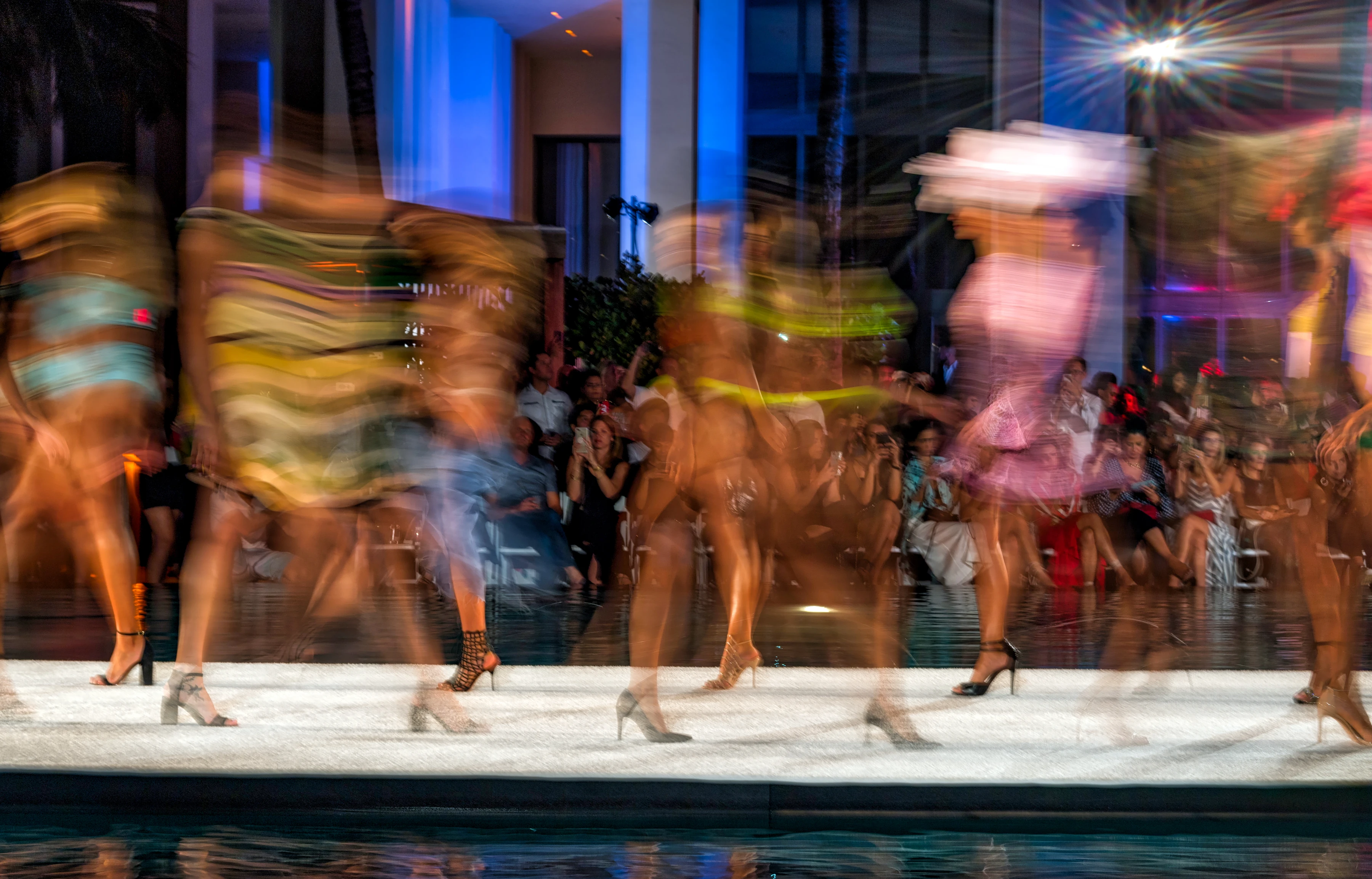
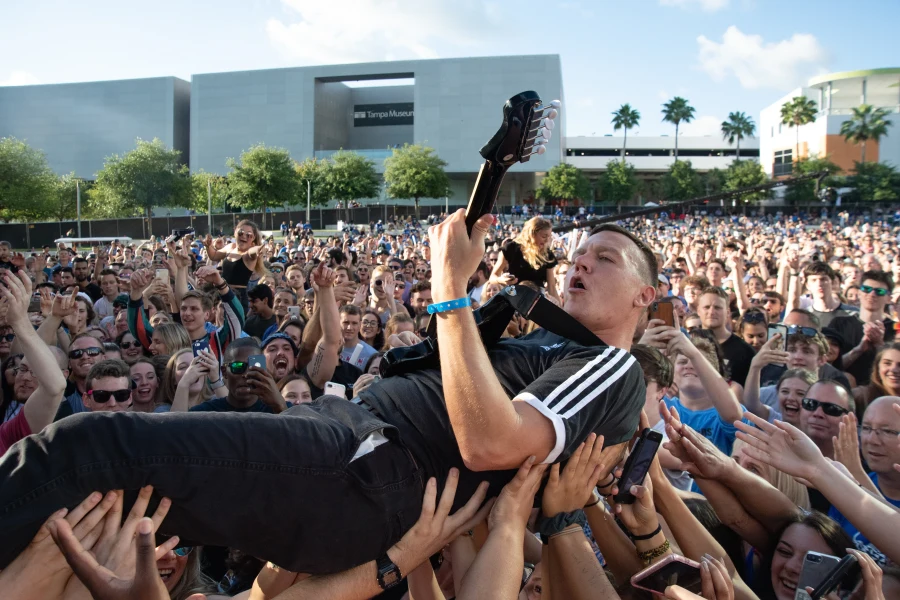
Movement is a big part of the work. Twirling fabric, a walk toward camera or a hair flip all need quick timing. Joe's experience photographing concerts and festival stages, including a guitarist crowd-surfing over a Tampa audience, sharpened that sense of timing. In fashion, it means catching the peak of a gesture instead of the awkward moment just after it.
Pacing matters too. Sessions include breaks to fix hair, change outfits and look at the screen together. You are never rushed into the next look before you are ready.
If you are new to modeling, that patience is especially valuable. The first twenty minutes are often about loosening up, finding angles that feel natural, and learning how small adjustments look on camera. By the second outfit most people are moving with much more confidence, and the strongest frames usually come from the later part of the session.
Coming to You: Fashion Shoots From Pasco to Sarasota
The phrase fashion photographer near me means something different in Tampa Bay than in a compact city. The region stretches from New Port Richey and Wesley Chapel in the north to Bradenton and Sarasota in the south, with Lakeland to the east and the Pinellas beach towns to the west. Joe works across all of it.
There are two ways to set up a session. You can come to Joe's studio in the Tampa Bay area, where backdrops, strobes and a changing space are ready. Or Joe brings lights to you, which is useful when a boutique wants images inside its own shop, or when a model in Clearwater or Palm Harbor would rather shoot at a favorite spot close to home. Location details for the studio are shared when you book.
Some areas suit particular looks. Downtown Sarasota and St. Armands Circle offer polished, resort-style streets, and the Sarasota photographer page covers that area. Lakeland's lakes and the Frank Lloyd Wright buildings at Florida Southern College give an architectural, mid-century feel. Dunedin and Safety Harbor have small, walkable downtowns with plenty of character.
If you are not sure where to start, the Tampa Bay photographer overview lists every area and service. Tell Joe your town and the look you want, and he will suggest a location that balances travel time against light and backdrop.
After You Find a Fashion Photographer Near Me: Editing and Delivery
Once the shoot wraps, Joe narrows the take to the strongest frames and retouches them by hand. In fashion and beauty, retouching is about polish, not plastic. Stray hairs, lint, temporary blemishes and distracting background elements are cleaned up, while skin keeps its natural texture. Agencies notice heavy smoothing immediately, and it can work against you.
Final images arrive in a private online gallery, sized for portfolio websites, social media and print, including comp card layouts. That means you can upload to an agency portal, post to Instagram and send files to a printer without resizing anything yourself. To see how Joe presents fashion work, follow him at @jsalephotography.
If you are comparing options for a fashion photographer near me, look at how each portfolio handles skin in close-up and how varied the lighting is. Range is one of the clearest signs that a photographer can adapt to you rather than repeating a single formula.
When you are ready to plan, send a text to 813-417-2626 with your goals, your town and any agency requirements, or go straight to the online booking page. If you also need a polished professional portrait for a bio, the headshot photographer near me guide explains how those sessions differ, and the Tampa fashion and model portfolio photographer page goes deeper into city locations.
Fashion Photographer Near Me: Frequently Asked Questions
How do I find a good fashion photographer near me?
Look for a portfolio with variety: studio, natural light and outdoor work, plus close-up beauty images that show real skin texture. Ask how the photographer directs posing and if you will see images during the shoot. Joe Sale works across Tampa Bay in his own studio and on location, and he shows you frames on screen as you go.
What should a beginner model bring to a portfolio shoot?
Bring three or four outfits on hangers, including one fitted neutral look for comp card basics. Add shoes, simple jewelry, a hairbrush and a touch-up kit. Arrive with clean, lightly moisturized skin and hair styled the way you normally wear it, unless a makeup artist is booked for the day.
What is the difference between a portfolio and a comp card?
A portfolio is your full collection of images showing range across looks and settings. A comp card is a condensed sheet, usually one headshot on the front and a few full-length and styled frames on the back with your measurements. Joe shoots with both formats in mind so the images work in each.
Can fashion shoots happen outdoors in Florida summer?
Yes, with smart timing. Early morning and the hour before sunset bring softer light and more comfortable air, while afternoon storms are common in summer. Joe plans outdoor fashion sets around those windows and keeps the studio as a backup so a session is not lost to weather.
Do you photograph clothing for boutiques and designers?
Joe photographs fashion on models for boutiques, designers and brands as part of his brand and commercial work, including lookbook style images and lifestyle shots in real locations. The planning call covers how the images will be used so lighting and styling match your website and social channels.
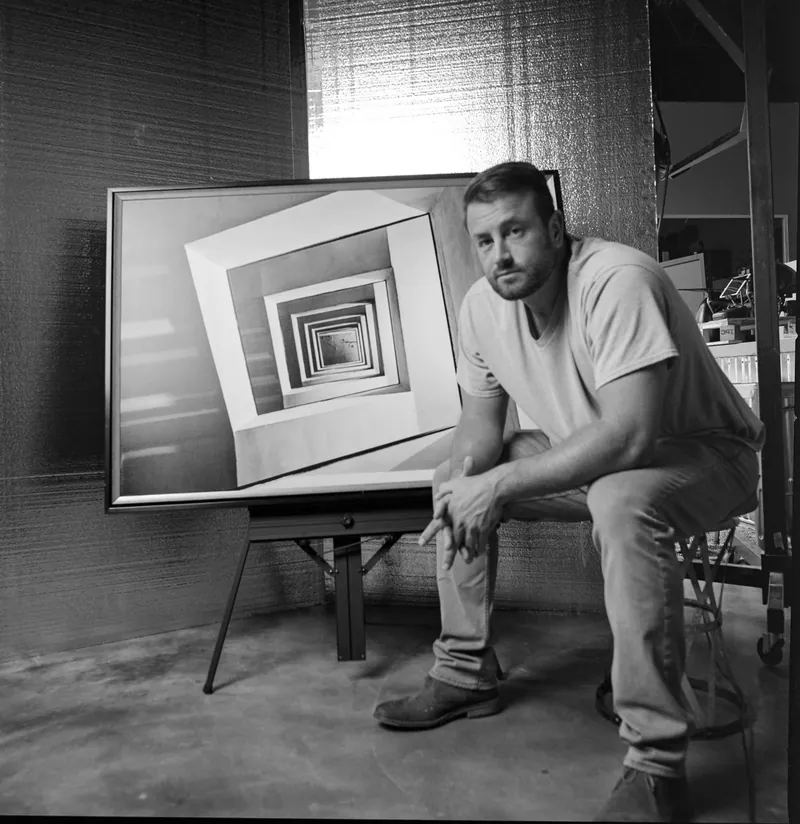
About Joe SaleJoe is a Tampa Bay photographer and fine artist who shoots portraits, live music, brands and the city itself. See more on the about page, browse the portfolio or book a shoot.