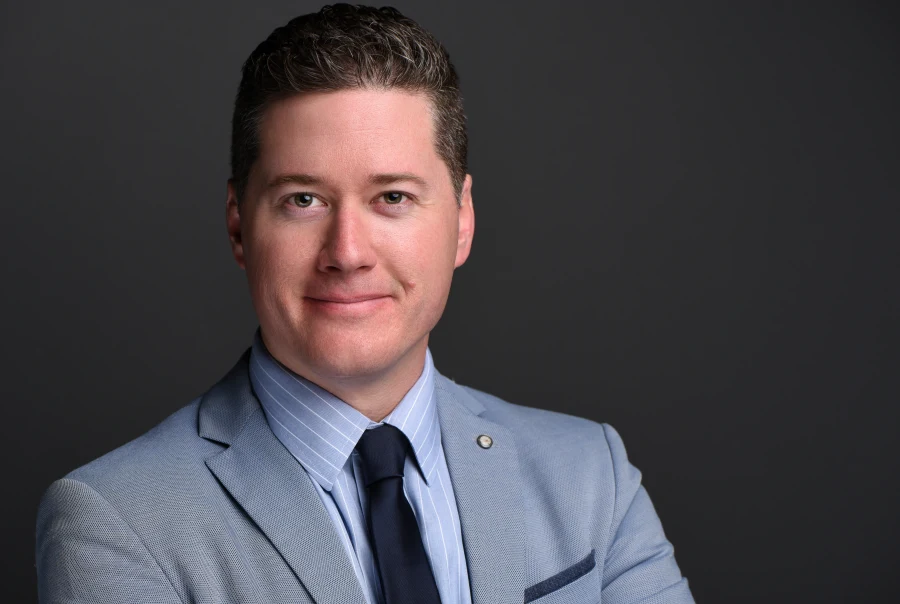
 By Joe Sale · Photographer & fine artist · Reviewed and updated October 2026
A photography studio Tampa Bay clients can book with Joe Sale exists for one reason: total control over light. Outside, the sun, clouds, humidity and afternoon storms all get a vote. Inside Joe's studio, every light is placed on purpose, every backdrop is chosen for you, and the result looks the same on a bright July morning or a gray January afternoon.
This page explains what happens in that room. You will see the lighting looks Joe builds, how studio work compares with shooting on location, who tends to book it, and how to prepare. The studio is Joe's own working space, used for the sessions he photographs, and you can reserve a session on the booking page whenever you are ready.
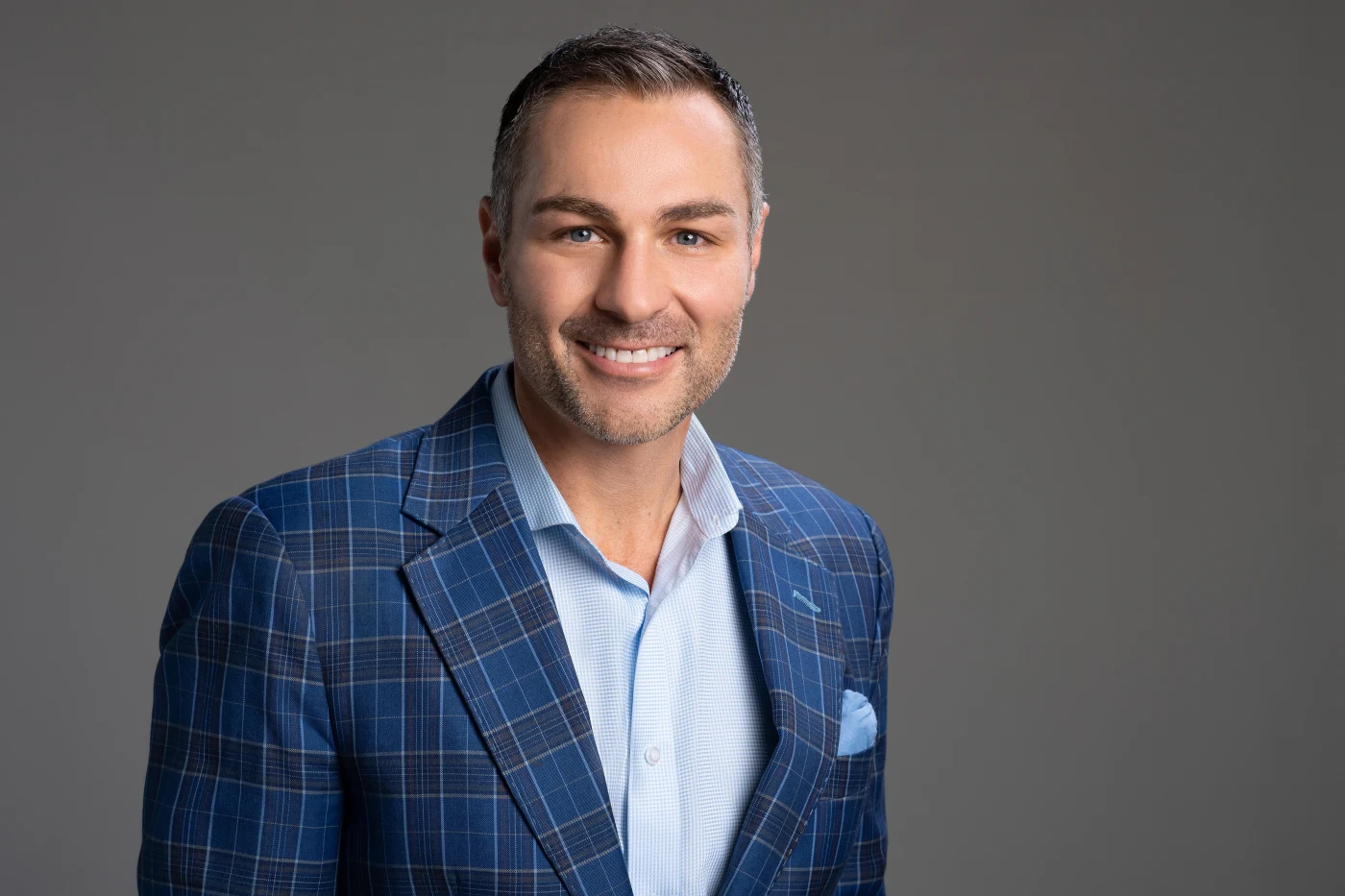
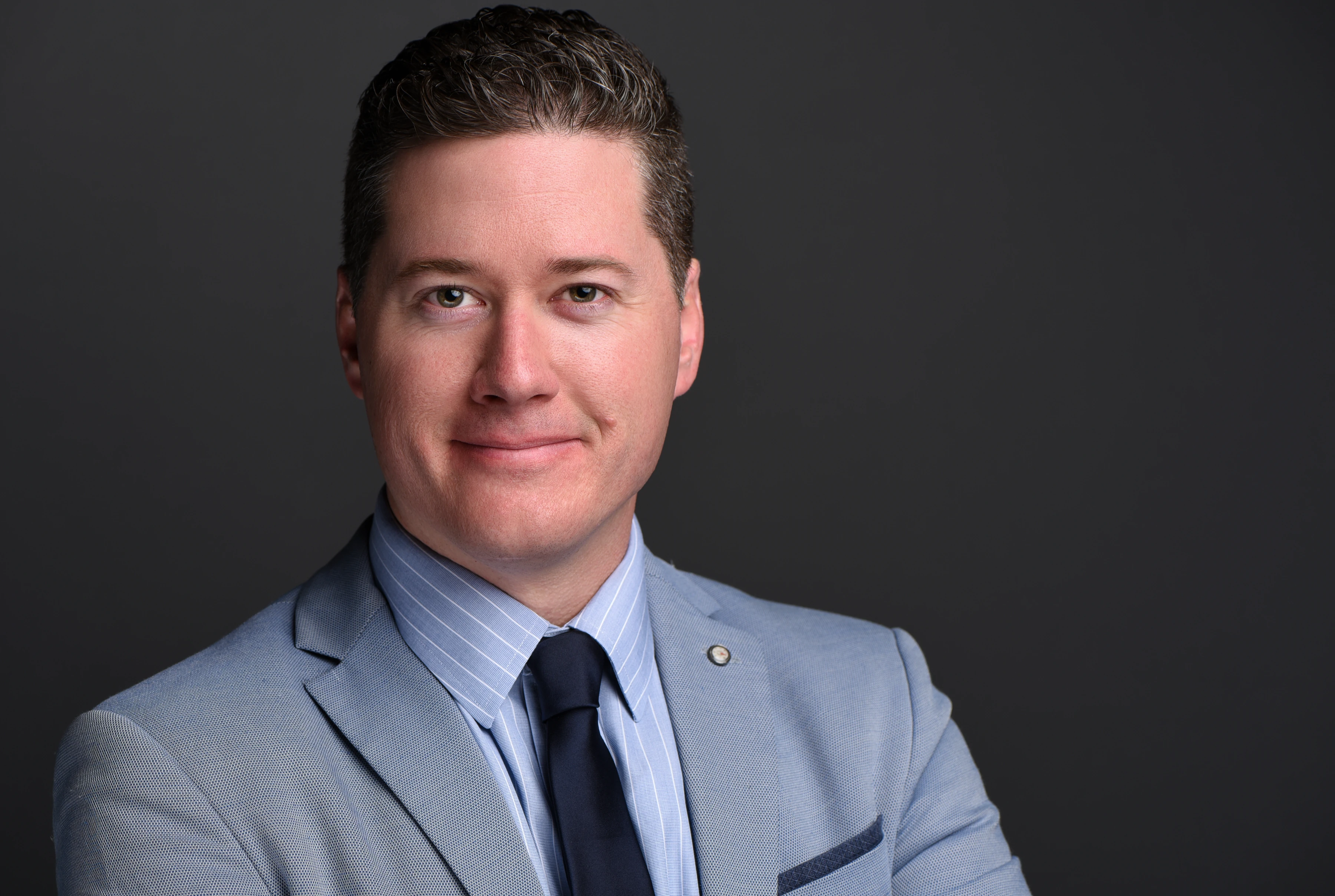
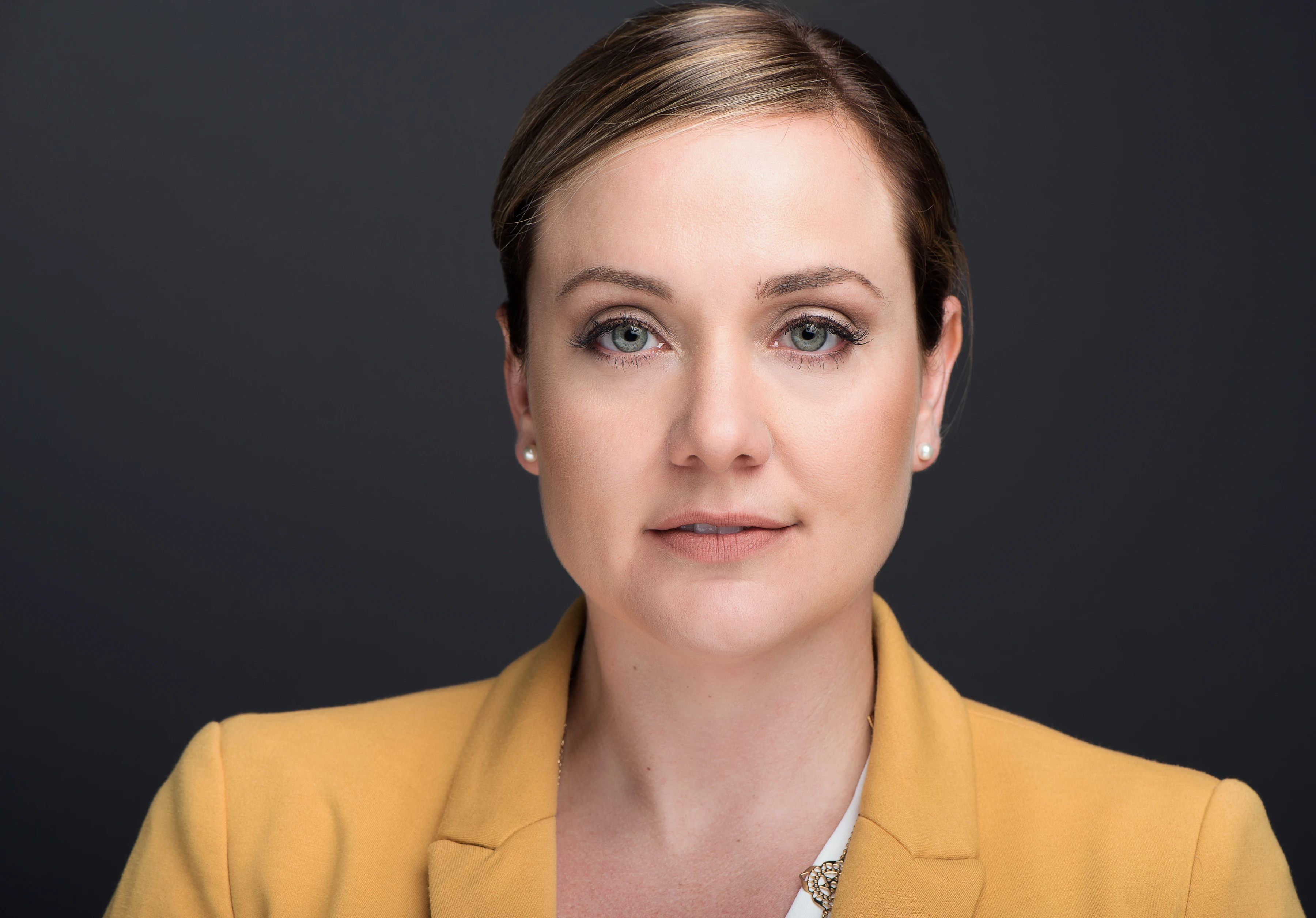
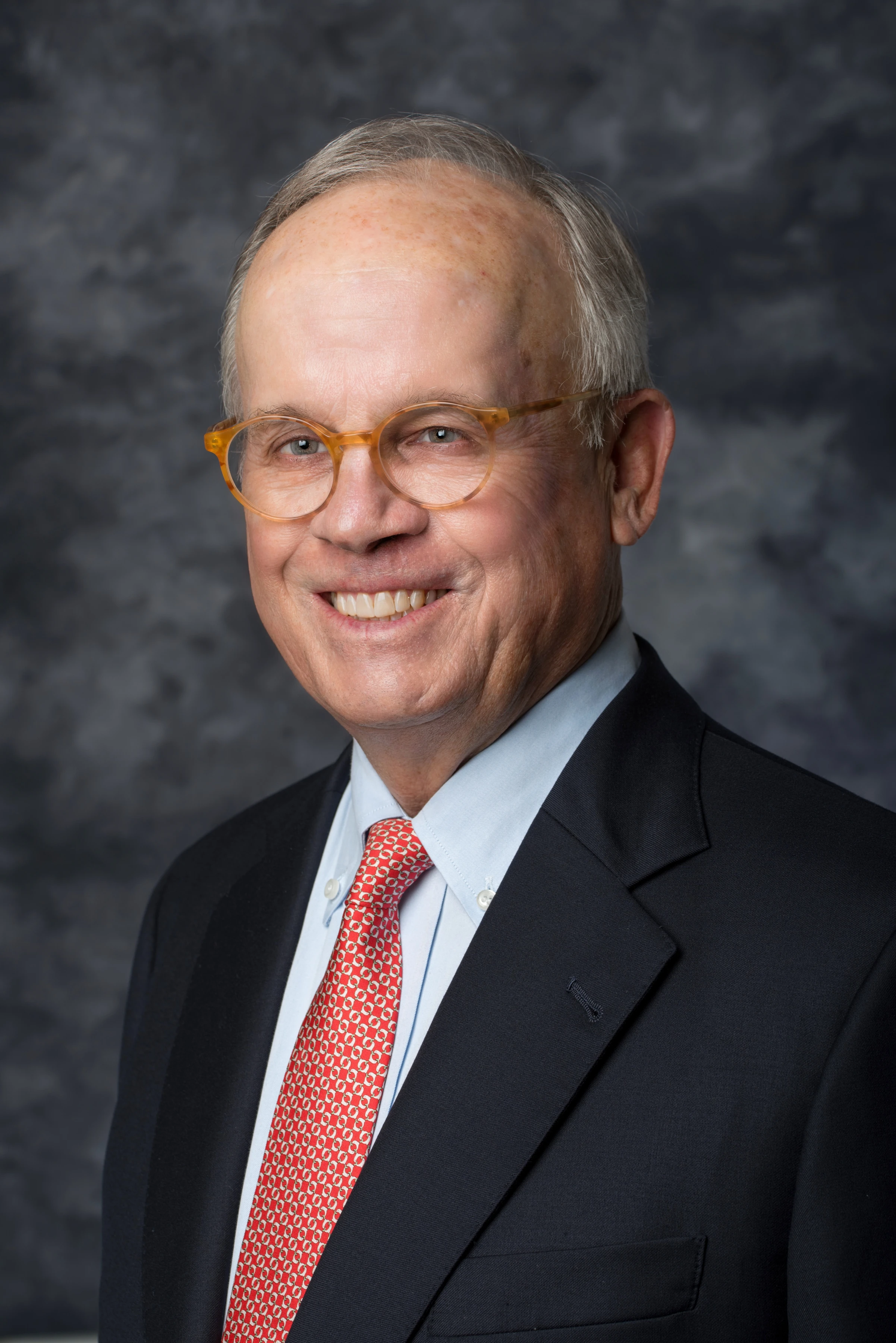
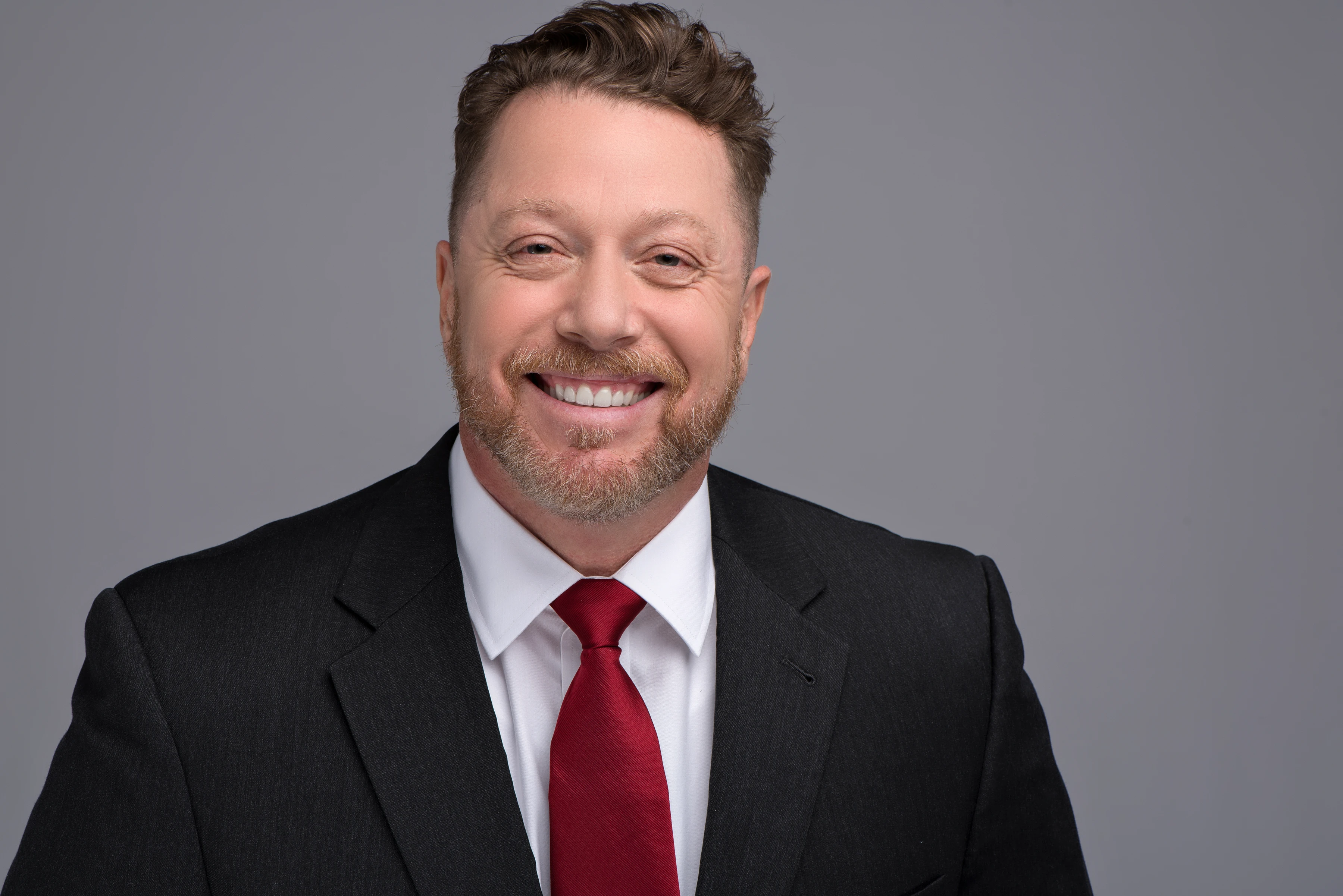
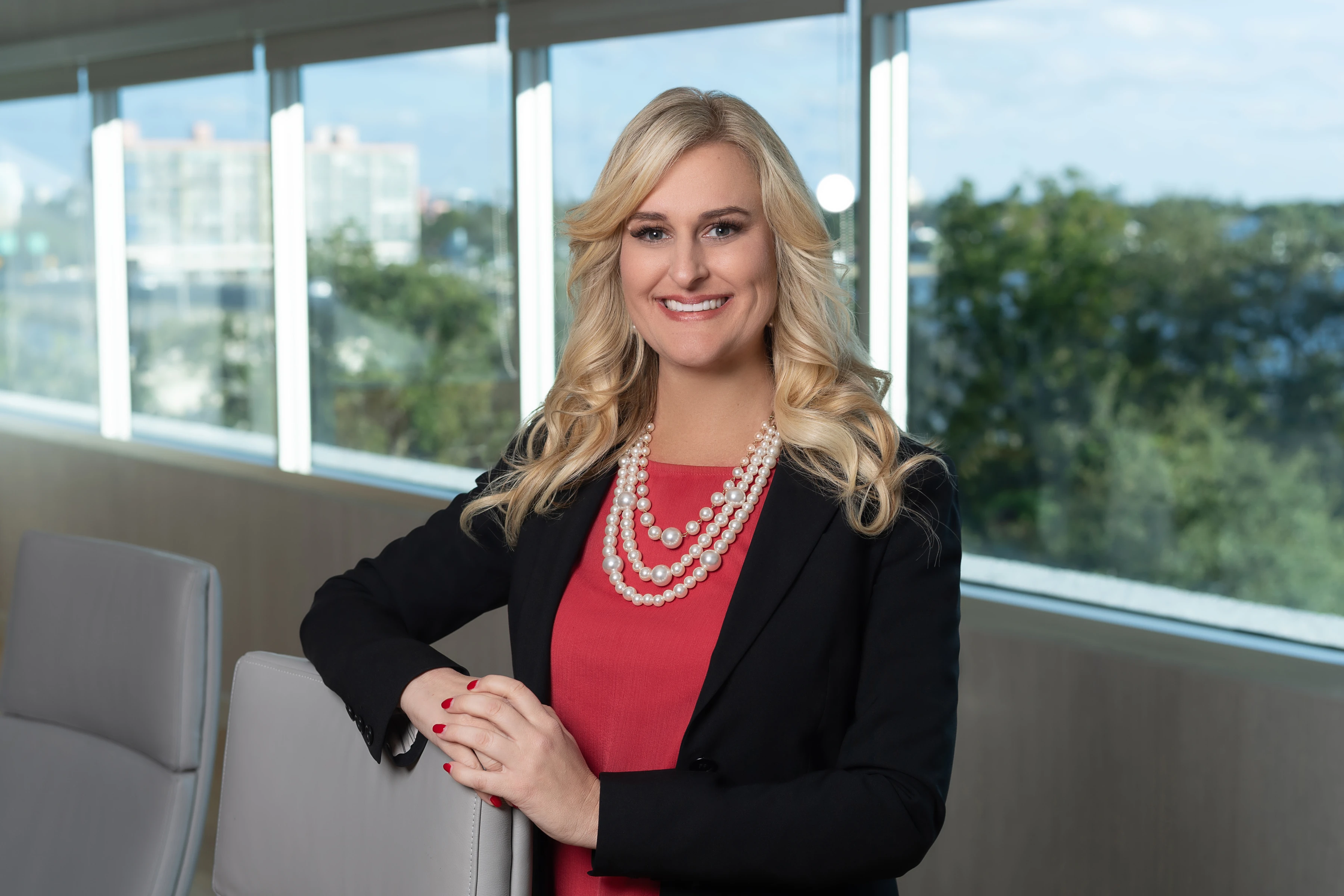
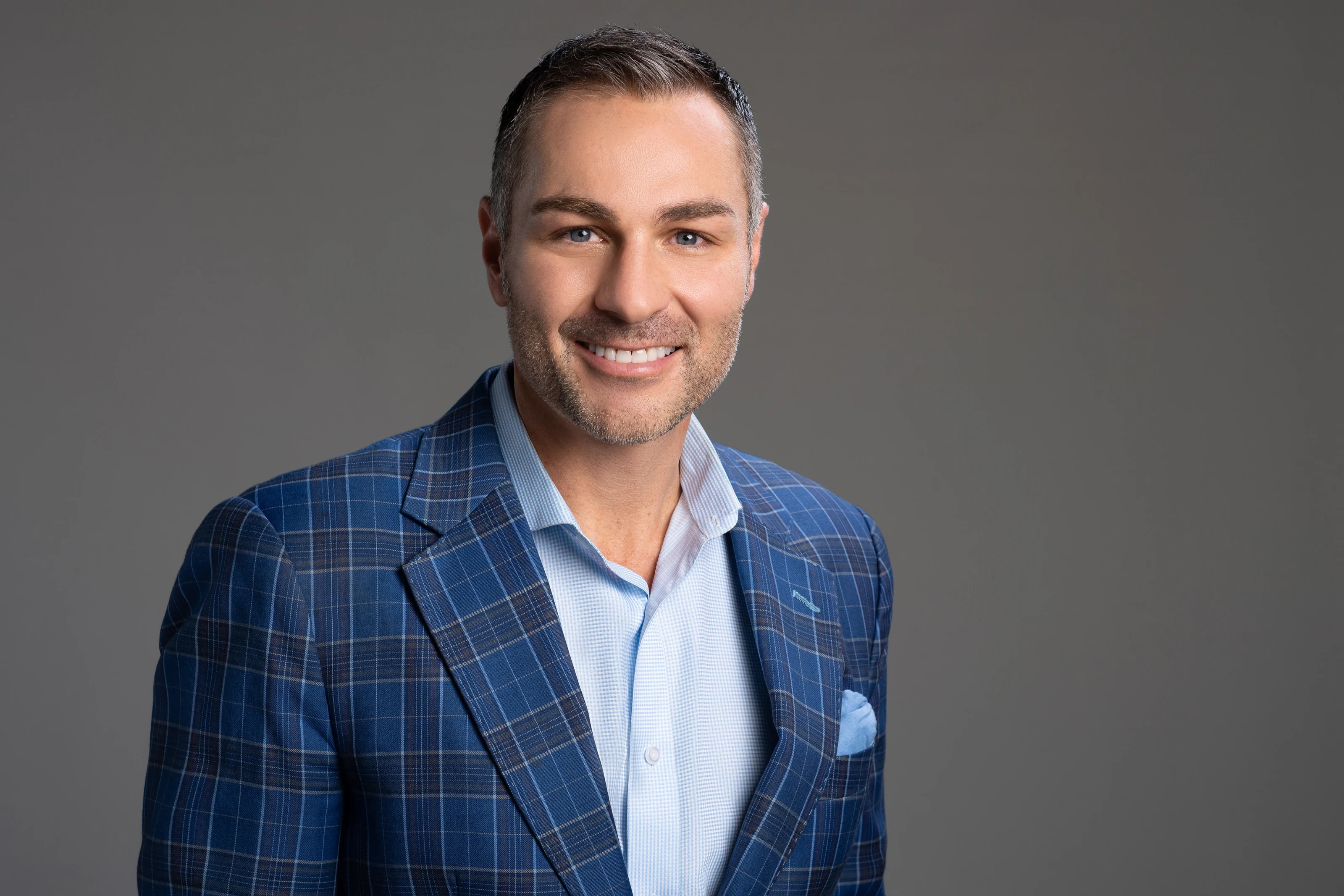
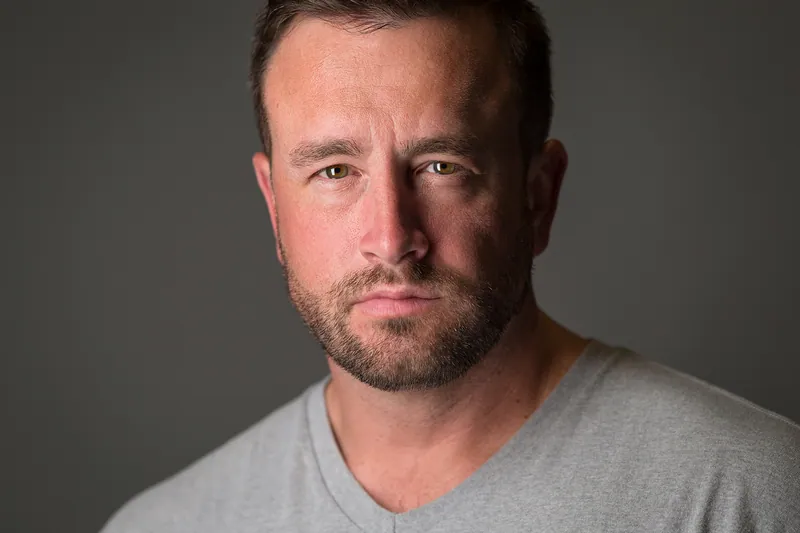
Joe Sale runs sessions inside his private Tampa Bay area studio, built around strobes, interchangeable backdrops and a screen that shows each frame instantly. It suits headshots and personal branding, fashion and beauty, model portfolios and comp cards, product images and portraits. A planning call opens every booking; a gallery of hand-finished images closes it.
Why Book a Photography Studio? Tampa Weather Is Only the Start
The obvious argument for a photography studio: Tampa weather. From late spring through early fall, storms can roll in within an hour of a clear sky, and humidity turns carefully styled hair into a project. Midday sun throws hard shadows under eyes and noses. A studio removes all of that from the equation.
The less obvious arguments matter just as much:
- Repeatability. A lighting setup can be recorded and rebuilt, so a headshot taken this spring can match one taken next year.
- Privacy. There are no passersby, which helps anyone who feels self-conscious in front of a camera.
- Precision. Fashion, beauty and product work depend on exact light angles and clean color that the outdoors rarely gives you on demand.
- Comfort. Air conditioning, a mirror and a place to change clothes make multi-look sessions realistic.
- Focus. With nothing competing for attention, the photo is about you, your expression and your product.
None of this means location work is worse. Joe shoots both, often for the same client. The studio simply wins whenever consistency and control matter more than scenery.
There is also a creative argument. Outdoors, a photographer works with the light that exists. In a studio, Joe builds it from nothing, one source at a time, which means the look can be designed around your face, your brand or your product instead of around the forecast. That is what a dedicated photography studio. Tampa clients who have tried both often describe the difference simply: outdoor sessions are a gamble on conditions, and studio sessions are a plan.
Six Lighting Looks Joe Builds in the Studio
A studio is not one look. The same room can produce a bright, friendly corporate portrait in the morning and a moody, sculpted beauty frame in the afternoon. These are six looks Joe can build, and the planning call is where you choose:
1. Clean and even
Broad, soft light that wraps the face and keeps shadows gentle. This is the workhorse for headshots and team portraits because it flatters nearly everyone and reproduces well at any size.
2. Shaped and sculpted
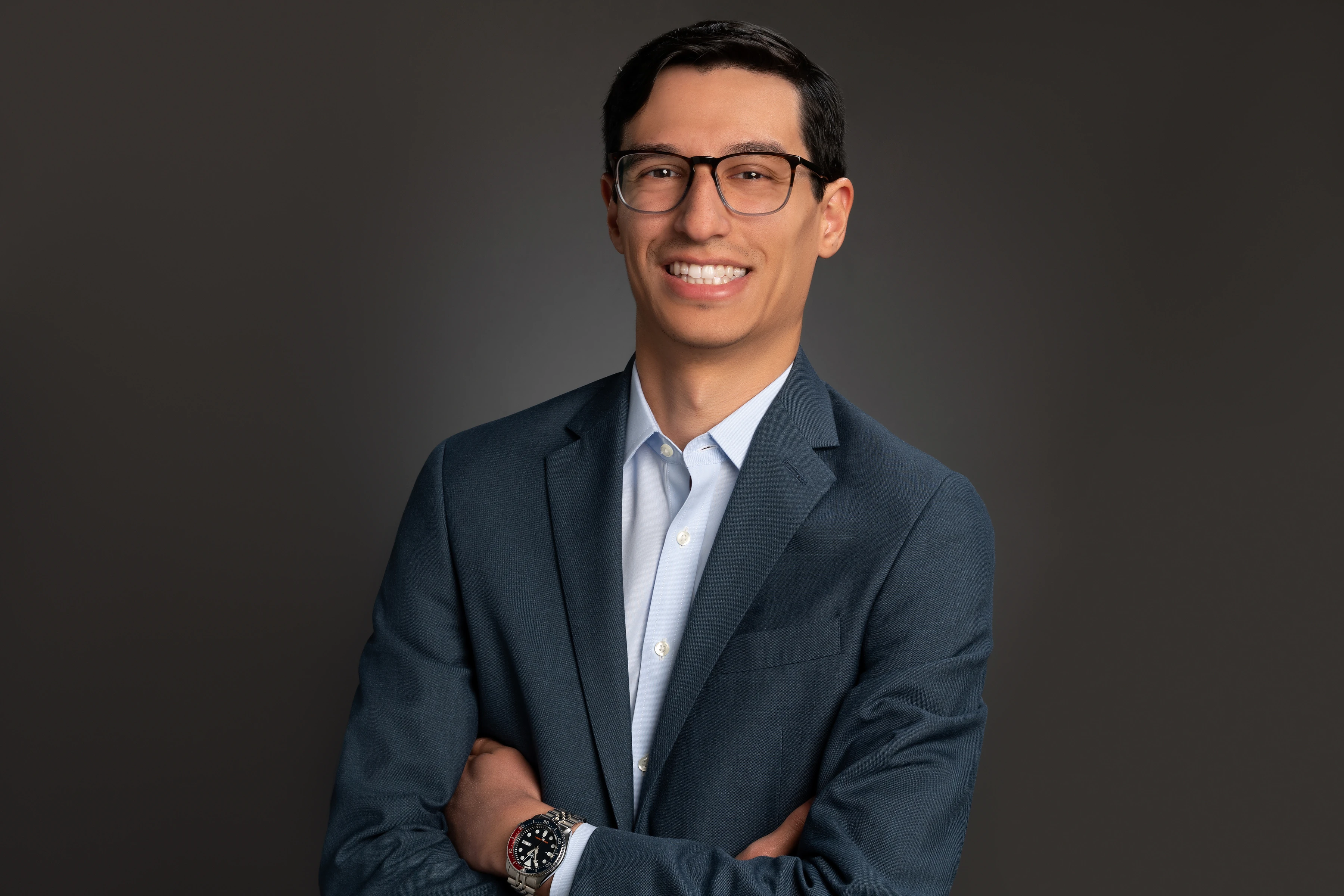
One side of the face falls into gentle shadow, adding depth to cheekbones and jawlines. Executives, authors and speakers often choose this for a more authoritative feel.
3. Bold studio color
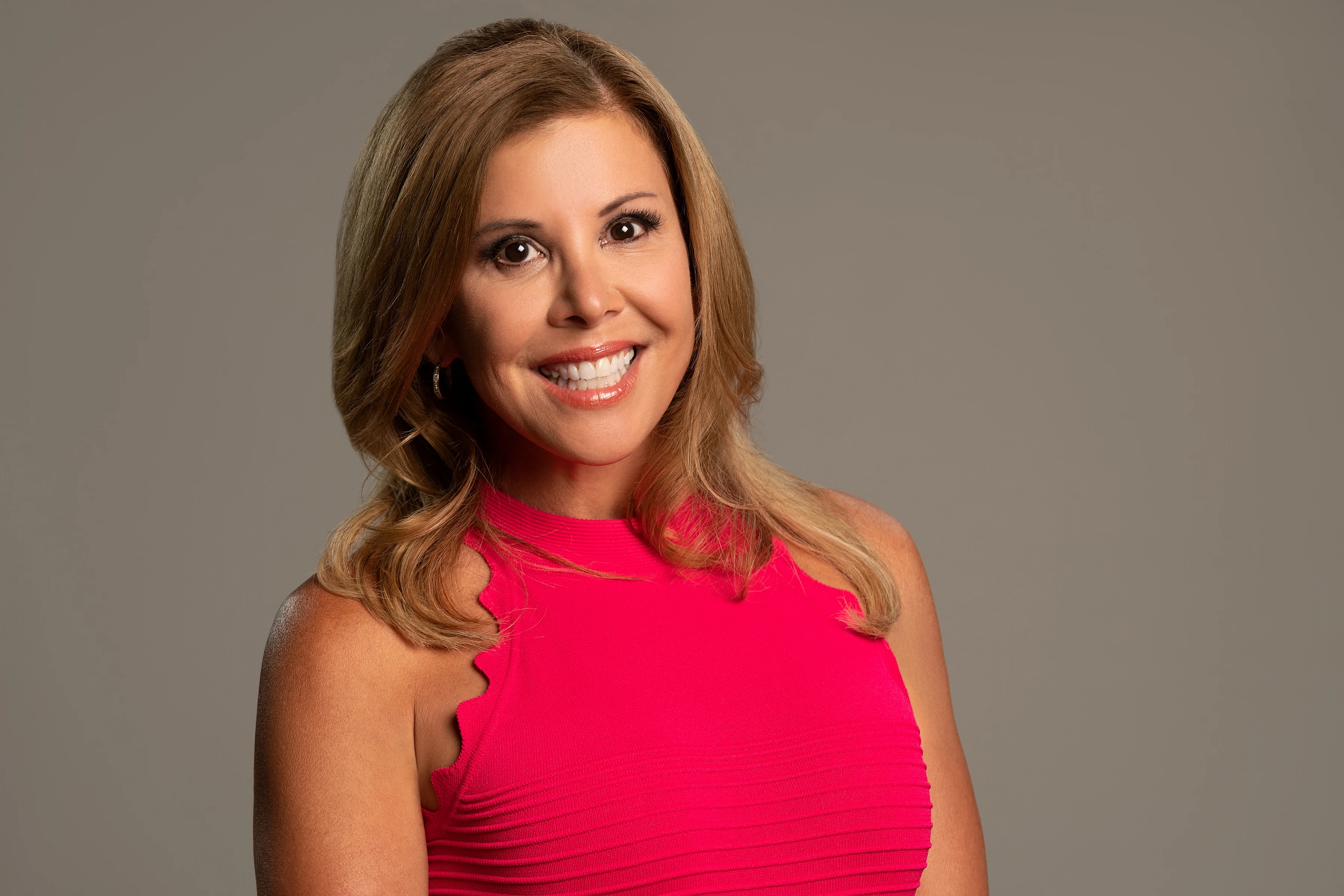
Colored backdrops or gelled light bring graphic energy to fashion and beauty work. Joe's fashion portfolio includes this kind of studio color, and it pairs well with strong makeup and simple wardrobe.
4. High key
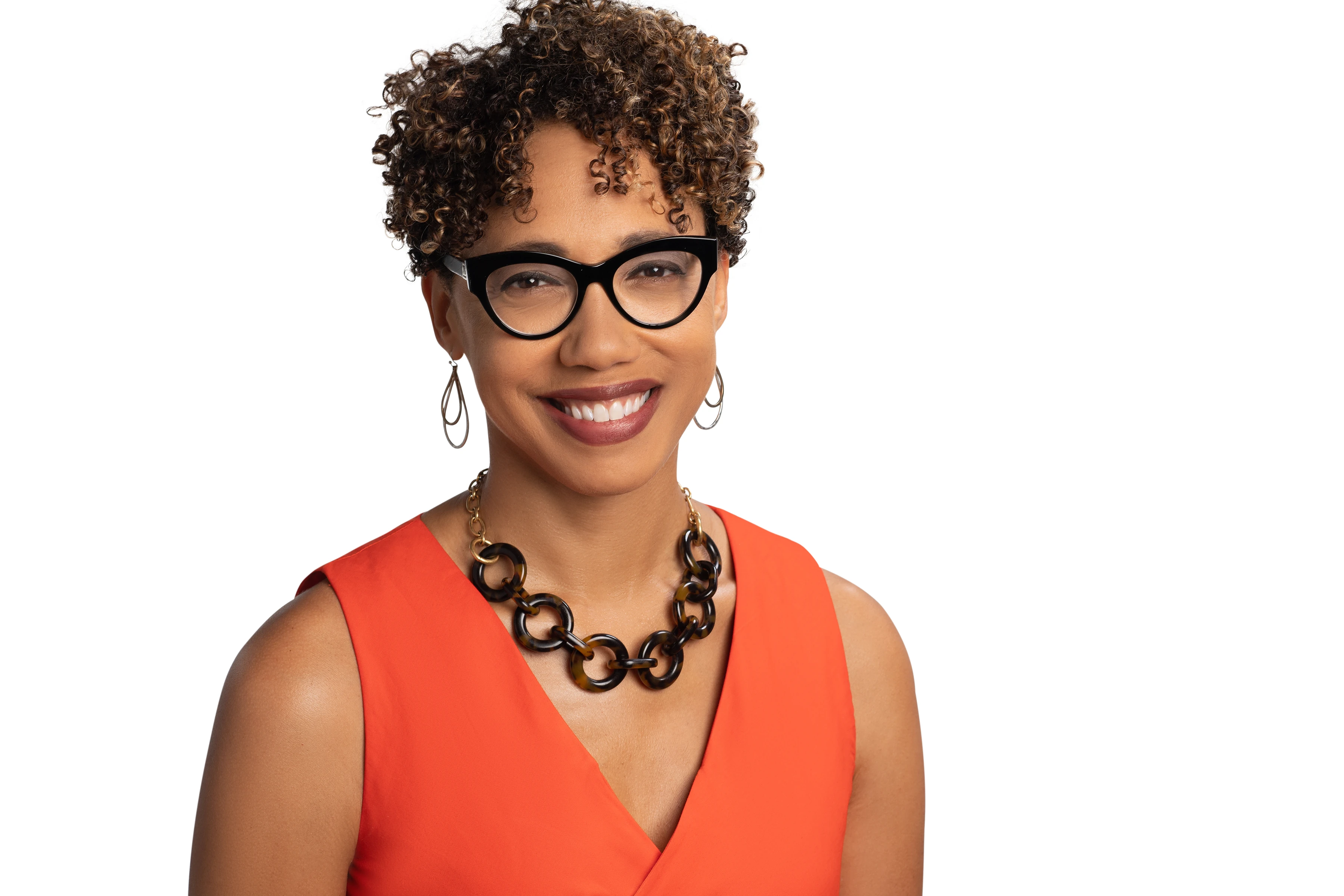
A bright, almost white background with lifted shadows. Clean and modern, it suits lifestyle brands, ecommerce and anyone who wants an airy feel.
5. Low key
Dark backgrounds and controlled pools of light create drama and focus attention on a face or an object. It works for musicians, artists and premium products.
6. Tabletop product light
Small, precise light sources reveal texture, shape and reflections on products, food and packaging, without the color casts that kitchen or window light can add.
Mixing looks in one session
Because the lights move quickly, one session can include two or three of these looks. A common combination is clean and even for a company website, shaped and sculpted for speaking engagements, and one bolder frame for social media. Planning the order matters: Joe usually starts with the simplest setup so you warm up, then moves toward the more dramatic looks once you are comfortable. In a photography studio, Tampa clients get that range without changing locations or waiting on the sun.
Studio or Location: An Honest Side-by-Side
Choosing between the two is easier when you see the tradeoffs in one place. This is how Joe explains it to clients who are on the fence:
| Factor | In the studio | On location |
|---|---|---|
| Light | Fully controlled, identical frame to frame | Changes with sun, clouds and time of day |
| Weather | Irrelevant | Summer storms and heat shape the schedule |
| Background | Seamless, colored or minimal | Real places that add story and context |
| Wardrobe changes | Easy and private | Limited by where you can change |
| Best for | Headshots, beauty, comp cards, products | Families, couples, brands that need a sense of place |
| Consistency over time | Excellent, setups can be rebuilt | Harder to repeat exactly |
Many clients combine both. A personal brand session might start in the studio for clean headshots, then move outdoors for lifestyle frames in the city. When the location is the point of the photo, Joe's pages on downtown Tampa and Riverwalk shoots cover that side of the work.
A useful rule of thumb: if someone looking at the photo should notice where it was taken, go on location. If they should notice only the person or the product, choose the studio. Most headshots, comp cards and catalog images fall firmly in the second group, which is why so many of them are made in a photography studio. Tampa scenery is beautiful, but it is not always the message.
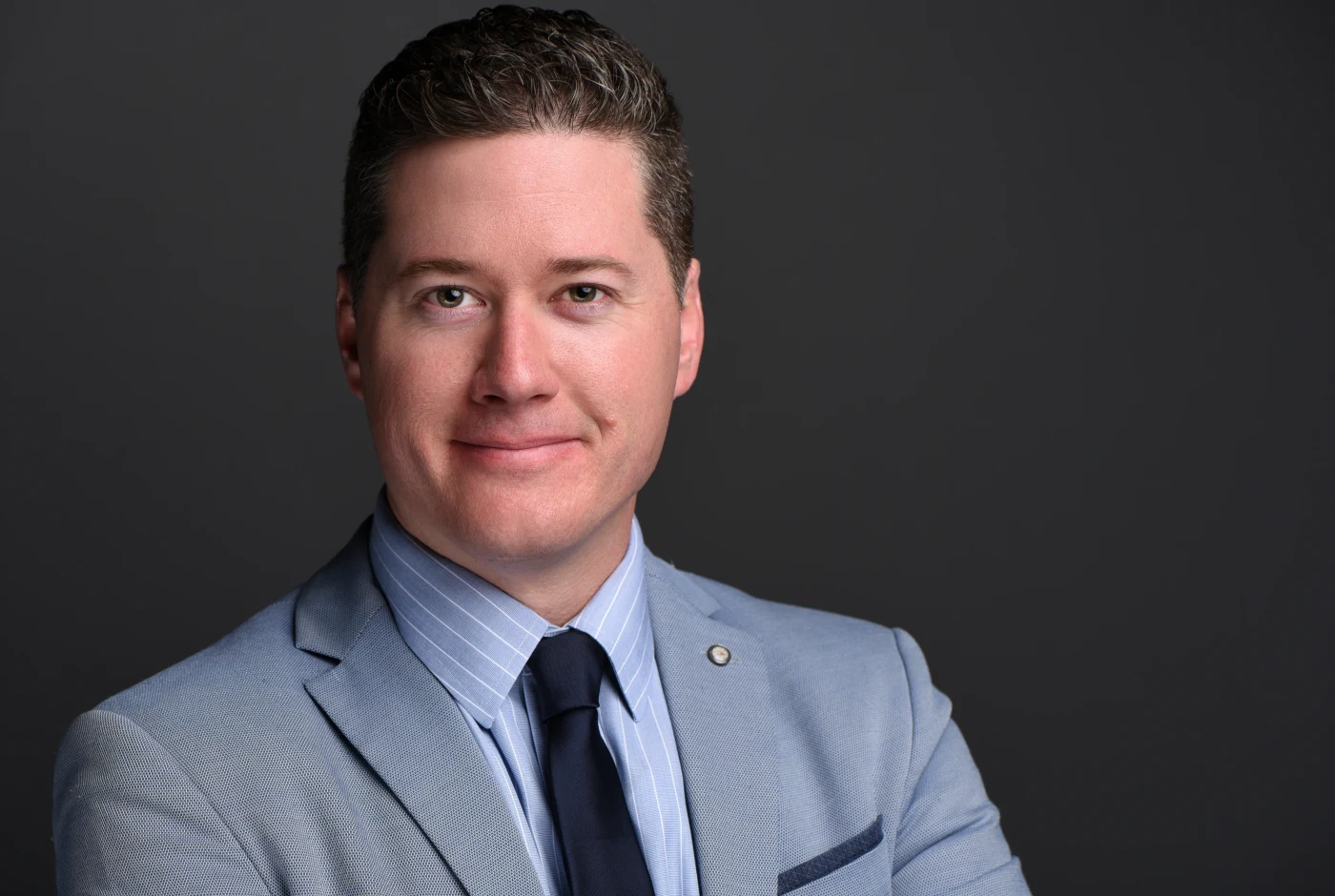
From Arrival to Gallery: How a Studio Session Unfolds
Knowing what to expect takes the nerves out of a first studio visit. Here is the sequence most sessions follow:
- Planning call. You and Joe agree on the purpose of the images, the look, the number of outfits and any references you like.
- Wardrobe guidance. Joe suggests colors and pieces that suit the chosen backdrop and lighting.
- Arrival and setup check. Lights are already placed when you walk in; Joe takes a few test frames to fine-tune for your skin tone and outfit.
- Shooting with live review. A monitor beside the camera lets you judge every frame alongside Joe and fine-tune as you go.
- Look changes. If you booked more than one look, lights and backdrops change while you change clothes.
- Hand retouching. Selected images are refined by hand, keeping natural skin texture.
- Private gallery delivery. Finished files are sized for web, social and print.
The live review step surprises people most. Watching the pictures build turns a nervous client into a collaborator, usually right after the first frame they genuinely like.
First-timers often worry that they will not know how to pose. You do not need to. Joe directs in small, specific steps, turn a shoulder, lift the chin a touch, breathe out before the frame, and the screen shows instantly whether it worked. By the second outfit most people are suggesting ideas of their own, which is exactly when the most natural frames happen inside a photography studio. Tampa professionals who arrive dreading the camera frequently leave asking about a second look.
Good local references while you plan: the City of Tampa website covers parks, public spaces and event calendars in Tampa, and Joe watches the National Weather Service Tampa Bay forecast to time outdoor sessions around summer storms and the best light.
Who Uses This Photography Studio: Tampa Professionals, Models and Brands
The people who book studio time with Joe fall into a few groups, and each has its own service page if you want more detail.
Professionals and executives
Attorneys, consultants, realtors, physicians and founders come in for headshots and personal branding. Some are updating a single profile; others want a full set of looks for a website and speaking kit. Companies wanting a matched set for a whole staff should read about on-site team headshots for Tampa offices, where this lighting travels to them.
Models, actors and creatives
Comp cards and portfolios demand clean, accurate images that show what a person really looks like, plus a few frames with personality. Of the three moods in Joe's fashion, beauty and model portfolio work (saturated studio color, gritty industrial window light, golden hour), the first is available here no matter the weather.
Brands and small businesses
Products, packaging and food benefit from controlled tabletop light. Joe's brand and commercial photography covers restaurants, hospitality, products and campaigns, and studio sessions handle anything small enough to carry in.
Couples and individuals
Not every studio portrait is for business. Couples and individuals sometimes want a timeless studio portrait for their home, and the same lighting craft applies. A simple, well-lit portrait on a neutral backdrop has a way of outlasting trends, which is why it still looks right framed on a wall years later.
The Gear Behind a Photography Studio Tampa Sessions Rely On
Equipment never makes the photo, but it does set limits on what is possible. Inside the studio, Joe shoots Nikon D5, D6 and D750 bodies and picks each lens for the way it draws a face.
- 85mm f/1.4: the classic headshot focal length, keeping features in natural proportion.
- 105mm f/2.8: slightly tighter, ideal for beauty close-ups and product detail.
- 58mm f/1.4: a gentler perspective for half-length and full-length portraits.
- 70-200mm f/2.8: for full-length fashion frames where compression flatters the figure.
A typical strobe exposure here lands near f/9, 1/125s and ISO 100. Those numbers keep every feature crisp, removes any influence from room lighting, and gives clean, noise-free files that survive heavy cropping or large prints.
The camera feeds a screen for live review, so you see the same image Joe sees. That loop between camera, screen and conversation is the real advantage of a photography studio. Tampa clients who have only been photographed with phones are often surprised how much better they look when light is placed deliberately.
What happens to the files afterward
Clean studio files make retouching more about refinement than rescue. Joe retouches by hand, softening blemishes and stray hairs while keeping pores and natural skin texture, so you look like yourself on a good day rather than a filtered version. Your gallery link holds files already exported in web, social and print sizes, so nothing needs resizing before launch. That finish is the last step of any session in Joe's photography studio. Tampa teams can hand the files straight to a web designer.
How to Prepare for a Studio Session
Preparation makes the difference between a good studio session and a great one. Joe sends wardrobe and styling guidance after the planning call; these general tips apply to almost everyone:
- Bring options. Two or three tops or outfits let Joe match clothing to the backdrop and light.
- Favor solid colors. Busy patterns compete with your face and can shimmer on screens.
- Press everything. Wrinkles show clearly under strobes; bring clothes on hangers.
- Keep makeup natural for headshots. Beauty and fashion sessions can go bolder by design.
- For products, bring spares. Clean, unblemished samples save retouching time and look better.
- Bring references. A few images you like, from anywhere, help Joe understand your taste quickly.
Models building a comp card should bring the outfits their agency or the brief calls for, plus simple fitted basics. Business clients should match the dress code they actually work in, so the image looks like the person a client will meet.
Accessories deserve a moment of thought as well. Simple jewelry, a favorite watch or a signature pair of glasses can add personality, while anything that dangles, jingles or catches light will pull the eye away from your face. When in doubt, bring it in a pocket and decide with Joe after a few test frames on the monitor.
The day before
Get a good night's sleep, drink plenty of water, and avoid trying a brand-new skincare product or haircut right before the session. Give yourself a buffer on arrival to cool down from the parking lot, steam out a collar and glance in the mirror. Small habits like these show up in your eyes and skin far more than people expect, and they make retouching lighter.
Planning Your Visit and Booking Studio Time
Studio days and location days share Joe's calendar. The studio is where he photographs his own clients; location details are shared as you plan your session with him. If getting to the studio is difficult for a team, the portable setup can come to you instead.
Studio sessions are a natural fit for anyone browsing the broader photographer in Tampa services who wants reliable results regardless of weather. For a closer look at individual portrait sessions, the Tampa headshot photographer page goes deeper, and the fashion and model portfolio photographer in Tampa page covers comp cards in more detail.
Studio sessions also pair well with Joe's location work. A brand might start with product images in the photography studio. Tampa restaurant or storefront scenes can follow on another day, with color and light kept consistent across both so the full set feels like one campaign rather than two separate shoots.
Hold your studio date on the reservation page, or phone or text 813-417-2626 to talk looks first. A short conversation is usually enough to decide which of the six lighting looks suits you and how many outfits to bring.
Photography Studio Tampa: Frequently Asked Questions
Is a studio better than outdoor photos for headshots?
For most professional headshots, yes. A studio gives consistent, flattering light that does not depend on weather or time of day, and it keeps backgrounds clean for websites and profiles. Outdoor headshots can feel more relaxed and personal, so some clients book both. Joe can help you decide on the planning call based on where the images will be used.
What should I wear to a studio photo session?
Solid colors in mid or deep tones work well for most people, and fitted clothing photographs better than loose or oversized pieces. Bring two or three options on hangers so Joe can match them to the backdrop. Avoid fine stripes and busy patterns. For fashion or beauty sessions, follow the brief or your agency's guidance and bring simple basics as backup.
Can I see my photos during the studio session?
Yes. A tethered monitor displays each shot moments after the shutter fires, so feedback happens live. Live review helps you relax, makes it easy to adjust posture or expression, and lets you point out favorites before you leave. Final selections are then hand retouched and delivered through a private online gallery.
Can products be photographed in Joe's studio?
Yes. Small products, packaging and food can be photographed with controlled tabletop light that shows texture, shape and true color. Bring clean, unmarked samples and any props you want included. Larger items or work that needs a real setting, such as a restaurant interior, are usually better photographed on location as part of Joe's brand and commercial work.
Where is Joe Sale's photography studio located?
It sits within the Tampa Bay area; directions come during session planning rather than on the website. Offices that cannot send staff out can have a mobile version of the lighting and preview screen delivered to them instead. Questions about the visit? Text or ring 813-417-2626.
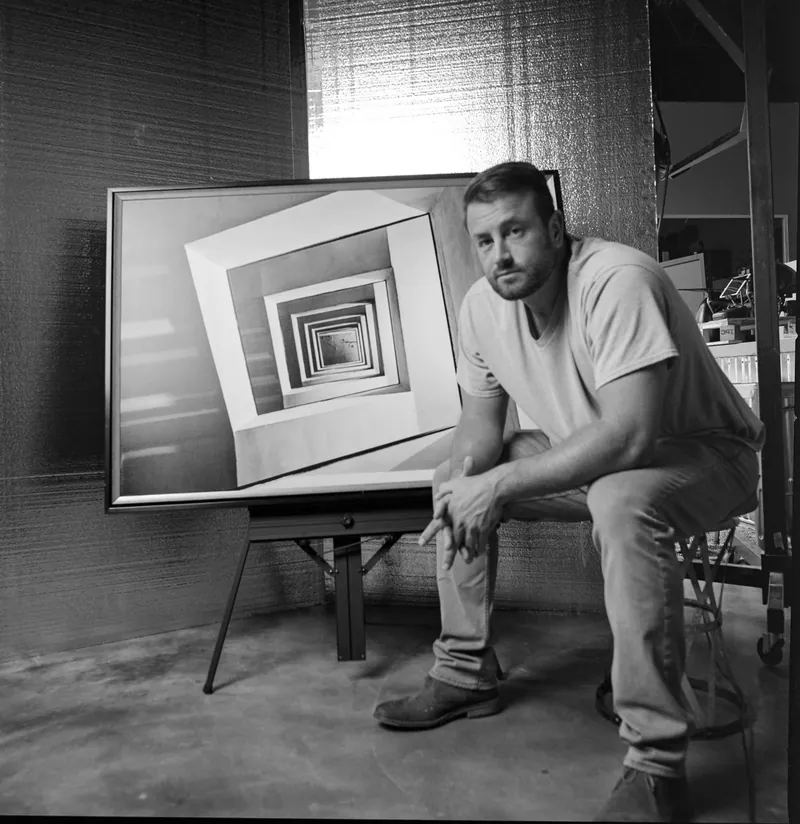
About Joe SaleJoe is a Tampa Bay photographer and fine artist who shoots portraits, live music, brands and the city itself. See more on the about page, browse the portfolio or book a shoot.